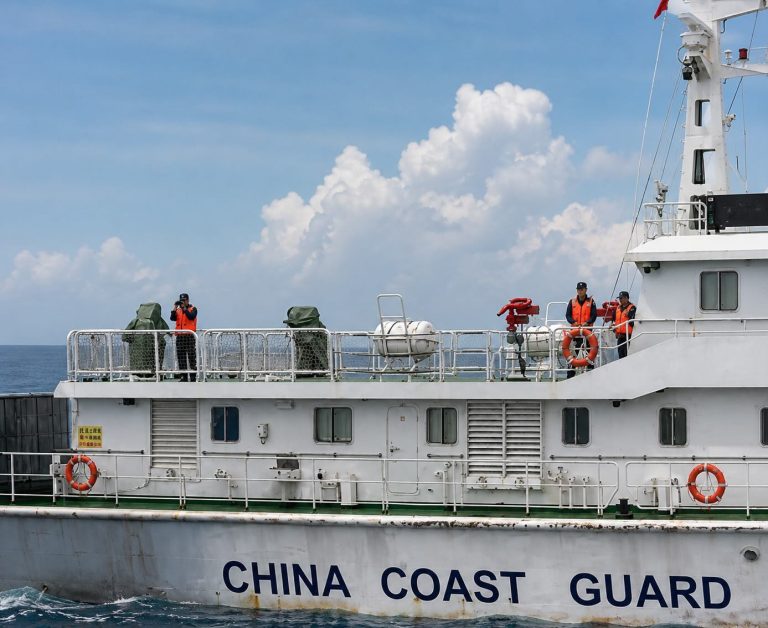
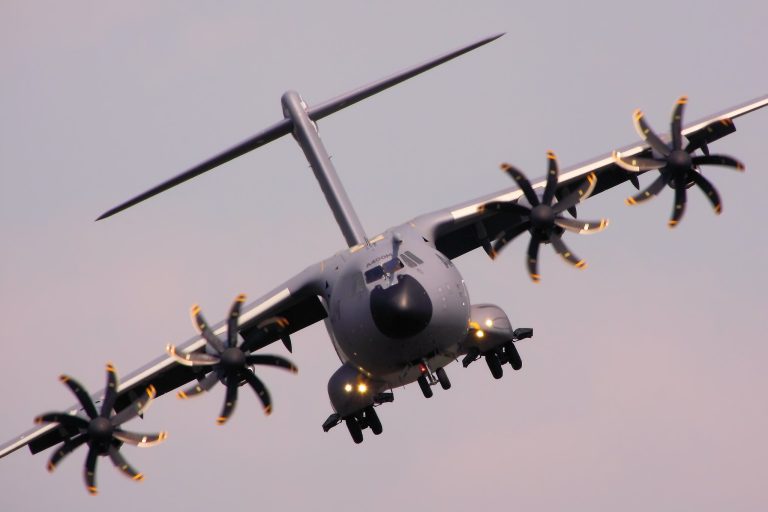
The confrontations — reportedly part of a larger set of Chinese naval exercises — mark the most serious military run-ins between Tokyo and Beijing in recent years.
According to a statement by Japan’s Defence Minister Shinjiro Koizumi, the radar illuminations occurred over international waters on Saturday. Two separate “locks” were recorded: one lasting approximately three minutes in the late afternoon, and another of about 30 minutes in the evening. In both instances, the Chinese jets — identified as J-15 carriers launched from the PLAN’s Liaoning aircraft carrier — made what Tokyo described as “unnecessary” radar contact with JASDF F-15 fighters scrambled in response to the Chinese vessel’s manoeuvres.
“These radar illuminations went beyond what is necessary for the safe flight of aircraft,” Koizumi said on X (formerly Twitter). He characterised the episodes as “deeply regrettable” and warned they amounted to a direct threat to flight safety. In view of the incidents, Tokyo lodged a “strong protest” with Beijing, demanding urgent measures to prevent recurrence.
Beijing, however, rejected the accusation. A PLAN spokesperson, identified by Chinese sources as Colonel Wang Xuemeng, insisted Japanese aircraft had repeatedly approached and disrupted the planned carrier-based flight drills east of the Miyako Strait. He condemned Tokyo’s version of events as a “misleading smear,” urged restraint, and said the Chinese Navy would act to safeguard its security under international law.
The flashpoint comes at a particularly fraught moment in China–Japan relations. Only last month, Japan’s Prime Minister Sanae Takaichi warned that a Chinese attack on Taiwan could pose an “existential threat” to Japan — remarks that drew strong condemnation from Beijing and prompted diplomatic backlash.
Observers note that, geographically, the exercises occurred in waters adjacent to Japanese territory and not far from Taiwan — adding to the strategic sensitivity. Tokyo hosts the largest overseas contingent of U.S. military forces, concentrated in Okinawa, and Washington’s interest in regional order remains high. Nevertheless, there has been no official U.S. government response so far, though the American ambassador in Japan has signalled support.
While no damage or injuries were reported from Saturday’s events, the incidents carry symbolic weight: a radar lock is among the most provocative acts militarily possible short of firing a missile. It effectively signals targeting and, whether or not weapons are employed, forces the radar-locked aircraft to take evasive or defensive measures. In Tokyo’s view, the move was not only reckless but part of a broader pattern of maritime and air pressure by China near Japan’s southwestern approaches.
For China, the routine carrier drills around the Miyako Strait are portrayed as lawful exercises — a necessary demonstration of naval mobility and force projection. According to the PLAN statement, Japan’s fighters had intruded into the zone, risking disruption of the mission and provoking Beijing.
Nevertheless, many regional analysts caution that whether perceived as routine or aggressive, such high-stakes manoeuvres risk compounding misjudgement or accidental escalation. With neither side showing signs of backing away, the risk of future confrontations — whether diplomatic or kinetic — appears to be growing.
In Tokyo, the Ministry of Defence says it will continue to monitor Chinese movements and “respond resolutely and calmly” in defence of Japan’s national security and interests. In Beijing, the refrain remains steadfast: Chinese naval activity is lawful and justified — and Japan’s narrative, according to Chinese authorities, is once again a distortion of fact.
As this dangerous game of radar trails and maritime shadowing plays out, the stakes for regional stability could scarcely be higher. The skies above Okinawa — and the seas beyond — are fast becoming a proving ground for power projection, deterrence and the shifting balance in East Asia.
Main Image: By N509FZ – Own work, CC BY-SA 4.0, https://commons.wikimedia.org/w/index.php?curid=122396445
Japan Is Right to Prepare for Military Action if China Strikes Taiwan