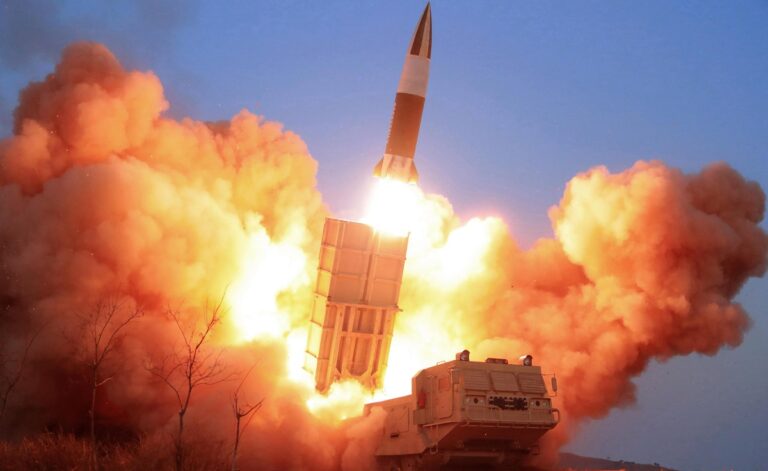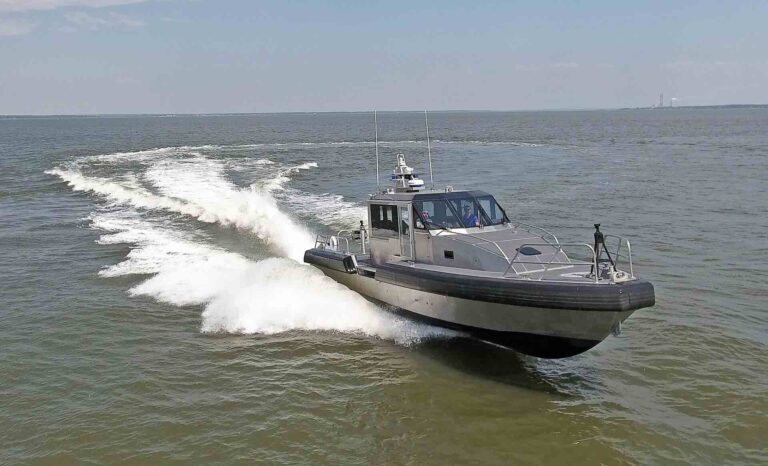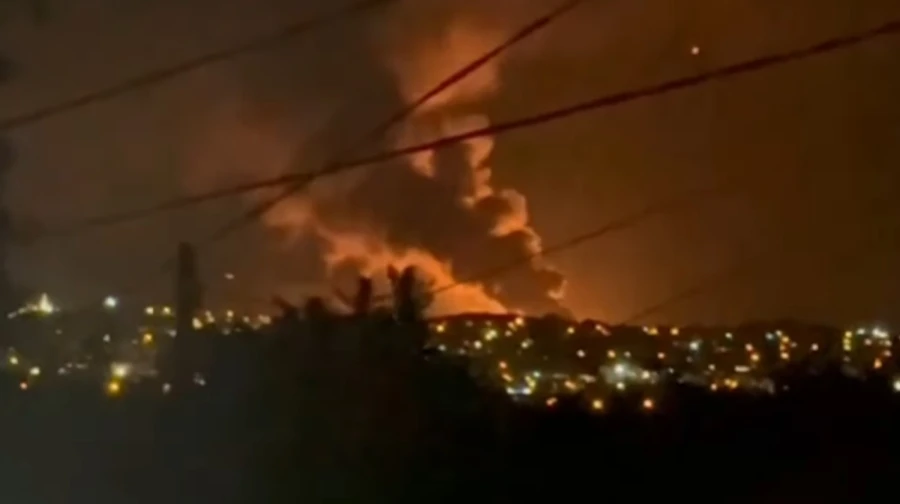
Ukraine has claimed a co-ordinated strike on Russian oil, logistics and air-defence targets on both sides of the Crimean Bridge, in an operation that appears designed to increase pressure on Moscow’s supply routes to the occupied peninsula.
President Volodymyr Zelenskyy said Ukrainian forces had hit targets in Russia’s Krasnodar region and in occupied Kerch during overnight long-range strikes. According to the Ukrainian president, the operation targeted military logistics, the oil sector and Russian air-defence systems.
The statement, reported by Ukrainska Pravda, said facilities had been struck “on both sides of the Crimean Bridge”, including maritime logistics used for oil transport in the Krasnodar region and an oil depot in temporarily occupied Kerch.
Zelenskyy also said four radar stations belonging to S-400 air-defence systems and two Pantsir systems had been hit. The claim, if confirmed, would indicate that the operation was not limited to fuel infrastructure but also sought to degrade the protective network around Russian logistics facilities in the Kerch Strait area.
The Kerch Strait remains one of the central points in Russia’s supply system for occupied Crimea. The Crimean Bridge links Russia’s Krasnodar region to the peninsula, while ports and ferry routes in the area support the movement of fuel, goods and military-related cargo. Striking both sides of that network increases the complexity of repair and resupply, particularly if maritime assets, port infrastructure and fuel storage are affected simultaneously.
The reported targeting of oil logistics is especially relevant because Crimea depends on steady fuel deliveries from Russia. Any disruption to depots, ferries, port equipment or road and rail links can affect both civilian supply and military mobility. Fuel is required not only for combat vehicles, but also for generators, logistics convoys, engineering equipment, air-defence units and the wider occupation administration.
The strike comes amid a worsening fuel situation in Russian-occupied Crimea. The Kremlin-appointed head of Crimea, Sergey Aksyonov, announced that fuel sales at filling stations had been suspended for ordinary consumers, with access limited to agencies responsible for security and regional operations. The move followed earlier restrictions, queues and rationing, and suggests that the occupation authorities are prioritising military and administrative needs over the civilian market. Current reporting also links the suspension of civilian petrol sales to Ukrainian strikes on fuel infrastructure.
This is the operational context in which Kyiv’s campaign should be read. Ukraine is not only trying to damage isolated facilities. It is seeking to create cumulative pressure across the system that sustains Russia’s presence in Crimea: fuel storage, maritime supply, military logistics and air defence. If one element is damaged, Moscow may be able to compensate. If several elements are hit together, the burden of repair and substitution becomes heavier.
The air-defence losses claimed by Zelenskyy may be particularly important. S-400 radar stations are central to Russia’s longer-range detection and engagement capability. Without functioning radar coverage, a missile or drone battery is less effective, even if launchers remain intact. Pantsir systems, meanwhile, are commonly used for shorter-range protection of high-value assets against drones and low-flying threats.
Ukraine’s apparent sequencing is therefore notable. Striking radar stations and Pantsir systems weakens the shield around logistics hubs. Striking ports, fuel depots and maritime transport points then increases the pressure on the infrastructure those systems were intended to protect. That pattern is consistent with a wider Ukrainian effort to make Russian rear areas less secure and more expensive to defend.
For Moscow, replacing damaged radar systems is not simply a matter of moving equipment on a map. Advanced radar units are costly, difficult to produce quickly and dependent on specialised components. If Russia shifts such systems to Crimea from other regions, it may create gaps elsewhere. If it leaves Crimea under-protected, future Ukrainian strikes may become easier to conduct.
The operation also fits into Ukraine’s broader campaign against Russian energy and fuel infrastructure. Over recent months, Ukrainian long-range drones and missiles have repeatedly targeted refineries, depots, pumping stations and transport nodes. These strikes have affected Russia’s ability to refine, store and distribute fuel, while forcing the Kremlin to spread air defences across a growing number of industrial and military sites.
Zelenskyy described the latest strikes as part of Ukraine’s “long-range sanctions”, a phrase Kyiv uses to frame attacks on Russian strategic infrastructure as a direct response to Moscow’s war. He said the strikes were carried out by Ukrainian security and defence agencies, including the Security Service of Ukraine, the Armed Forces, military intelligence and Special Operations Forces.
Russia has not independently confirmed the full scale of the damage described by Zelenskyy. As with many long-range operations, the operational impact will become clearer through satellite imagery, local footage, repair activity and subsequent changes in Russian logistics. Claims about the precise weapons used have also not been confirmed, and Ukraine has not publicly identified the systems involved in the attack.
Even so, the strategic direction is clear. Ukraine is trying to make the Crimean supply system more fragile by striking the links that connect the peninsula to Russia and the defences that protect them. The immediate result is pressure on fuel availability. The longer-term aim is to reduce Russia’s ability to use Crimea as a secure rear area for military operations in southern Ukraine and the Black Sea region.
For Russia, the problem is not limited to one depot or one port. It is the growing vulnerability of a supply network that must function continuously under strike conditions. For Ukraine, the latest operation demonstrates that the Kerch Strait, the Krasnodar coast and occupied Crimea remain within reach of its long-range campaign.