Across the continent, missile defence, drone interception, ammunition output and cross-border procurement have moved to the front of the agenda. The latest round of initiatives suggests that Europe’s long-discussed turn towards rearmament and strategic autonomy is now being translated into specific programmes, industrial targets and financing mechanisms.
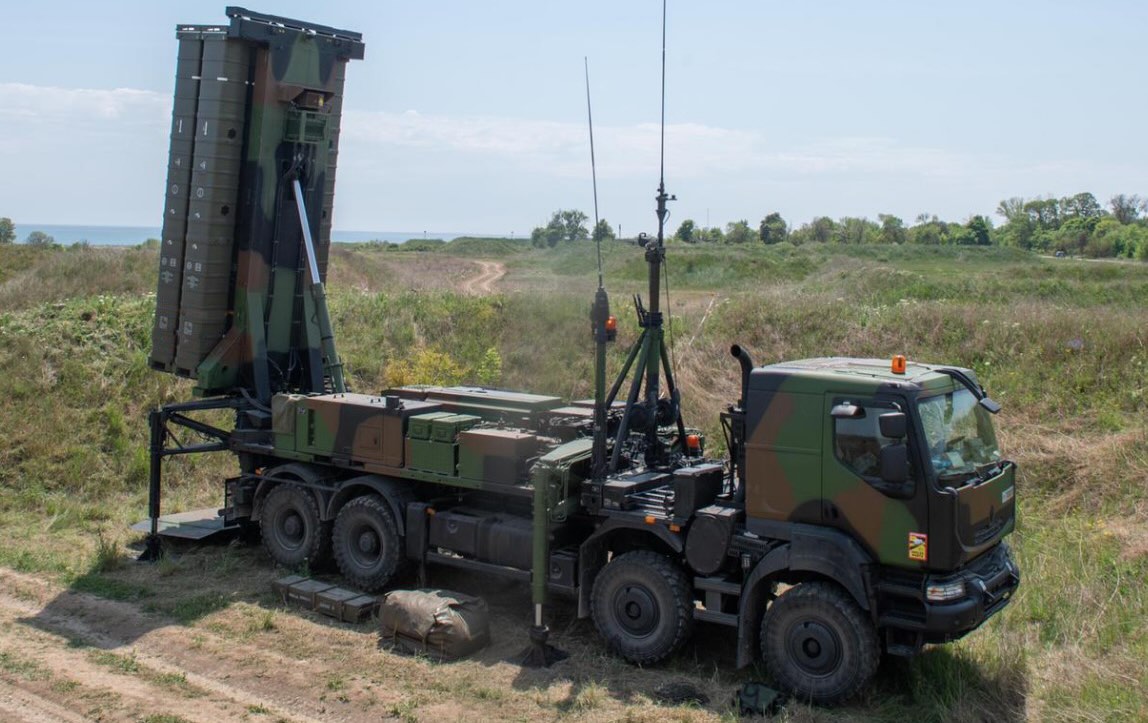
The most visible sign of that shift is in air and missile defence. On 11 March, France’s Thales unveiled SkyDefender, an integrated air and missile-defence system designed to combine existing short-, medium- and long-range capabilities into a single architecture. The system brings together anti-drone protection, medium-range missile defence and long-range radar coverage, reflecting the growing European view that modern air defence must be layered, networked and able to respond to threats ranging from cheap drones to ballistic missiles.
That announcement fits into a broader European pattern. The European Commission’s Defence Readiness Roadmap 2030identifies four flagship projects: the Eastern Flank Watch, the European Drone Defence Initiative, the European Air Shield and the European Space Shield. The roadmap sets out a timetable aimed at launching projects across all priority areas in the first half of 2026, with initial industrial-capacity data to be collected by mid-2026 and capability shortfalls to be progressively closed by 2030. Air and missile defence is listed among the most urgent gaps, alongside artillery, ammunition, drones, cyber capabilities and military mobility.
The European Parliament has added political pressure to that process. In a vote on 11 March, MEPs called for a genuine single market for defence, a clearer “buy European” approach in procurement, and faster action on flagship defence projects. Parliament argued that fragmented procurement and dependence on non-EU suppliers weaken Europe’s ability to deter threats and sustain prolonged operations. It also pressed the Commission to clarify the objectives, governance, financing and timelines for the new flagship projects.
Money is central to the new push. The Commission’s ReArm Europe plan, now folded into its Readiness 2030 framework, aims to mobilise up to €800 billion in additional defence spending. This includes greater fiscal flexibility for member states and a €150 billion loan instrument, SAFE, intended to support investment in priority areas including missile defence, drones and cyber security. The stated objective is not merely higher spending, but more joint spending and more spending inside Europe’s own industrial base. The roadmap sets a political target for at least 55 per cent of total defence investment to be procured from the European defence technological and industrial base, while joint procurement is expected to converge towards 35 per cent and, in the roadmap, rise to 40 per cent by the end of 2027.
This is closely linked to the industrial question. NATO Secretary General Mark Rutte said after the February meeting of NATO defence ministers that allies were making progress towards a 5 per cent defence investment plan, but stressed that higher demand must be matched by higher supply. He called for more air defence, more ammunition and stronger supply chains, and argued that production lines on both sides of the Atlantic must be expanded rapidly. That point is particularly relevant in Europe, where governments have often announced ambitious procurement plans but found that industry cannot yet deliver at the necessary scale or speed.
Pressure to raise defence budgets remains unevenly distributed, but the trend is unmistakable. Front-line states on NATO’s eastern flank continue to move fastest. Lithuania, for example, said it would raise defence spending to between 5 and 6 per cent of GDP from 2026, citing the threat posed by Russia. Poland is also pushing new capabilities, including plans for what has been described as the EU’s first anti-drone shield. These decisions illustrate a wider divide inside Europe: states closest to Russia regard rapid rearmament as an immediate security requirement, while others still face political, fiscal or industrial constraints.
Yet the direction of travel is now clearer than at any point in recent years. Europe is building a defence policy around three linked assumptions: that the threat environment will remain severe, that dependence on external suppliers carries strategic risk, and that industrial fragmentation undermines military readiness. Missile-defence initiatives, loan-backed procurement plans and new production targets all follow from those premises. The unresolved question is whether Europe can move from declarations to delivery quickly enough. The current build-up shows that rearmament and strategic autonomy are no longer abstract concepts in Brussels language. They are becoming the organising principles of Europe’s defence policy.