

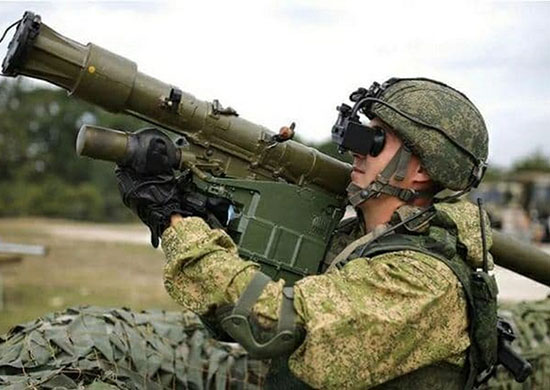
According to a Financial Times report published on 22 February, Iran agreed a €500 million arms deal with Russia to acquire 500 Verba man-portable air-defence launch units and 2,500 9M336 missiles, with deliveries scheduled over 2027-2029.
The reported agreement centres on short-range, shoulder-fired air defence systems rather than large strategic missile batteries. That distinction matters. If accurate, the deal would not by itself create a comprehensive shield over Iran, but it could complicate low-altitude operations by aircraft, drones and cruise missiles in any future confrontation. The FT summary notes that analysts see the Verba system as mobile and suited to filling gaps exposed in Iran’s recent conflict experience.
The timing is politically significant. The reports have emerged as the Trump administration weighs military options against Iran while also pursuing nuclear talks.
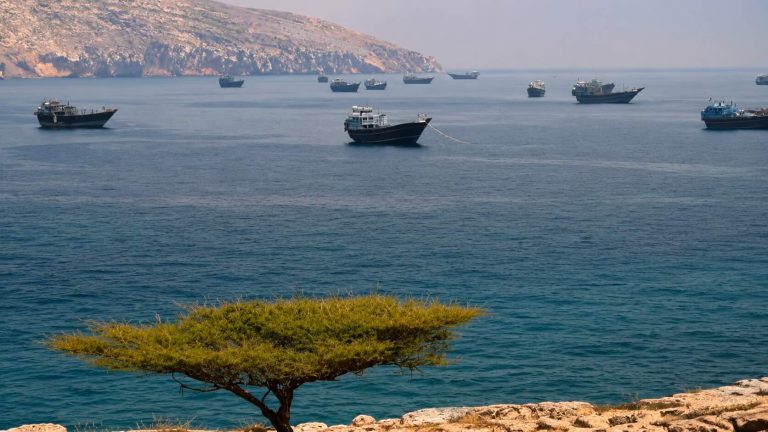
This combination of diplomacy and coercive signalling is not unusual in US-Iran relations. What is different now is the visible deepening of Russia-Iran military cooperation during the same period. Reuters reported last week that Moscow, while publicly urging restraint and diplomacy, maintains a strategic partnership with Tehran and has carried out joint military activity with Iran, including exercises in the Gulf of Oman.
The reported missile sale also revives debate about the practical meaning of the Russia-Iran strategic partnership signed in January 2025. EU Today, in its reporting on the signing, described a broad framework covering security cooperation and military coordination, while other analyses have noted that it does not contain the same explicit mutual-defence commitment found in Russia’s treaty with North Korea. Even without such a clause, the alleged Verba contract suggests Moscow may be willing to provide material support that improves Iran’s resilience under pressure.
That is likely to be read in Washington, Jerusalem and Gulf capitals as a signal that Russia is prepared to raise the operational cost of any future Western or Israeli military action against Iran. It does not necessarily mean Moscow seeks direct confrontation with the United States. It does, however, indicate a willingness to shape the battlefield environment indirectly.
For Ukraine and Europe, the reported deal is relevant beyond the Middle East. It illustrates Russia’s ability to continue exporting advanced military systems while prosecuting a long war in Ukraine, despite sanctions and battlefield losses. It also underscores the extent to which regional crises are increasingly connected: US-Iran tensions, Russia’s war against Ukraine, and China’s energy purchasing patterns now interact within a single strategic picture.
At this stage, the immediate policy question is not whether a shipment of Verba systems would transform Iran’s defence posture overnight; reported deliveries are scheduled over several years. The more immediate issue is signalling. If the FT report is accurate, Moscow has chosen to deepen military support for Tehran precisely when the White House is using the threat of force to increase leverage in negotiations.
That development does not make conflict inevitable. It does, however, narrow margins for miscalculation and further complicate an already crowded diplomatic and military landscape stretching from Eastern Europe to the Gulf.


The Hidden Strategic Costs of China’s New London Embassy