

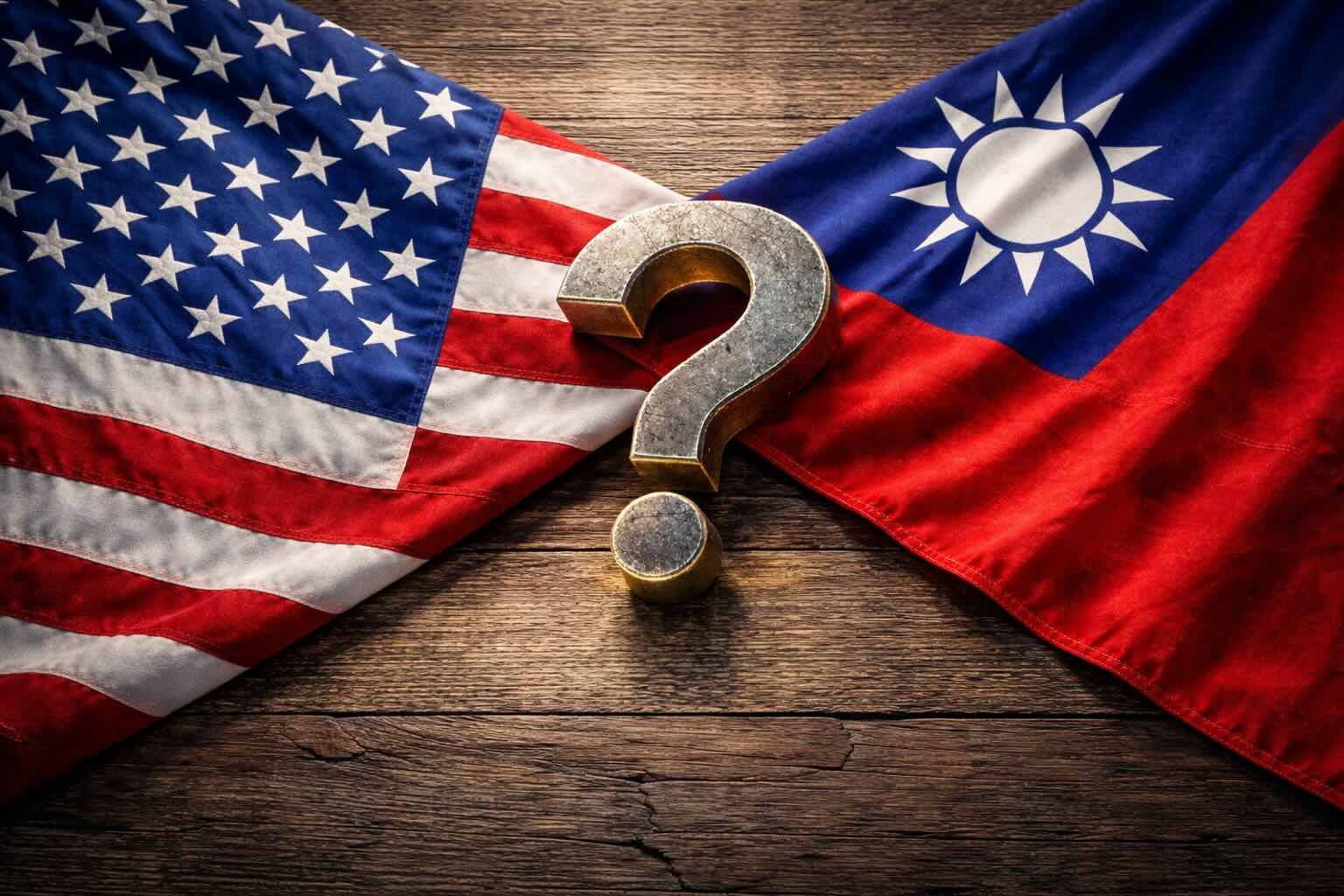
The Journal reported that Chinese President Xi Jinping raised the issue directly in a February phone call, urging Trump to exercise caution on further weapons sales to Taiwan. The White House has not publicly confirmed the substance of that call, but Trump has indicated he has been speaking with Xi about Taiwan-related arms questions while saying that US policy has not changed.
At issue is a package that follows a record US$11.1 billion set of approved arms sales for Taiwan announced in December 2025, which prompted sharp criticism from Beijing and subsequent Chinese military activity around the island. US officials cited by the Journal said additional packages — including capabilities reported to involve air and missile defence — are under internal review.
The timing matters because Washington and Beijing have been exploring a broader stabilisation agenda tied to trade and technology restrictions. Reuters reported that US Secretary of State Marco Rubio met China’s foreign minister Wang Yi at the Munich Security Conference in mid-February, with discussions taking place in the context of a possible Trump–Xi summit and the mooted April visit. Chinese officials have also confirmed that communications are under way about Trump travelling to China, after Xi reiterated an invitation during the February call.
Taiwan is a central friction point because Beijing regards the island as part of China and opposes foreign military support for Taipei, while the United States maintains a long-standing “one China” policy alongside security commitments defined by domestic legislation and policy statements. Debate in Washington has typically centred on deterrence and credibility: whether slowing or reshaping arms transfers could be read in Beijing as reduced US willingness to back Taiwan, or whether restraint lowers the risk of a crisis ahead of leader-level talks.
The episode has also intersected with wider questions about US alliances in Europe and Asia. Trump’s approach to international issues has repeatedly been described by analysts as transactional, prioritising negotiation outcomes with major powers, especially where trade and strategic stability are in play. The Journal framed the Taiwan pause as consistent with an effort to avoid provocation ahead of summit diplomacy.
In parallel, the Munich Security Conference brought public attention to sharpening rhetoric over the Taiwan Strait and regional security. Reuters reported that Taiwan’s foreign minister, Lin Chia-lung, criticised comments by Wang Yi in Munich and argued that Beijing was driving instability through military pressure and political claims over sovereignty. Separate reporting described Wang using Munich-related appearances to criticise Japanese statements about the implications for Japan of a Taiwan contingency, prompting protests from Tokyo.
These developments matter to Japan and other US partners because the United States remains the cornerstone of regional deterrence architecture, while China has expanded military capabilities and intensified regularised pressure on Taiwan through air and maritime operations. In Washington, some analysts have warned that consulting Beijing on specific arms transfers risks signalling that Taiwan’s defence posture is negotiable in US–China talks, potentially complicating long-standing policy principles that sought to reassure Taipei.
Japan Is Right to Prepare for Military Action if China Strikes Taiwan
The administration’s position, as presented publicly, is that no fundamental shift has occurred. A White House official told Taiwan’s state-backed CNA that US policy towards Taiwan had not changed after Trump’s remarks about discussing the matter with Xi. The practical question is whether process delays translate into capability gaps for Taiwan, and whether Beijing interprets the pause as tactical diplomacy ahead of a summit or as evidence of reduced US resolve.
For European audiences, the story also lands against the backdrop of continuing war in Ukraine and heightened concern about how major powers weigh risks, costs and commitments. The US debate over Taiwan arms decisions tends to be watched closely in capitals that rely on Washington’s security role, because Asia and Europe are increasingly seen as linked theatres in terms of defence industrial capacity, deterrence messaging, and alliance management.
With the April visit not yet formally confirmed by the White House, the administration retains room to adjust. But the reporting has already raised a clear issue: whether the prospect of a high-profile meeting with Xi can influence the pace and content of US military support for Taiwan — and what that means for deterrence calculations in Beijing, and reassurance in Taipei, Tokyo and other allied capitals.
Japan Is Right to Prepare for Military Action if China Strikes Taiwan


The Hidden Strategic Costs of China’s New London Embassy