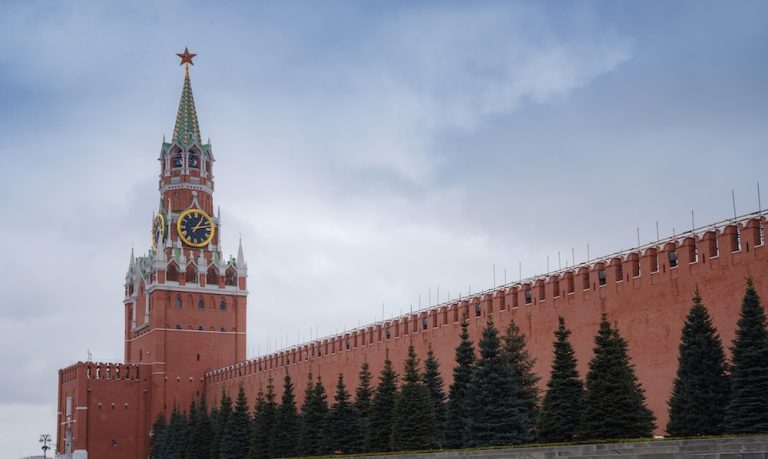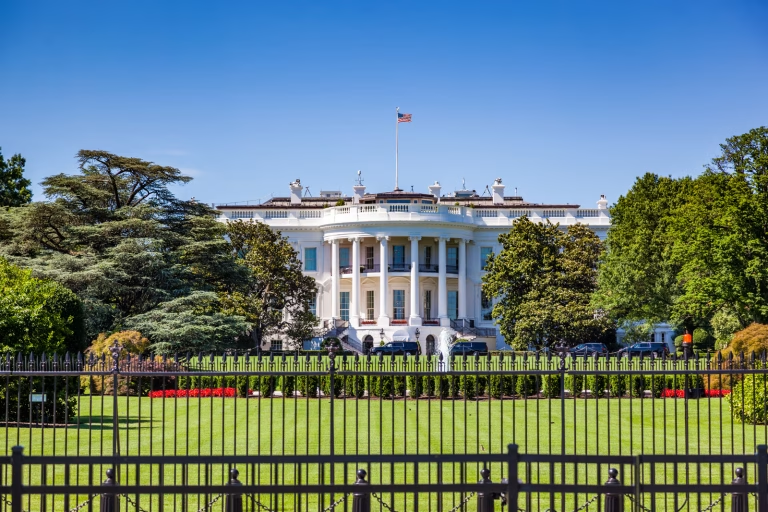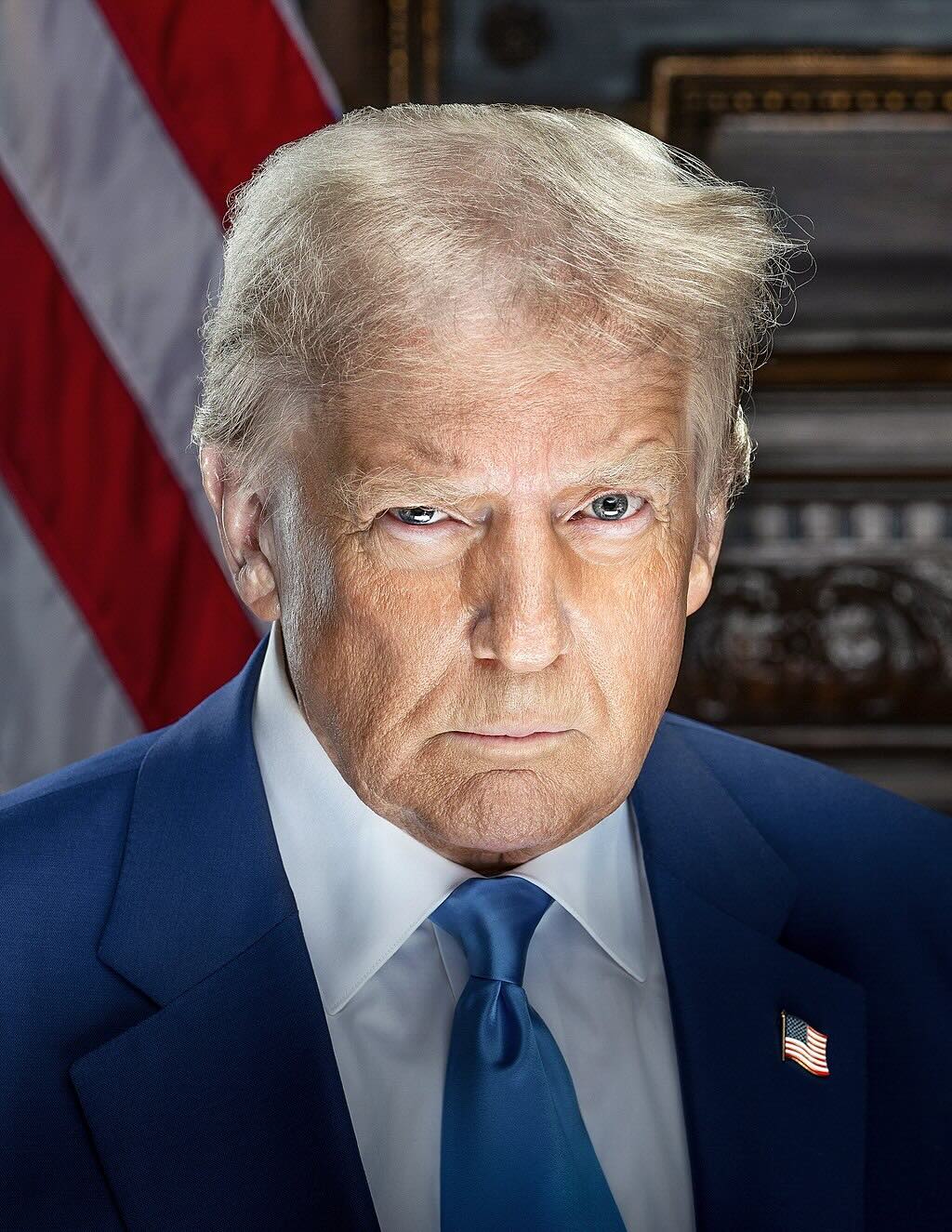
Both men have treated sovereignty not as a settled principle but as a negotiable obstacle, to be bent or brushed aside in pursuit of national aggrandisement. Putin’s doctrine has long been explicit: borders are provisional, history is a weapon, and power confers its own legitimacy. Trump’s language on Greenland, though couched in the idiom of deal-making rather than imperial destiny, springs from the same well.
Territory is reduced to an asset, alliances to leverage, law to a technicality. People are largely irrelevant.
Putin justified the seizure of Crimea and the dismemberment of Ukraine by invoking spurious historical claims and the alleged will of local populations, all while deriding international treaties as relics of a naïve age. Trump, in floating the acquisition of Greenland and refusing to rule out coercion, echoes that logic almost word for word. The UN Charter, the Helsinki Final Act, and NATO’s own founding principles rest on the inviolability of borders and the free consent of peoples. To treat these as optional extras is to embrace the worldview of the strongman, where might does not merely make right but redefines it.
Both men also share a deep suspicion of multilateral institutions. Putin regards them as Western contrivances designed to restrain Russian power; Trump has repeatedly portrayed them as constraints on American freedom of action. The effect is strikingly similar. Whether it is Moscow dismissing international courts as politicised or Washington disparaging alliances as unfair bargains, the outcome is an erosion of the legal architecture that has kept great-power rivalry within bounds since 1945. In that vacuum, coercion flourishes. What begins as “pressure” or “negotiation” swiftly acquires the darker hue of intimidation.
There is, of course, a difference of scale and brutality between the Kremlin’s wars and Trump’s rhetoric. But Europe would be dangerously complacent to focus on degree rather than direction. International law survives not because it is perfect, but because powerful states consent to be bound by it. When leaders on either side of the Atlantic signal that consent is conditional, they lend cover to those who would tear the system down altogether. Putin watches such moments closely, drawing the obvious conclusion: if borders are negotiable for some, they are negotiable for all.
This is why Europe’s response matters so profoundly. Standing firm in defence of Greenland is not an anti-American gesture; it is a pro-law one. It asserts that no leader, however powerful, gets to rewrite the rules unilaterally. In resisting Trump’s expansionist talk, NATO is also resisting the Putinist idea that force, threat or bluster can substitute for legality. The lesson of the past decade is clear enough. When international law is mocked, it is not replaced by stability, but by chaos. Europe has seen where that road leads — and it has every reason to block it now.
Denmark’s Arctic Command invites US to join Greenland exercises as Nato allies plan larger presence