In an era often dominated by announcements of new platforms and cutting-edge procurement, this agreement instead underscores a more fundamental truth: military capability rests not only on what is bought, but on what is kept ready.
At the heart of the contract lies the sustainment of two of the United Kingdom’s most important rotary-wing assets: the AH-64 Apache and the CH-47 Chinook. These aircraft are not merely components of Britain’s armed forces; they are central pillars of its expeditionary power and operational flexibility.
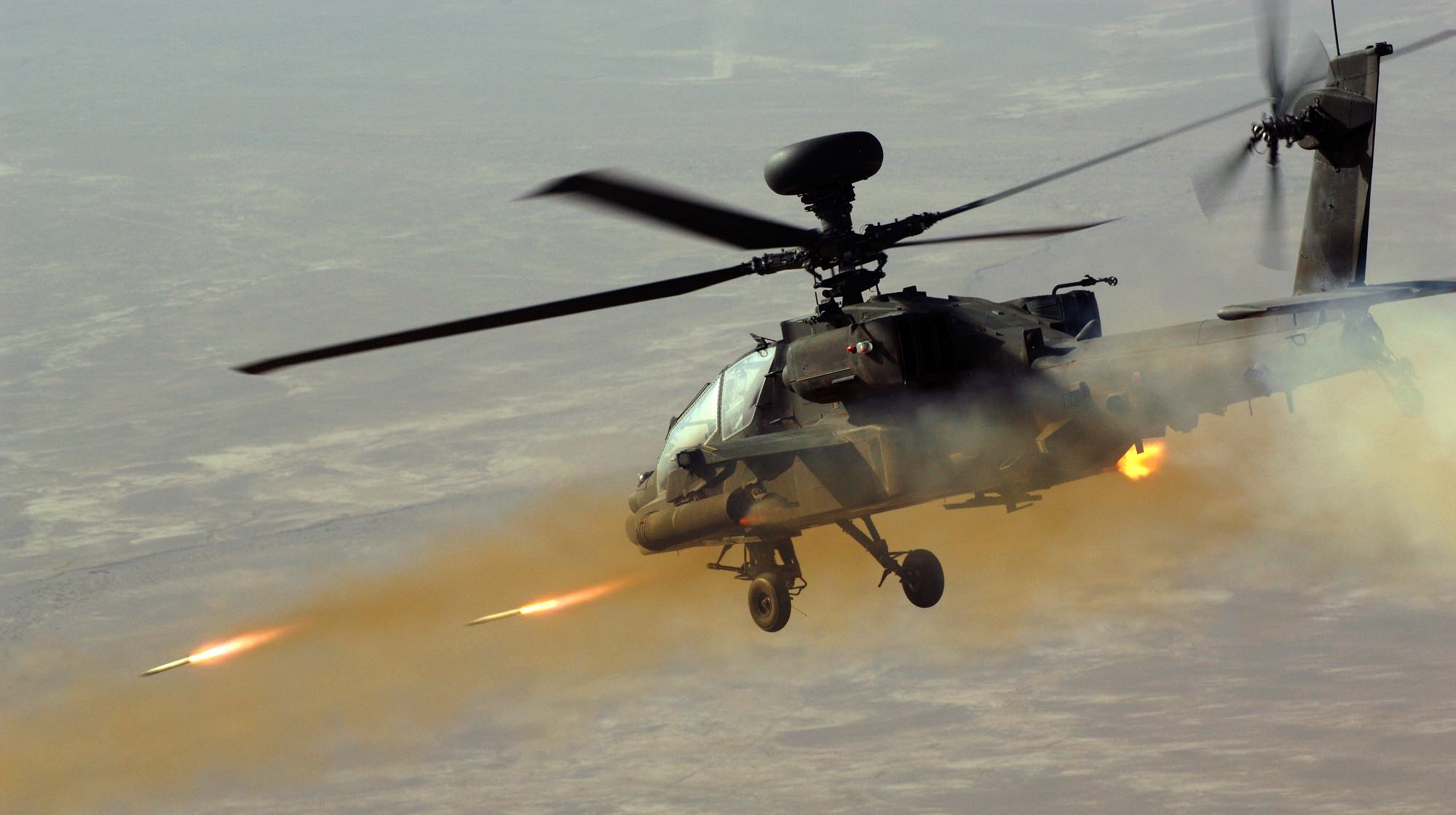
The Apache, operated by the British Army, is among the most formidable attack helicopters in the world. Designed for frontline combat, it combines precision strike capability with advanced targeting systems, enabling it to engage armoured vehicles, fortified positions, and hostile forces with devastating effect. In recent conflicts, the Apache has proven indispensable in providing close air support to ground troops, often operating in complex and hostile environments where speed, accuracy, and resilience are paramount.
Complementing this is the Chinook, the unmistakable twin-rotor workhorse of the Royal Air Force. Where the Apache delivers firepower, the Chinook delivers presence. Capable of transporting troops, artillery, and heavy equipment across challenging terrain, it has long been a backbone of British military logistics. From combat operations in Afghanistan to humanitarian relief missions following natural disasters, the Chinook’s versatility has made it one of the most relied-upon assets in the UK’s inventory.
The significance of the Boeing contract, therefore, lies in ensuring that these aircraft remain available, reliable, and ready for deployment at a moment’s notice. Maintenance and support may lack the glamour of new acquisitions, but they are the foundation upon which operational effectiveness is built. A helicopter grounded for want of servicing is as strategically irrelevant as one never purchased.
This emphasis on sustainment reflects a broader shift in defence thinking. Modern militaries are increasingly judged not by the size of their arsenals, but by their readiness. High availability rates, rapid deployment capability, and resilience under pressure are now the metrics that matter. In this context, the UK government’s decision to invest heavily in support infrastructure appears not only prudent, but necessary.
There is also a strong element of continuity in awarding the contract to Boeing. The company has long been embedded in the UK’s defence ecosystem, with deep experience supporting both Apache and Chinook fleets worldwide. This familiarity reduces risk, streamlines operations, and ensures that expertise is readily available—a crucial factor when dealing with complex and mission-critical equipment.
Critics may, of course, raise familiar concerns about the reliance on foreign contractors. Questions around sovereign capability and domestic industrial support are never far from the surface in British defence debates. Yet it is worth noting that this contract is not about manufacturing new platforms, but about maintaining existing ones. In that regard, the priority is less about where the contractor is headquartered and more about the quality and reliability of the service provided.
Moreover, this agreement sits within a wider pattern of defence investment that suggests a balanced approach. Alongside high-profile procurement programmes and commitments to domestic industry, the government is also ensuring that current capabilities are not neglected. It is a recognition that modernisation and maintenance must go hand in hand.
Operationally, the benefits are clear. Improved maintenance regimes will enhance aircraft availability, reduce downtime, and provide greater predictability for commanders planning deployments. For personnel on the ground, it means increased confidence that the support they rely on—whether in the form of air cover or logistical lift—will be there when needed.
Strategically, the contract sends a quieter but no less important message. At a time of heightened global uncertainty, Britain is investing not only in future capabilities, but in the credibility of its existing forces. It is a reminder that deterrence is built as much on readiness as it is on innovation.
In the end, this is not a story of dramatic new acquisitions or technological breakthroughs. It is, rather, a story of careful stewardship—of recognising that the effectiveness of a modern military depends on the sustained performance of its core assets. By securing the long-term support of its Apache and Chinook fleets, the UK is reinforcing the foundations of its defence posture.
In an age of shifting threats and constrained budgets, such decisions may lack headline appeal. But they are precisely the kind of measured, pragmatic choices upon which enduring military capability depends.
Boeing Lands $4.7 bn Apache Deal — A Sign of Arms Surge Across Europe
Main Image: Staff Sergeant Mike Harvey/MOD, OGL v1.0, https://commons.wikimedia.org/w/index.php?curid=26870964