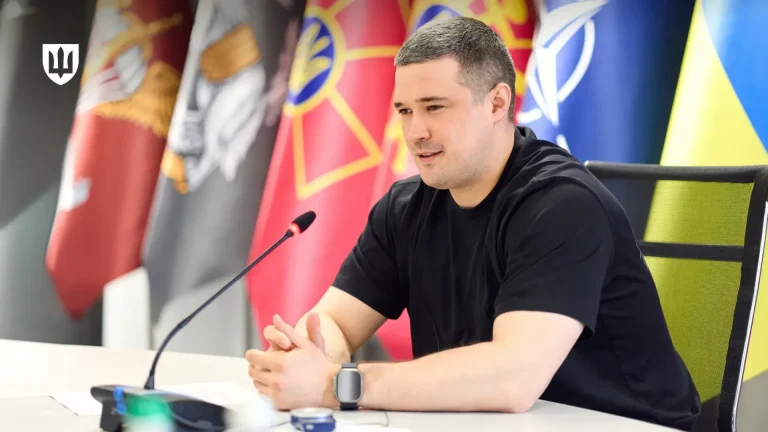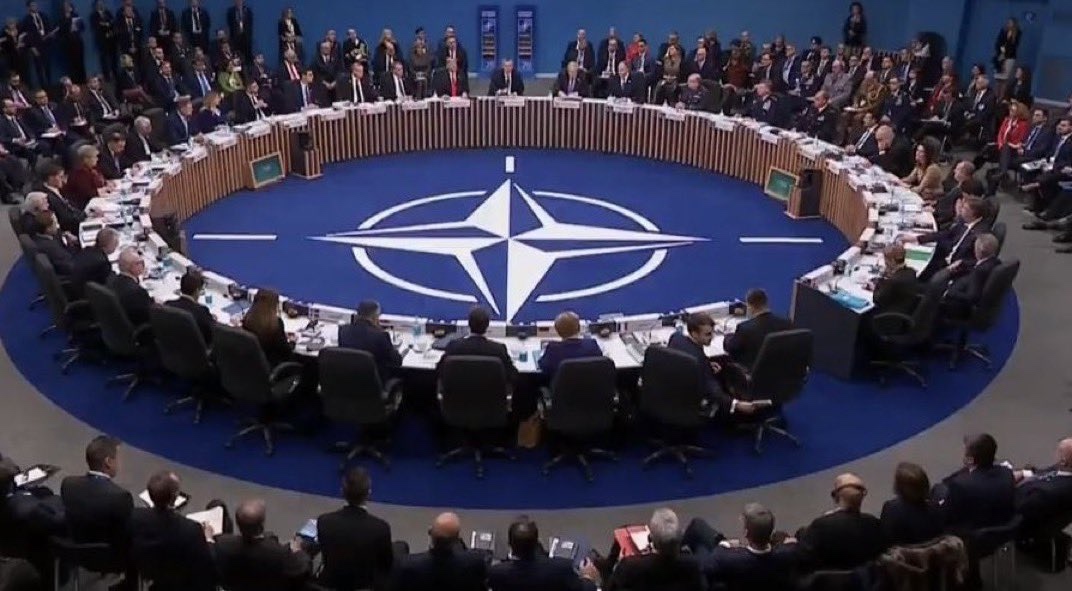
Speaking after a meeting of the Ukraine Defence Contact Group in Berlin, Secretary General Mark Rutte struck a quietly optimistic note, insisting that the alliance remains on course to fully finance Kyiv’s defence requirements through its newly formalised mechanisms before the end of the year.
That confidence is not misplaced. The introduction of the Prioritised Ukraine Requirements List (PURL) has transformed what was once a patchwork of bilateral donations into something approaching a coordinated procurement system. Rather than ad hoc pledges, NATO is now aggregating demand, matching it to supply chains, and distributing the financial burden across allies. In effect, the alliance is behaving less like a loose coalition and more like a strategic clearing house for defence production.
This institutional evolution matters. Since Russia’s invasion, Western support for Ukraine has often been characterised by bursts of generosity followed by periods of hesitation. By contrast, the PURL mechanism offers predictability—arguably the most valuable commodity in modern warfare. It allows Ukraine to plan, NATO to coordinate, and industry to scale.
Rutte himself acknowledged that burden-sharing remains uneven. “A limited number of countries are doing the heavy lifting,” he conceded, though he added that “we are seeing change for the better.” That improvement is visible in the growing number of allies contributing to pooled funding arrangements and in the increasing alignment between European and North American priorities.
Yet the underlying tension has not disappeared. Several NATO and EU member states have, at various points, resisted deeper financial commitments to Ukraine—whether through outright opposition or more subtle forms of delay. Hungaryhas frequently held up EU-level financial packages, leveraging its veto to extract concessions, while Slovakia’s current political leadership has signalled a more sceptical stance towards continued military aid. In southern Europe, Spain and others have occasionally voiced concerns about the scale and sustainability of commitments, particularly in the context of domestic fiscal pressures.
These divergences are not, however, evidence of fragmentation so much as symptoms of a maturing alliance grappling with competing priorities. NATO, by design, operates on consensus; disagreement is not a bug but a feature. What is striking is not that some allies hesitate, but that—despite those hesitations—the overall trajectory of support continues upward.
Indeed, the broader strategic picture reinforces Rutte’s optimism. Across the Atlantic, there remains what he described as “broad agreement” on the necessity of sustaining Ukraine’s defence. Even amid political turbulence in Washington and debates over burden-sharing, the fundamental logic of support—deterrence, credibility, and the defence of European security—remains intact.
Moreover, European contributions are no longer merely supplementary. Countries such as Germany, the United Kingdom, and the Nordic states have taken on increasingly prominent roles, both financially and industrially. The war has, in effect, accelerated Europe’s long-discussed ambition to shoulder more responsibility for its own security—a development that successive U.S. administrations have quietly encouraged.
There is also a growing recognition that supporting Ukraine is not simply an act of solidarity but an investment in long-term stability. The cost of enabling Kyiv to defend itself is widely seen as lower than the potential cost of a wider conflict should Russian aggression go unchecked. In that sense, NATO’s funding efforts are as much about risk management as they are about immediate military necessity.
The alliance’s evolving approach also reflects lessons learned over the past three years. Early in the conflict, logistical bottlenecks, mismatched equipment, and fragmented supply chains hampered effectiveness. Today, coordination has improved markedly. NATO’s structures—once criticised as slow-moving—have demonstrated a capacity to adapt under pressure, integrating national contributions into a more coherent whole.
None of this eliminates the political challenges ahead. Domestic debates within member states will continue to shape the pace and scale of contributions. Elections, fiscal constraints, and shifting public opinion all have the potential to complicate the picture. Yet the direction of travel appears clear.
What emerges, then, is a more resilient and pragmatic NATO—one that recognises its internal differences but is increasingly adept at working through them. The alliance’s ability to move forward despite uneven burden-sharing is, in its own way, a testament to its durability.
For Ukraine, the implications are significant. Reliable funding streams and coordinated procurement offer a stronger foundation for sustained resistance. For NATO, the process represents a quiet but meaningful transformation: from reactive crisis management to structured strategic support.
In an era often defined by division, that may be the most encouraging development of all.