Ukraine’s Defence Ministry said Kyiv and London were working on measures to strengthen air defence and advance anti-ballistic projects, including possible cooperation on Meteor missiles and procurement financed through frozen Russian assets, according to the official Ukrainian defence ministry statement. The language should be treated carefully. These are Ukrainian requests and areas of discussion, not confirmed British deliveries.
That caution is central to the story. Ukraine needs more interceptors, more launch options and better protection against missiles and drones. Britain has political and industrial weight in European missile cooperation. But turning a missile system into a battlefield solution involves integration, export approvals, platform compatibility, training and production capacity.
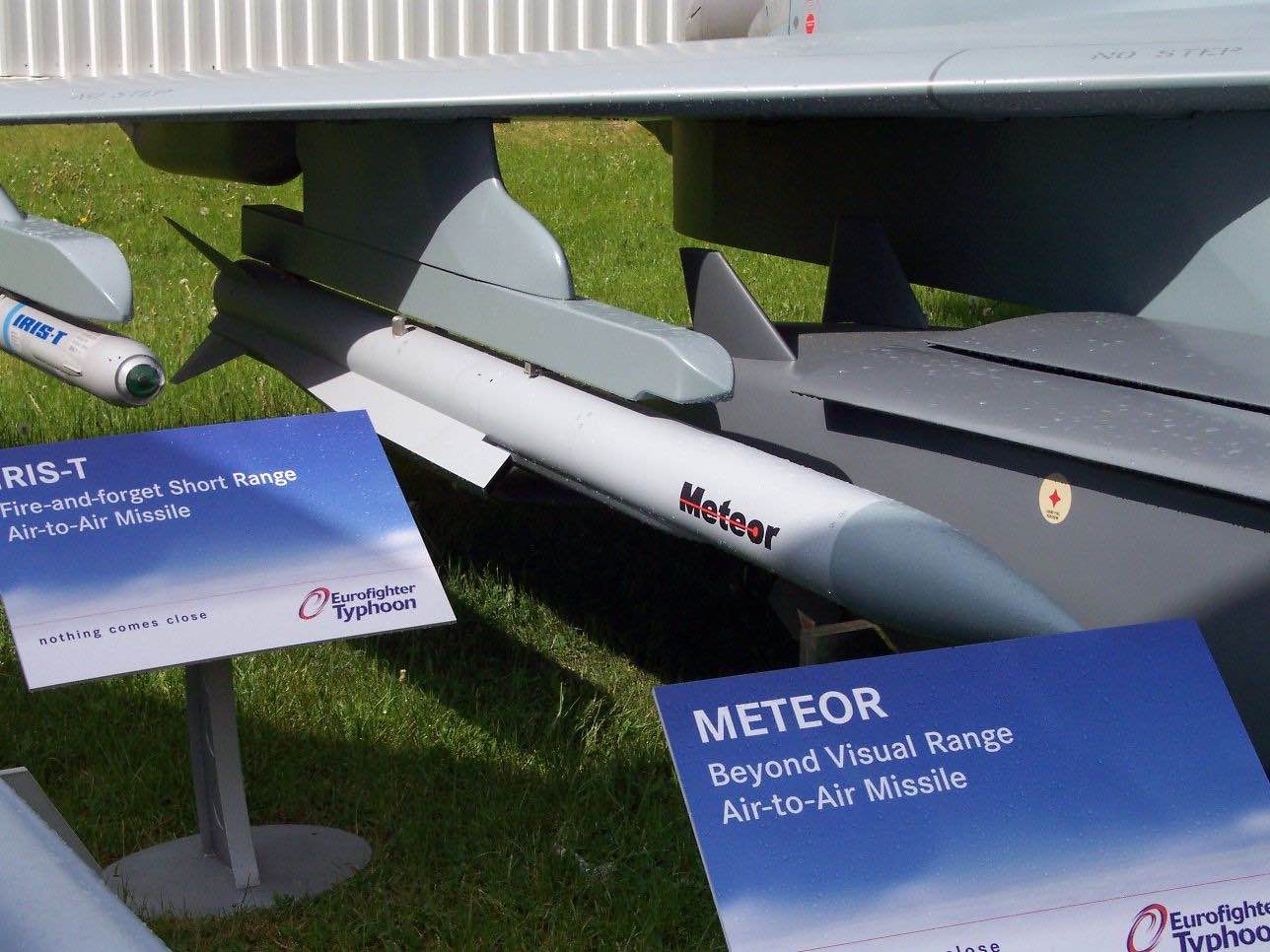
Meteor is best known as a beyond-visual-range air-to-air missile developed by MBDA and used by several European air forces. It is not a standard ground-based air-defence missile. Any discussion of supplying or adapting Meteor for Ukraine therefore raises technical questions that require confirmation from the UK Ministry of Defence, MBDA and other partner states, including Sweden where relevant.
The attraction is understandable. Ukraine faces Russian ballistic missiles, cruise missiles, glide bombs and drones. It has repeatedly sought ways to expand its air-defence inventory beyond systems already in service. European stocks are limited, and production timelines remain a constraint.
But integration is rarely quick. A missile designed around particular aircraft sensors, datalinks and launch envelopes cannot simply be transferred into a new role without engineering work. If Meteor is being discussed, the key question is whether Britain and partners are considering air-launch options, ground-launch adaptation, industrial support or a longer-term capability pathway.
The financing element is also important. Ukraine’s reference to procurement funded through frozen Russian assets fits a broader shift in allied support. Russian sovereign assets and proceeds linked to them are increasingly being discussed not only as macro-financial support, but as a way to fund concrete defence procurement.
Defence Matters has covered this trend in the context of UK drone support and wider allied financing mechanisms. If air-defence procurement is added to that model, frozen assets would become part of Ukraine’s long-term defence-industrial supply chain.
That would have political and legal implications. Using Russian-linked funds for battlefield equipment is more direct than using them for general budget support. It strengthens the argument that Russia should pay for the defence costs generated by its war, but it also requires careful legal structuring.
For Britain, the immediate test is whether the discussion produces specific commitments. Ukraine needs not only supportive language, but systems, interceptors, launchers, sensors and training schedules. The UK has already positioned itself as one of Kyiv’s leading defence partners, but air defence remains among the hardest areas to supply quickly.
If confirmed, Meteor-related cooperation could be significant because it would show European partners trying to adapt high-end missile technology to Ukraine’s immediate defence problem. If it remains only a request, it still reveals where Kyiv sees the gaps: ballistic defence, counter-drone capacity and sustainable financing.
Either way, the discussion shows that Ukraine’s air-defence campaign is no longer only about emergency donations. It is becoming a test of whether European missile industries can convert advanced systems into practical wartime capacity.