

Hanna Hvozdyar, a deputy minister of defence, said the planned law would establish transparent rules for bringing foreign capital into critical companies and would enable the state to verify who is investing, how ownership is structured, and the origin of funds. She described screening as due diligence rather than a ban, focused on checking an investor’s integrity and capital provenance.
The announcement comes as Ukrainian defence manufacturers try to scale output in response to wartime demand, and as domestic defence-technology firms pursue investment and partnerships abroad. Hvozdyar said additional capital is needed for producers to expand manufacturing of modern weapons systems.
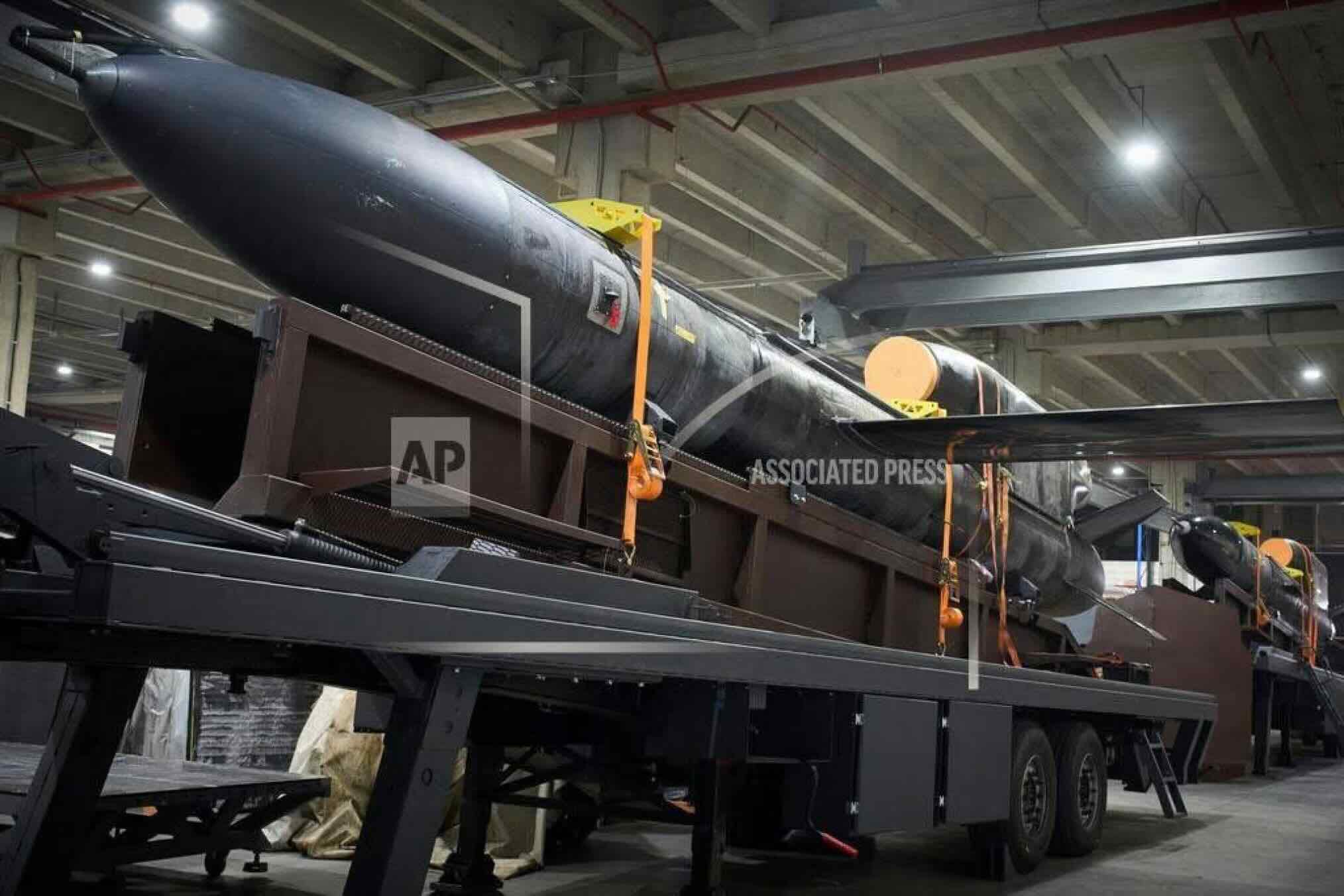
The issue has gained attention after reports of a potential minority sale involving Fire Point, a Ukrainian defence-technology company described in Ukrainian media reporting as a producer of FP-1 and FP-2 drones and the “Flamingo” missile. Recent reports say the UAE defence group EDGE is considering acquiring about 30 per cent of Fire Point. Those reports put Fire Point’s valuation at about $2.5 billion, implying a price of about $760 million for the stake.
Ukraine does not currently have a comprehensive foreign direct investment screening mechanism comparable to those used by many Western partners, although it applies sectoral controls, licensing requirements and competition rules. The proposed law is intended to set a standard process for examining ownership and control in areas considered strategically important, particularly where defence manufacturing and dual-use technology intersect.
Hvozdyar framed the move as alignment with established practice in the United States and the European Union. In the EU, Regulation (EU) 2019/452 provides a co-operation framework under which member states and the European Commission exchange information and comments when screened investments may affect security or public order. In the US, the Committee on Foreign Investment in the United States (CFIUS) is an interagency committee authorised to review certain transactions involving foreign investment in order to determine their effect on US national security.
Separate Ukrainian legislative work on investment screening has been discussed publicly since 2025. The European Business Association said draft law No. 14062, “On the Screening of Foreign Direct Investments”, was registered in parliament on 22 September 2025 and would create a mandatory screening regime for defined transactions. Legal analysis has described a proposed screening commission expected to operate under the Ministry of Economy, with representatives of several state bodies.
According to Kinstellar’s summary of the draft, screening would be triggered by investment into companies involved in critical infrastructure, extraction of strategically important minerals, and the development, production, modernisation, repair, transportation, disposal, or trade of military and dual-use goods. Advisories on the draft describe a process in which investors provide beneficial ownership and financing information, and the authorities can clear a deal, clear it with conditions, or prohibit it if concerns are identified.
The screening initiative sits alongside efforts to expand Ukraine’s domestic financing channels for defence producers. On 26 December 2025, the Ministry of Defence said the Cabinet of Ministers had adopted a resolution introducing state support for defence enterprises through financial leasing, under which arms manufacturers would effectively pay 5 per cent annual interest and the state would compensate the remaining financing cost. Reporting on the programme said contracts may run for up to five years and the maximum financing amount is up to 500 million hryvnias per contract.
For foreign investors, a screening law would add a defined disclosure and review stage to transactions involving sensitive Ukrainian assets. For Kyiv, the stated objective is to combine access to foreign capital with closer scrutiny of ownership and control in strategic industries.
UAE interest in a Ukrainian defence firm Fire Point: opportunities and risks


Why Slotless Motor Technology Could Transform the Next Generation of UAVs