Ukraine has launched a new wave of strikes against Russian oil and maritime infrastructure, hitting the Baltic port of Primorsk and two shadow fleet tankers near Novorossiysk in what appears to be a further expansion of Kyiv’s campaign against Moscow’s energy export system.
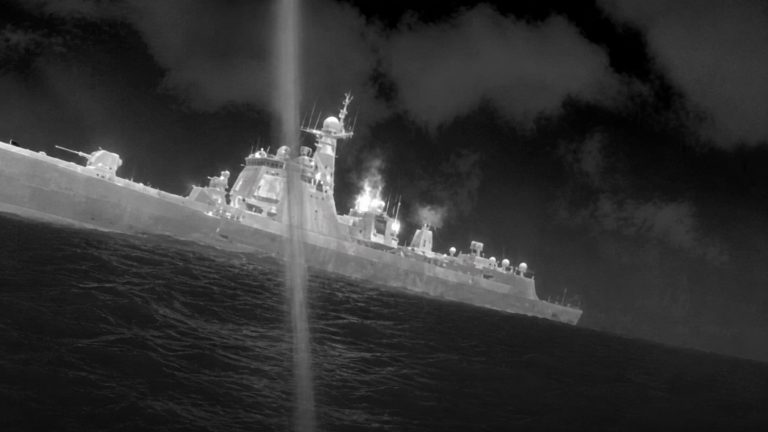
President Volodymyr Zelenskyy said Ukrainian forces had struck two tankers in waters near the entrance to the Black Sea port of Novorossiysk. He said the vessels had been used to transport Russian oil and would no longer be available for that purpose.
The operation was carried out at sea, adding to Ukraine’s growing use of naval drones against Russian assets in and around the Black Sea. The port of Novorossiysk is one of Russia’s most important maritime outlets and has acquired greater significance since Ukraine pushed much of Russia’s Black Sea Fleet away from Crimea’s western approaches.
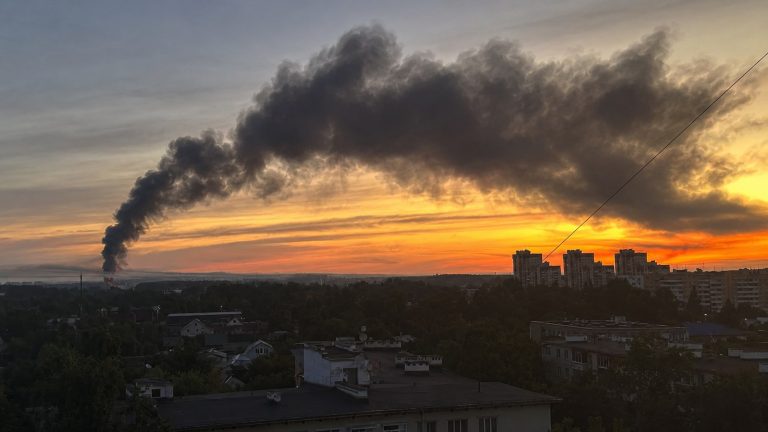
The same day, Ukrainian attacks also hit the Russian port of Primorsk in Leningrad Oblast, Russia’s largest oil-loading port on the Baltic Sea. Regional authorities said a drone attack caused a fire but no oil spill. Current accounts also reported damage to port infrastructure and vessels.
Zelenskyy said Ukrainian forces had successfully struck targets at Primorsk, including a Karakurt-class missile ship, a patrol boat and a tanker linked to Russia’s shadow oil fleet. The Ukrainian account also referred to damage to oil-loading infrastructure at the port.
The Karakurt-class vessel is significant because ships of that type are able to carry Kalibr cruise missiles, which Russia has used against Ukrainian cities and infrastructure. If confirmed, damage to such a vessel would make the operation both an energy strike and a naval capability strike.
The wider importance of the operation lies in its target set. Ukraine is not only striking refineries, depots and military airfields. It is increasingly going after the maritime system through which Russia sells crude, moves sanctioned cargo and preserves export revenue.
The shadow fleet has become central to that system. It consists of tankers used to move Russian oil despite Western restrictions and price-cap measures. Many such vessels operate through opaque ownership structures, older hulls, complex insurance arrangements and irregular tracking practices. Their use has raised concern in Europe not only because of sanctions evasion, but also because of maritime safety and environmental risks.
By hitting tankers at or near Russian ports, Ukraine is applying military pressure to a sanctions problem that has otherwise depended largely on legal, financial and insurance enforcement. The practical effect is difficult to measure immediately. A damaged tanker may be removed from service, delayed, or forced into repair. The broader message is that ships used to carry Russian crude are no longer insulated from the war simply because they are commercial assets.
Primorsk matters for the same reason. It is one of Russia’s key export gateways, with capacity to handle large volumes of crude. Any disruption there can complicate loading schedules, insurance calculations, port operations and the risk assessment of shipowners and traders willing to handle Russian cargo.
This does not mean Ukraine can shut down Russian oil exports by striking individual ports or tankers. Russia has several export routes and has repeatedly adapted under sanctions and wartime pressure. Crude flows can be redirected, vessels can be replaced, and repairs can be made. But repeated attacks raise the cost, uncertainty and operational burden of keeping the system moving.
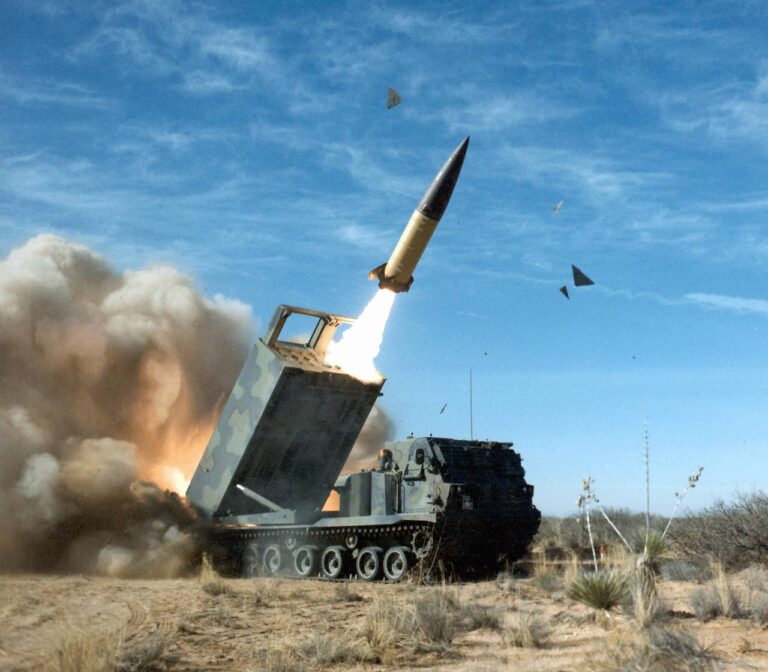
The timing is also relevant. Ukraine has steadily developed long-range strike capabilities in the air, at sea and on land. Zelenskyy said those capabilities would continue to expand. The latest attacks indicate that Kyiv is looking for pressure points that connect military value with economic consequence.
For Moscow, the problem is layered. Protecting refineries is one challenge. Protecting ports, loading infrastructure, naval vessels, tankers and sea approaches is another. The Baltic and Black Sea theatres are geographically separate, meaning Russia must allocate air defence, maritime security and repair capacity across a broad area.
For European governments, the strikes add another element to the debate over sanctions enforcement. The shadow fleet has long been treated as a regulatory, maritime and financial problem. Ukraine’s campaign shows that the same fleet is also becoming part of the military geography of the war.
There are still limits to what can be stated with certainty. Damage assessments from Russian ports are difficult to verify independently, and claims about specific vessels may require satellite imagery, port data or later confirmation. Russian authorities have acknowledged incidents at Primorsk, while Ukrainian officials have claimed successful strikes on vessels and infrastructure.
What is clear is that Ukraine has again expanded the pressure on Russia’s oil export network. The latest operations link the Baltic port of Primorsk, the Black Sea approaches to Novorossiysk, shadow fleet tankers and naval assets into one strategic picture: Kyiv is targeting not only Russia’s battlefield forces, but also the maritime infrastructure and export channels that help finance the war.