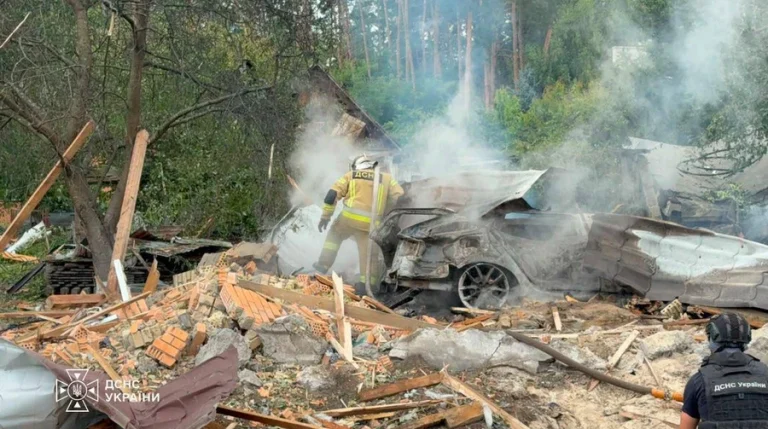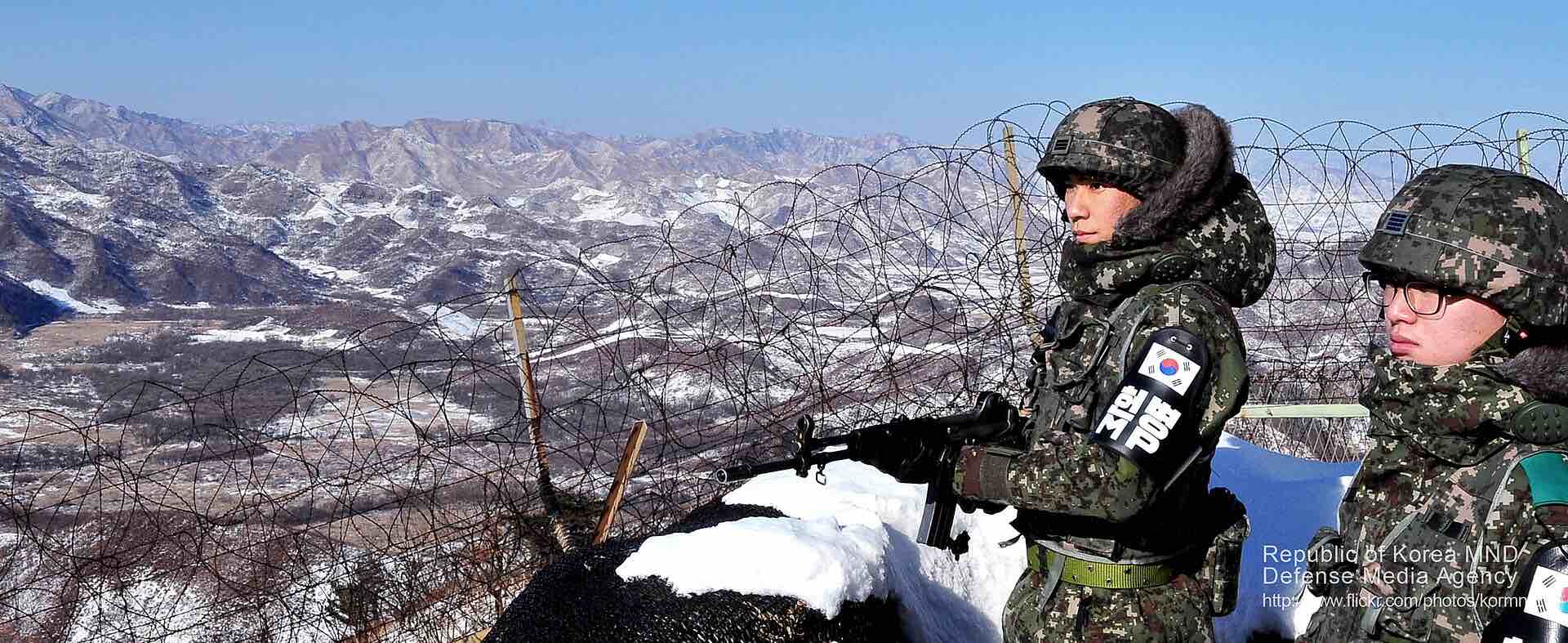
South Korean troops prepared to engage an allied drone near the northern border, exposing weaknesses in exercise notification and identification procedures.
South Korean troops came close to engaging an unidentified aircraft near the border with North Korea before establishing that it was a United States military drone participating in joint training.
Residents also received warnings during the incident on 30th July. South Korea’s military announced a review the following day, according to Reuters.
No aircraft was shot down and the incident did not escalate across the border. That outcome should not obscure the seriousness of the failure. An allied platform entered an area in which South Korean forces were prepared to use air-defence weapons without the relevant units having a sufficiently reliable shared identification picture.
Near one of the world’s most heavily militarised boundaries, a mistaken engagement could have destroyed an American aircraft, injured people on the ground and generated a political dispute between allies. If the drone or interceptor crossed the Military Demarcation Line, it could also have produced a North Korean response.
Military aviation uses identification-friend-or-foe systems, flight plans, restricted operating zones and command networks to distinguish allied platforms from potential threats.
Small or medium drones can complicate those arrangements. They may operate at lower altitude, use different communications systems and fly routes not familiar to conventional air-defence crews. Their radar signature and flight profile can resemble an intruding reconnaissance vehicle.
South Korea has strong reasons to react quickly. North Korean drones have crossed the border before, including the 2022 incursion in which one reached restricted airspace near Seoul. That history reduces the tolerance for an unidentified track.
The problem is not that South Korean troops treated an unknown aircraft seriously. It is that an American training platform apparently remained unknown long enough to prompt preparation for engagement and civilian warnings.
The review should determine whether the drone transmitted the expected electronic identification, whether ground units could receive it and whether the route had been distributed through the chain of command.
Joint exercises involve numerous headquarters, airspace managers, units and civilian authorities. A plan may be approved at a senior level while a local air-defence crew receives incomplete or late information.
That gap is especially dangerous when exercises overlap with real-world alert duties. Units near the border cannot assume an unexpected aircraft belongs to training. North Korea could exploit a predictable exercise period to conduct its own reconnaissance.
Notification must therefore be precise without creating complacency. Air defenders need authorised routes, time windows, altitude blocks, platform characteristics and procedures for challenging a flight that deviates from the plan.
The drone crew or mission commander also requires a rapid abort and identification channel. If a platform loses communications or navigation, controllers must alert defensive units immediately.
It is not enough for the US and South Korean exercise headquarters to share information with each other. The data must reach the soldiers who control weapons and the officials who issue public alerts.
Destroying an allied drone would first be an operational and financial loss. Depending on the model, it could also expose sensitive sensors or communications equipment when wreckage was recovered.
The political cost could be larger. Questions would arise over responsibility, compensation and the competence of combined command arrangements. North Korean media would present the incident as evidence of disorder within the alliance.
An interceptor fired near the border could itself create danger. A missile does not disappear when it misses; it may continue until self-destruction or ground impact. Debris from a successful engagement can also fall on civilian areas.
Civilian alerts during the incident show that the uncertainty had already moved beyond military channels. Emergency warnings must be issued rapidly, but false or poorly explained alerts can erode public confidence. Residents need a prompt factual account after the danger passes.
Operating drones in the border region has clear training value. Crews must understand terrain, communications and threat conditions where they might actually be employed.
Realism cannot mean bypassing safety procedures. Exercises should test identification systems deliberately, with controlled injects and observers, rather than create an unplanned ambiguity around a live defensive posture.
The allies may consider dedicated corridors or altitude blocks for certain drone missions. Those arrangements reduce confusion but can also make activity predictable to North Korea. Variable routes supported by strong digital notification may offer a better balance.
Technical interoperability deserves particular attention. American and South Korean systems may use compatible standards without displaying the same information to every operator. Software configuration, encryption keys and network gateways can determine whether an identity reaches a local console.
The review should test the whole chain rather than attributing the event to one individual who failed to recognise a silhouette.
South Korea plans to expand drone training and use across its armed forces. Defence Matters has examined how Seoul’s goal of training 500,000 drone operators would make uncrewed aviation a basic military skill.
As the number of platforms and operators grows, informal co-ordination will no longer be sufficient. Airspace once used by a small number of specialist units may contain reconnaissance drones, loitering munitions, counter-drone interceptors and conventional aircraft.
Mass adoption therefore requires mass discipline: registration, mission planning, electronic identity, lost-link procedures and real-time deconfliction.
The same lesson applies to NATO and other alliances. Partners are buying drones faster than they are standardising command and identification. A platform may be technically interoperable with a data network but operationally invisible to the unit that matters.
South Korea’s military should establish a precise timeline: when the flight was authorised, when the track was detected, which units were informed, when engagement preparation began and how identification was finally confirmed.
The allies should test whether similar failures could occur at other bases or during larger exercises. Corrective measures may include automated distribution of drone flight plans, common digital identity standards, direct hotlines and clearer authority for aborting missions.
Disciplinary action may be appropriate if procedures were ignored. It should not become a substitute for repairing a system that allowed the ambiguity to persist.
The near-shootdown ended without physical damage. That makes it a valuable warning rather than a completed failure. South Korean troops demonstrated alertness to an unidentified aircraft; the alliance failed to ensure that they knew an American drone was supposed to be there.
On the Korean border, those two facts must be reconciled. Effective air defence depends on the ability to fire quickly when necessary—and on confidence that the target is not an ally.
Main Image: 대한민국 국군 Republic of Korea Armed Forces