The warning delivered this week by Chief of the Defence Staff Sir Richard Knighton was remarkable not because it revealed anything new, but because it publicly acknowledged what defence experts, military officers and industry executives have been saying for months. Britain is running out of time. Russia is becoming increasingly aggressive, threats are multiplying across multiple domains, and the government’s long-promised Defence Investment Plan remains mired in delay.
Knighton’s intervention exposed a growing contradiction at the heart of British defence policy. Ministers insist they recognise the scale of the threat. Prime Minister Keir Starmer has repeatedly spoken of a more dangerous world and pledged eventually to increase defence spending to 3 per cent of GDP. Yet the practical mechanisms required to turn those aspirations into military capability remain stalled.
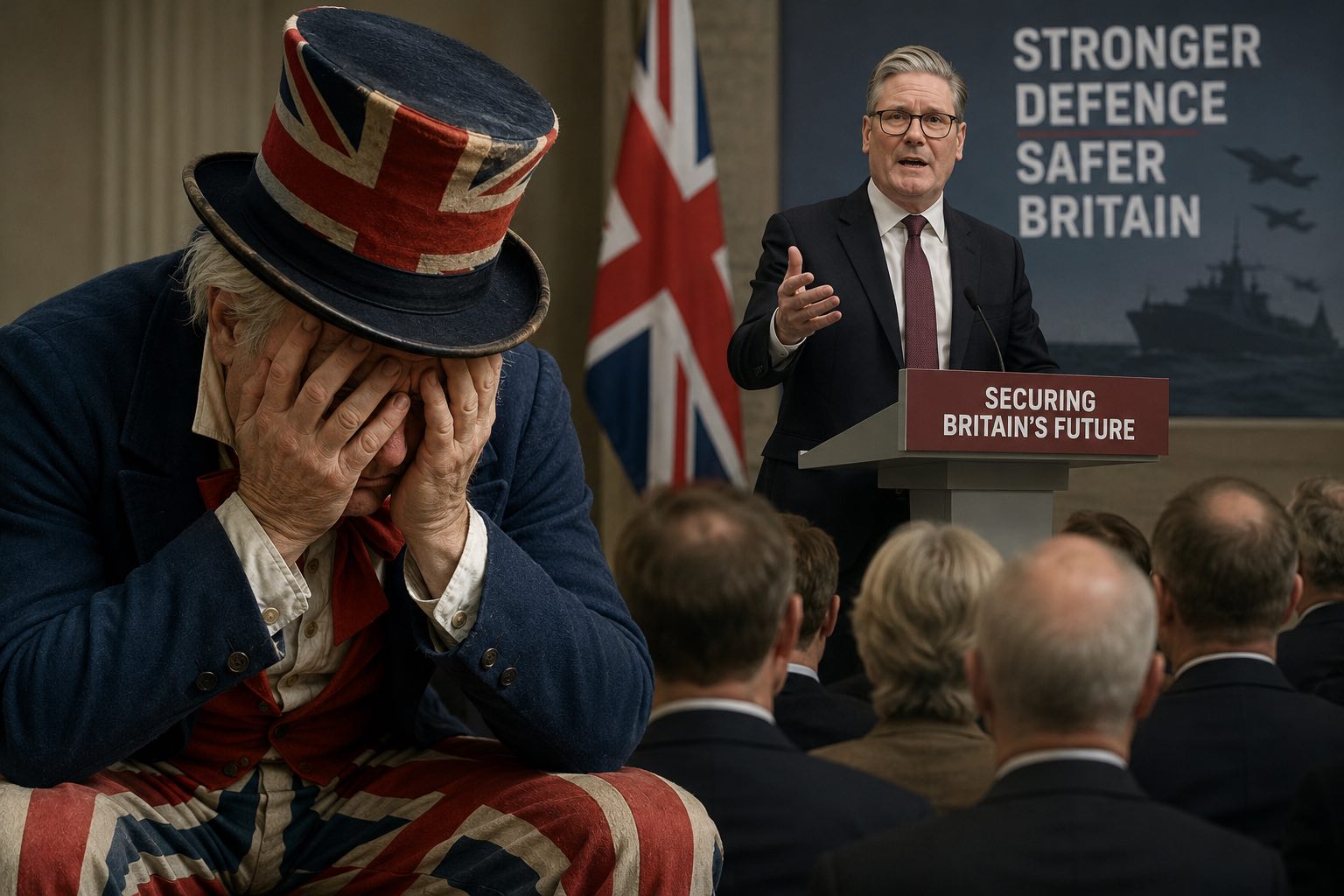
“No Winston Churchill”: Keir Starmer’s Credibility Shrinks with the Royal Navy
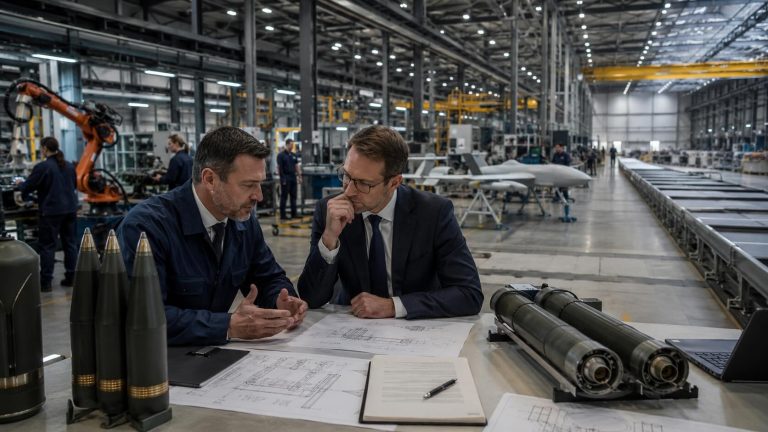
The delay matters because military power is not created overnight. Warships require years to build. Ammunition production lines take time to expand. Recruitment crises cannot be solved with press releases. Defence industries need predictable procurement schedules and long-term certainty before committing capital to new factories, supply chains and skilled workers.
Instead, Britain’s defence sector finds itself waiting for a plan that was expected many months ago and is now promised before the NATO summit in July.
The consequences extend beyond administrative inconvenience. Reports of a substantial funding shortfall inside the Ministry of Defence suggest that Whitehall is struggling to reconcile strategic ambition with fiscal reality. The result is a paralysis that undermines both military readiness and industrial confidence.
This pattern has become depressingly familiar. Successive British governments have announced reviews, refreshes and strategic reassessments while quietly postponing difficult funding decisions. The armed forces have become increasingly adept at presenting an image of technological sophistication while simultaneously shrinking in mass and resilience.
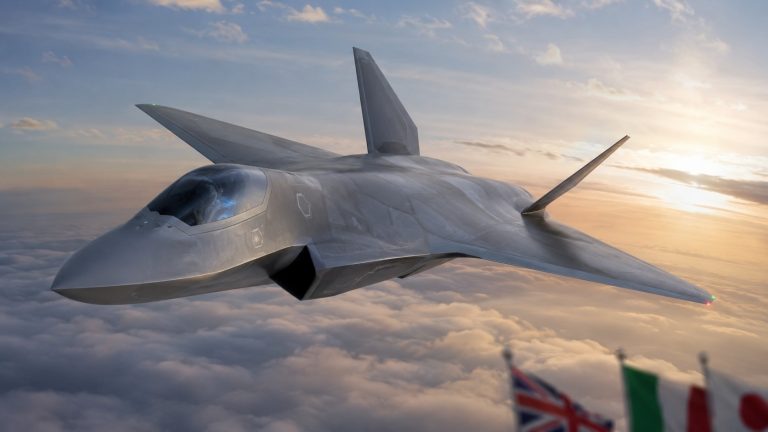
The Royal Navy faces mounting pressures across the North Atlantic, the Mediterranean and the Indo-Pacific. The Army remains smaller than at any point in modern history. The Royal Air Force continues to modernise but faces the challenge of sustaining readiness amid growing operational demands. These are not new problems. What is new is the intensity of the threat environment confronting them.
Knighton warned that risks to Britain are now greater than at any point since the Cold War. Reports of increased Russian military activity, cyber operations, sabotage campaigns and intelligence gathering underline the seriousness of that assessment.
Yet Britain’s response remains characterised by delay.
The contrast with several European allies is becoming increasingly uncomfortable. Across the continent, governments are committing to significant increases in defence expenditure and accelerating procurement programmes in response to lessons from Ukraine. NATO itself is moving towards substantially higher spending expectations. Even smaller member states are debating defence budgets once considered politically unthinkable.
Britain, by contrast, risks finding itself caught between aspiration and execution.
There is a broader question of political credibility. Deterrence depends not merely on military capability but on the perception that a government is willing and able to resource its stated objectives. Announcing spending targets years into the future while delaying immediate investment plans sends a confusing signal to allies, adversaries and investors alike.
The government would undoubtedly argue that public finances remain under strain and that difficult trade-offs are unavoidable. That is true. Defence budgets compete with healthcare, welfare, education and debt servicing. However, the essence of strategy is prioritisation. A government that repeatedly describes national security as its highest priority cannot indefinitely postpone the spending decisions required to support that claim.
Britain’s defence industry has demonstrated that it can deliver world-class capabilities when provided with consistent demand and clear direction. What it cannot do is operate effectively amid uncertainty. Factories cannot expand production based on political intentions alone.
The uncomfortable reality is that Britain’s strategic challenge is no longer primarily conceptual. The threat has been identified. The reviews have been conducted. The warnings have been issued.
What remains is the harder task of paying for the response.
Knighton’s intervention should therefore be seen as more than a military assessment. It is an implicit challenge to a political class that has spent years discussing defence while too often postponing the investments necessary to secure it.
The question facing Britain is no longer whether it understands the dangers emerging beyond its borders. It is whether its leaders possess the urgency—and the political courage—to act before those dangers overtake the plans still sitting on Whitehall desks.
Babcock’s mounting losses raise serious questions about Britain’s naval ambitions