Yet, as so often in financial markets, what rises in a straight line seldom continues that way. A noticeable chill has now settled over Europe’s defence stocks, prompting a reassessment not merely of valuations but of the very nature of modern warfare itself.
The figures tell their own story. The MSCI Europe Aerospace and Defence Index fell by 9.2 per cent in March, its sharpest monthly decline in five years, marking a clear reversal in sentiment after a prolonged rally. Investors, it seems, have begun to question whether the “war trade” has run ahead of reality.
At one level, this is little more than the market performing its natural function. Defence shares had surged to such heights that profit-taking was inevitable. Valuations, by many measures, had become stretched, pricing in years of uninterrupted growth and ever-rising military expenditure. When expectations become excessive, disappointment need not be dramatic to trigger a correction.
But to dismiss the shift as mere technical adjustment would be to miss the deeper undercurrents at play.
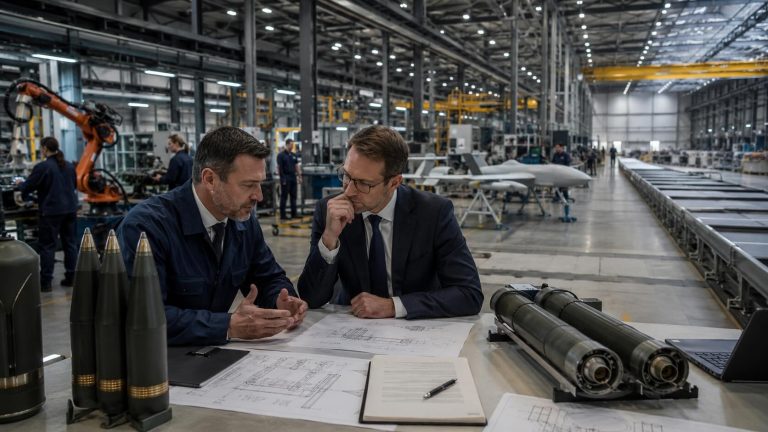
The conflict with Iran — and, indeed, the broader pattern of recent warfare — has exposed an uncomfortable truth for Europe’s traditional defence champions. The battlefield is changing faster than the industry built to supply it. Expensive platforms, from armoured vehicles to advanced artillery systems, are increasingly vulnerable to far cheaper, highly adaptable technologies. Chief among these are drones.
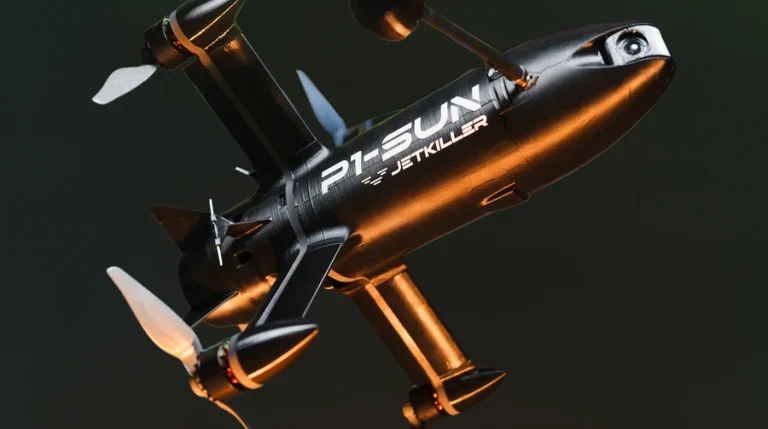
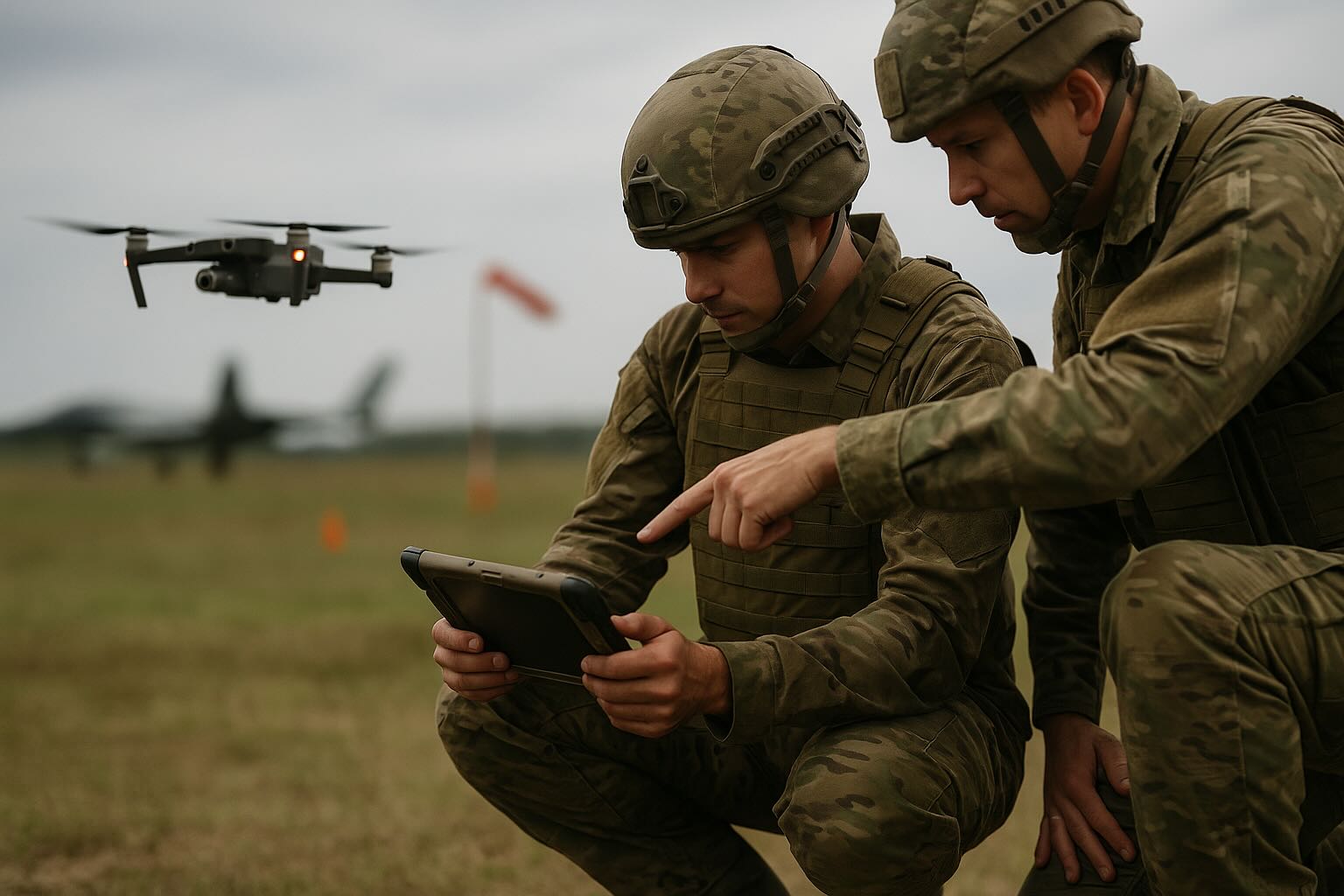
What has startled investors is not simply the effectiveness of such systems, but their cost. A relatively inexpensive drone can disable equipment worth millions. The implication is stark: future wars may not reward those companies most adept at producing heavy, high-value hardware, but those capable of scaling nimble, low-cost solutions.
This realisation has cast a shadow over some of Europe’s best-known defence names. Companies such as Rheinmetall and Saab, which had previously benefited from surging demand, have seen their share prices retreat as investors reconsider whether their product mix aligns with the conflicts of tomorrow.
There is also the more prosaic matter of delivery. Despite political rhetoric about rearmament, the translation of defence budgets into firm orders has proved slower than anticipated. Fiscal pressures, particularly in countries such as France and Britain, have introduced delays and diluted expectations of rapid expansion.
Europe’s defence industry, moreover, is grappling with structural limitations that predate the current moment. Decades of underinvestment have left production capacity constrained. Even as governments pledge increased spending, manufacturers have struggled to scale output at the required pace.
This mismatch between ambition and execution has not gone unnoticed by investors. The result is a more cautious, selective approach to the sector.
And yet, to declare the end of the defence boom would be premature. Beneath the surface turbulence, there are signs that capital has not deserted the sector so much as become more discerning.
Fund flows into defence-related exchange-traded funds remain positive. The WisdomTree Europe Defence ETF, for instance, has attracted over $1.3 billion in inflows so far this year, with a notable acceleration since the onset of the Iran conflict. Such figures suggest that, while broad enthusiasm has cooled, conviction in the long-term case endures.
That case rests on fundamentals that have not materially changed. Europe is still engaged in the most significant rearmament effort in decades. NATO members continue to raise defence budgets, driven by a recognition that the geopolitical environment has grown more dangerous, not less.
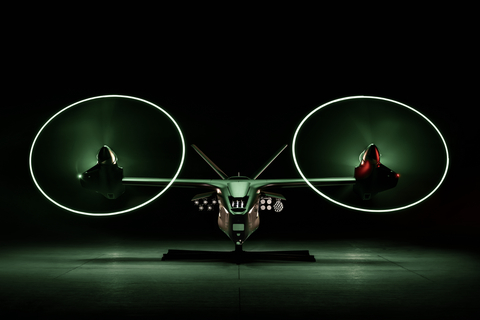
Indeed, if anything, the recent correction may serve to sharpen the industry’s focus. Companies are already pivoting towards new technologies, investing in drone capabilities and autonomous systems in an effort to remain relevant in a rapidly evolving landscape.
The market, in this sense, is performing a useful function. By tempering exuberance, it is forcing a reassessment of what constitutes a “winner” in modern warfare. The answer, increasingly, lies not in scale alone, but in adaptability.
There is a broader lesson here, too, about the nature of thematic investing. The notion of defence stocks as a straightforward proxy for geopolitical risk was always an oversimplification. Wars do not merely increase demand; they reshape it. Technologies emerge, doctrines evolve, and yesterday’s assumptions can quickly become obsolete.
For investors, the challenge is to navigate this complexity without succumbing to either undue pessimism or blind optimism. The recent sell-off may feel abrupt, but it reflects a more nuanced understanding of the sector’s prospects.
Europe’s defence companies are not in decline. Rather, they are at a crossroads.
The easy gains — driven by the initial shock of war and the rush to rearm — have largely been made. What comes next will depend on how effectively the industry adapts to a new era of conflict, one defined less by brute force and more by technological ingenuity.
In that sense, the cooling of defence stocks is not a sign of weakness, but of maturation. The market is no longer content to buy the idea of war. It now demands a clearer vision of how that war will be fought — and by whom.
The New Defence Sector Investment Cycle: Why “Must-Own” Stocks Are Anchoring Portfolios in 2026