Russia’s invasion of Ukraine, combined with growing uncertainty about long-term American reliability, has abruptly ended that complacency.
Today, Britain’s defence industry finds itself in a paradoxical position. On the one hand, it remains one of the world’s leading exporters of military equipment, home to globally respected firms and advanced technological expertise. On the other, the British armed forces remain heavily dependent on imported components, munitions and foreign-designed platforms in several critical areas.
The result is a sector that is simultaneously impressive and exposed.
Britain’s strengths remain formidable. The country continues to excel in high-end aerospace, naval engineering, electronic warfare and nuclear submarine technology. BAE Systems sits at the centre of this ecosystem, operating across combat aviation, naval shipbuilding, cyber systems and armoured vehicles. The company reported record sales and a swelling order backlog in 2025, reflecting the broader surge in European defence spending.
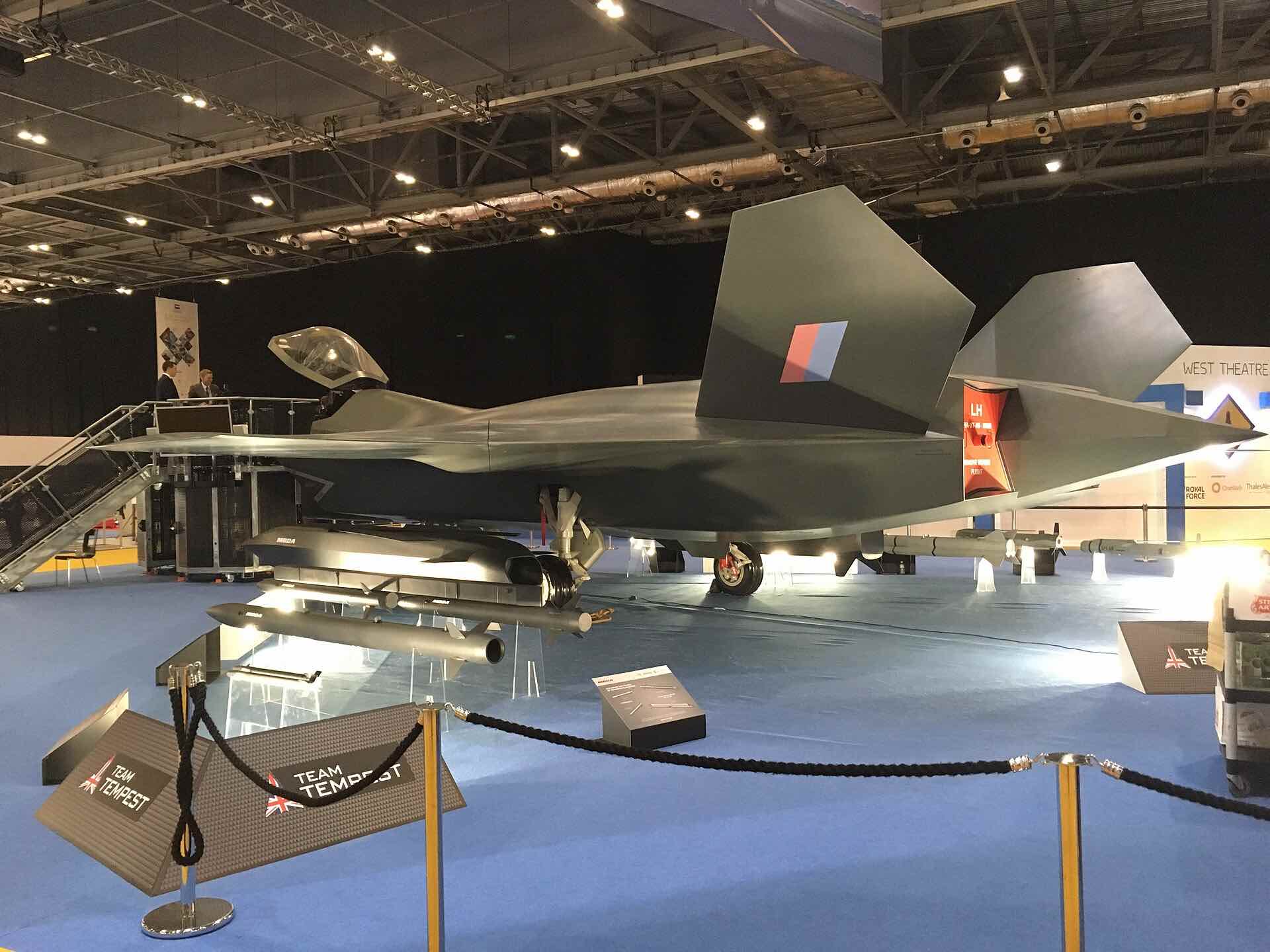
The UK also retains world-class capabilities in radar systems, intelligence technologies, propulsion engineering and complex weapons integration. British firms are deeply embedded in multinational programmes such as the Eurofighter Typhoon and the future Tempest fighter initiative, while the Royal Navy’s submarine enterprise remains among the most sophisticated anywhere outside the United States.
Shipbuilding has experienced a notable revival. Britain’s Type 26 frigate programme has become an export success, most notably through Norway’s decision to purchase the platform in a deal worth more than €11bn. The exportability of British naval design is no accident: the UK remains particularly adept at combining advanced engineering with alliance interoperability.
Defence exports, accordingly, are booming. Official statistics published by the Ministry of Defence show a sharp rise in overseas orders, while 2025 reportedly marked the highest value of defence exports in more than four decades. Major contracts involving fighter aircraft, frigates and advanced systems pushed annual export values beyond £20bn, according to industry estimates.
That matters economically as much as strategically. Defence manufacturing sustains tens of thousands of highly skilled jobs across northern England, Scotland, Wales and the south-west. In an era when Britain struggles to define a coherent industrial strategy, defence has quietly become one of the few sectors where the country still competes globally at the highest technological level.
Yet beneath the headline figures lies a more uncomfortable reality.
Britain can design sophisticated weapons systems, but it cannot always manufacture the underlying supply chain independently. Ammunition provides the clearest example. The war in Ukraine exposed how quickly Western stockpiles could be depleted and how fragile European production capacity had become after decades of underinvestment.
The UK military remains dependent on foreign suppliers for several critical materials used in artillery shell production, including explosives and propellants historically sourced from the United States and France. The government and industry are now scrambling to rebuild sovereign manufacturing capacity. BAE Systems has invested heavily in new synthetic propellant technologies and expanded shell production facilities, with the aim of reducing foreign dependence and dramatically increasing output.
The challenge extends beyond ammunition. Britain’s air power increasingly relies on American platforms such as the Lockheed Martin F-35 Lightning II, while key missile systems and electronics often incorporate US technology subject to export restrictions. Even where systems are assembled domestically, the supply chains are deeply international.
This is not necessarily unusual in modern defence manufacturing; few countries achieve total autonomy. But Britain’s vulnerability is sharpened by the relatively small size of its armed forces and the limited depth of its stockpiles. Several former military chiefs have warned that the UK lacks sufficient reserves of consumable weaponry for sustained high-intensity conflict.
There is also a financial contradiction at the heart of British defence policy. Ministers increasingly speak the language of industrial resilience and strategic autonomy, yet procurement decisions continue to prioritise short-term cost control. The Treasury remains instinctively cautious about long-term industrial commitments, even as European allies move more aggressively to secure domestic production.
That tension partly explains why Britain’s defence industry often appears healthier abroad than at home. Export customers are ordering warships and aircraft at scale, while the Ministry of Defence itself continues to wrestle with budgetary uncertainty and procurement delays.
Still, the broader direction of travel is unmistakable. The geopolitical assumptions that shaped Britain’s defence posture after 1991 have collapsed. European rearmament is accelerating, NATO members are increasing spending commitments, and governments are rediscovering the strategic importance of industrial capacity.
For Britain, this creates both an opportunity and a test.
The opportunity lies in leveraging genuine technological strengths — particularly in aerospace, naval systems, cyber capabilities and advanced weapons integration — into a larger and more resilient industrial base. The test lies in whether the country is willing to rebuild the less glamorous foundations: explosives plants, machine tooling, component manufacturing and long-term procurement planning.
Britain remains one of the few European nations capable of designing and exporting top-tier military systems. That is no small achievement. But modern warfare is as much about industrial endurance as technological sophistication. In Ukraine, the decisive metric has often been not elegance but volume.
The British defence industry has rediscovered demand. The question now is whether Britain itself is prepared to rediscover strategic patience.
Main Image: Door Swadim – Eigen werk, CC BY-SA 4.0, https://commons.wikimedia.org/w/index.php?curid=82612604
BAE Systems Signals Confidence as Global Security Crisis Fuels Defence Boom