



France’s trial of the AI-powered Arcadia battlefield command system points to a wider European defence challenge: strategic autonomy will depend not only on higher military spending, but on control over the technologies, intellectual property and decision-making systems that underpin modern…
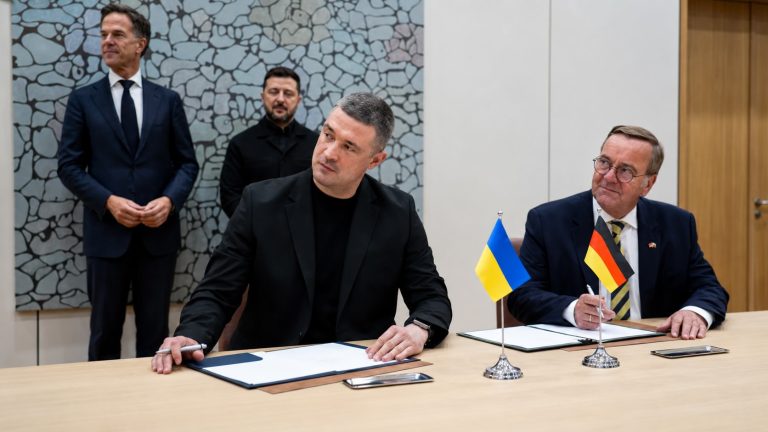
Kyiv’s agreement with Berlin on anti-ballistic capabilities comes as Ukrainian defence manufacturers seek European industrial partners for systems intended to reduce reliance on scarce US-made interceptors. Ukraine and Germany have signed an agreement to develop anti-ballistic capabilities, placing missile defence…
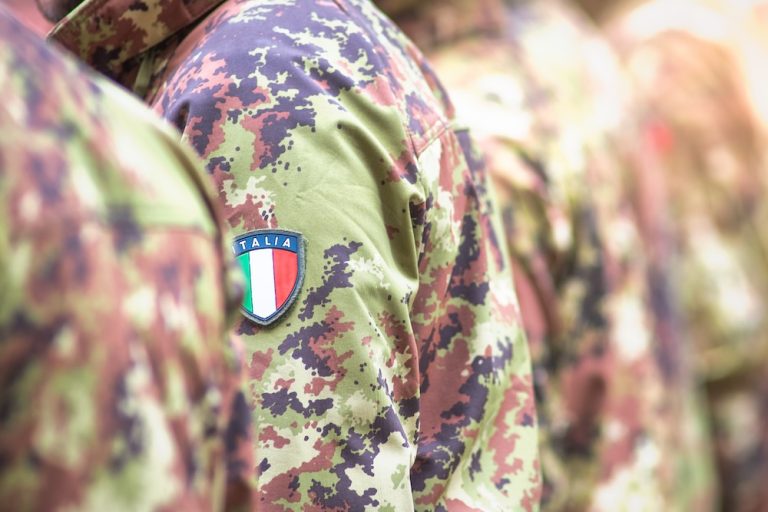
The Court of Justice of the European Union has ruled that Italy’s compulsory Covid-19 vaccination requirement for military personnel did not breach EU anti-discrimination law, in a judgment clarifying the legal scope of personnel rules for armed forces. The Court…
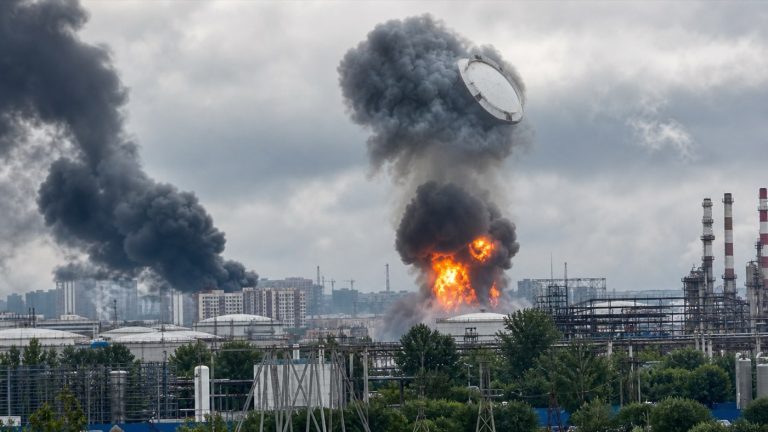
Ukraine’s 18 June drone strike on Moscow’s Kapotnya oil refinery suggests Kyiv’s long-range campaign is moving beyond symbolic raids towards pressure on Russia’s domestic fuel supply and the credibility of air defences around the capital. Ukraine’s drone strike on a…
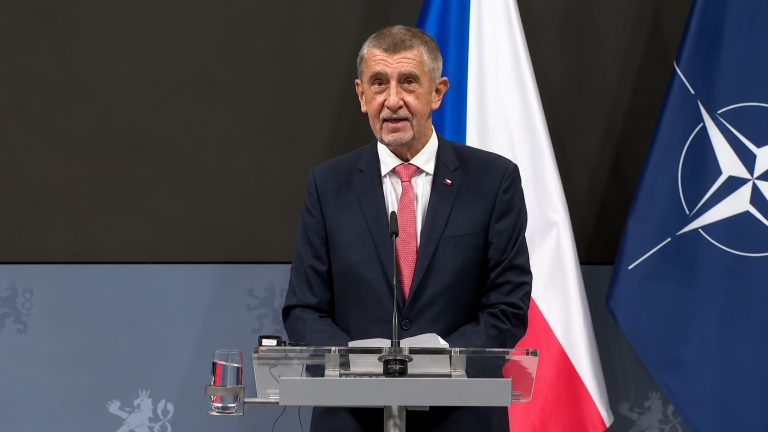
The Czech Republic’s decision to miss NATO’s defence spending target for yet another year could hardly come at a worse moment for the Atlantic alliance. At a time when Russia’s war against Ukraine continues to reshape Europe’s security landscape and…

Britain’s plan to supply Ukraine with 150,000 drones by the end of 2026 shows how proceeds from immobilised Russian sovereign assets are being converted into battlefield hardware, linking sanctions policy directly to defence procurement. Britain’s pledge to provide Ukraine with…
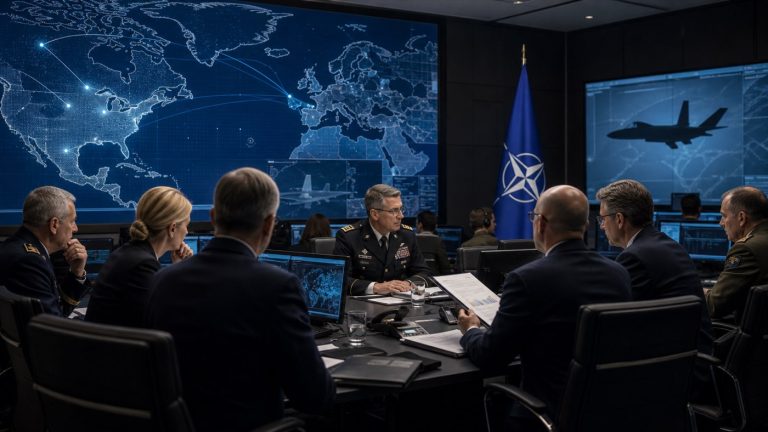
NATO’s Nuclear Planning Group has agreed to modernise the alliance’s nuclear capabilities and strengthen planning capacity, moving deterrence policy from reassurance language into practical adaptation as Russia pressure and US burden-sharing demands converge. NATO’s decision to modernise its nuclear capabilities…

Donald Trump and Iran’s Masoud Pezeshkian have signed an initial memorandum to end the war, but the 14-point deal leaves the hardest questions over sanctions, nuclear monitoring, Hormuz shipping and Lebanon to a short negotiating window. The United States and…
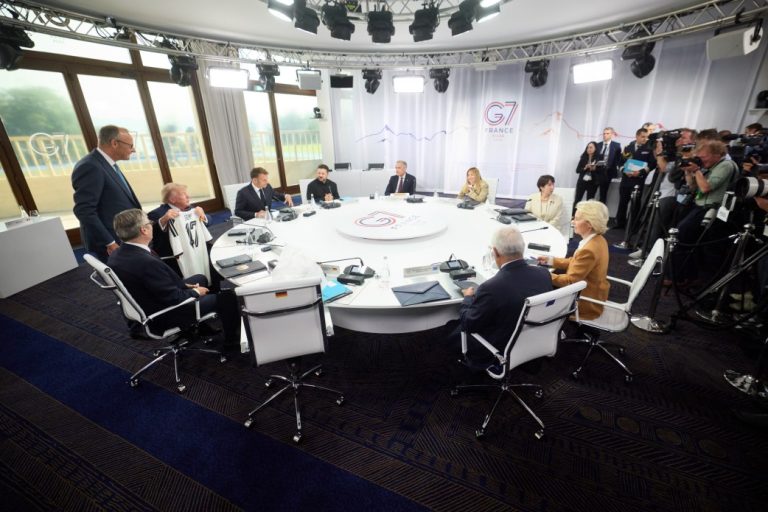
G7 support for licensed production of air-defence and long-range weapons would move Ukraine’s military supply model beyond emergency deliveries. The question is whether Western governments and defence companies can convert political approval into factory output quickly enough. Western support for…
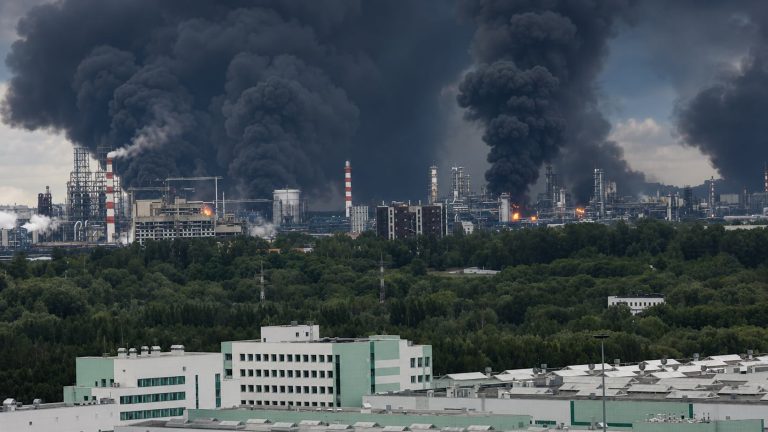
A strike on the Kapotnya refinery has again exposed the vulnerability of Russia’s fuel infrastructure, with Moscow airports disrupted during one of the largest recent drone attacks on the capital. Ukrainian drones struck the Moscow Oil Refinery in Kapotnya early…