Western support for Ukraine is beginning to move from the transfer of weapons to the licensed production of them, as Kyiv seeks to reduce its dependence on intermittent deliveries of missiles, interceptors and air-defence systems.
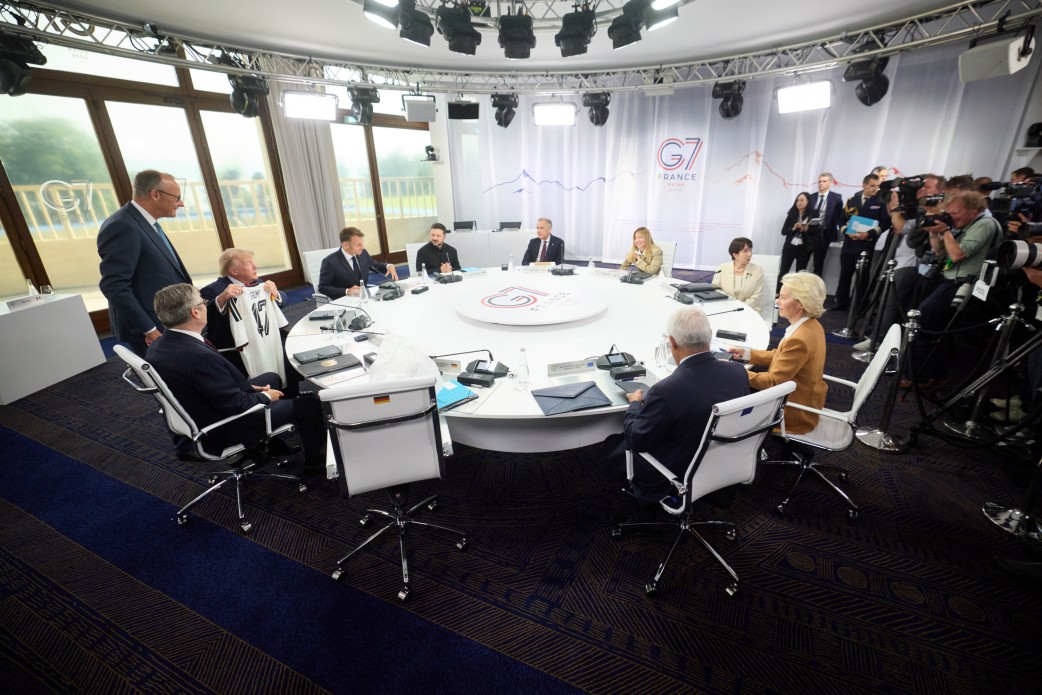
The shift emerged around Ukraine’s discussions with G7 partners, where Kyiv pressed allies for licences to produce anti-ballistic missiles, air-defence systems and other long-range capabilities. President Volodymyr Zelenskyy’s office said the talks covered strengthening Ukraine’s air defence, granting production licences, supporting energy resilience and increasing pressure on Russia.
For Ukraine, the issue is no longer only how many systems allies can send from existing stocks. It is whether those systems, or at least critical parts of them, can be produced closer to the battlefield and in sufficient volume to sustain a long war.
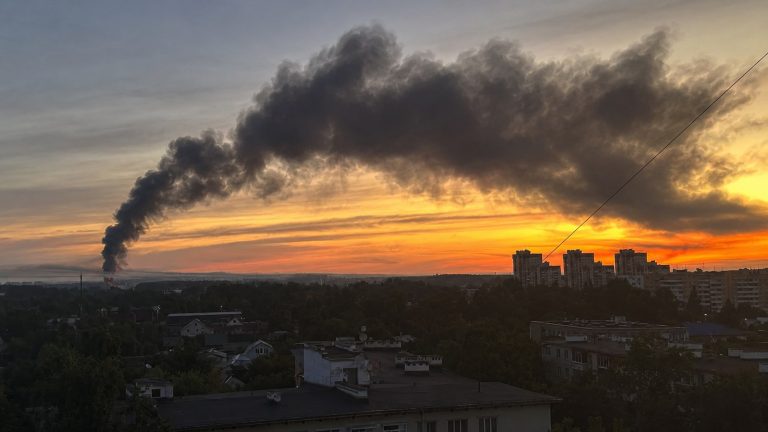
The immediate military requirement is clear. Russia has continued large-scale missile and drone attacks on Ukrainian cities, energy sites, military facilities and industrial infrastructure. Ukraine has improved its ability to intercept drones and some missiles, but the most difficult threats, particularly ballistic missiles, require advanced systems and expensive interceptors.
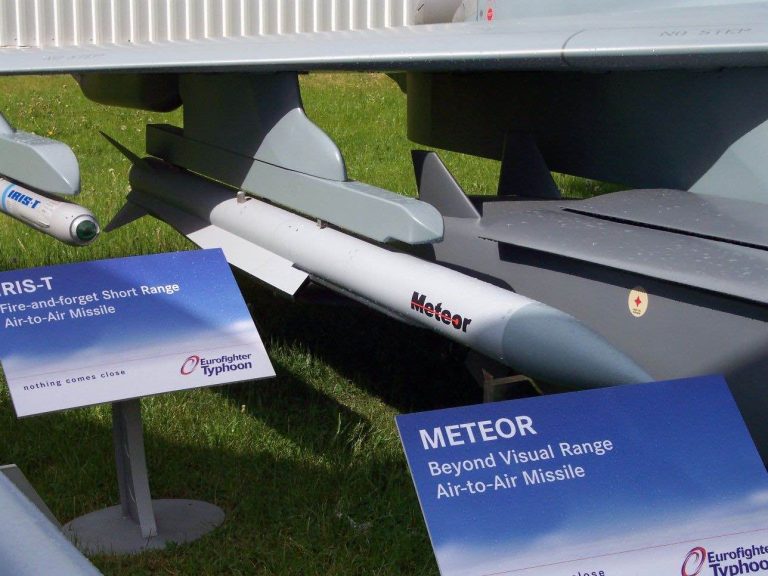
Those interceptors are scarce. Patriot missiles, in particular, have become one of the most politically sensitive items in Ukraine’s defence supply chain. They are costly, produced in limited numbers and also required by other US allies. When Ukraine asks for more air defence, it is not only asking for launchers. It is asking for a sustained flow of missiles that Western industry has not been able to provide at the required pace.
Licensing production is one way to address that gap. If Ukrainian or European companies are allowed to manufacture selected Western-designed systems, the supply model could gradually become less dependent on periodic political decisions and stockpile drawdowns. It would also give Ukraine a more predictable basis for planning its air-defence network and long-range strike capacity.
The proposal is not limited to defensive systems. Ukrainian officials have also raised the need for longer-range weapons, alongside air-defence assets. That would mark a more sensitive stage in Western support, because it would raise questions about range, targeting, export-control rules and the degree of involvement of Western firms in weapons used beyond Ukraine’s borders.
For European governments, the licensing route has appeal. It allows them to support Ukraine’s military resilience without relying only on their own depleted arsenals. It also fits the wider European debate on defence-industrial expansion, in which governments have promised higher spending but still face bottlenecks in production capacity, skilled labour, explosives, rocket motors, guidance systems and air-defence components.
The difficulty is that licensing is not the same as delivery. Even where political approval exists, production requires contracts, intellectual-property arrangements, security controls, supply chains, quality certification and protection of manufacturing sites from Russian attack. Ukraine has already dispersed parts of its defence industry to reduce vulnerability, but producing advanced missile systems under licence would require a higher level of industrial security and technical supervision.
There is also a timeline problem. Ukraine needs interceptors now. Licensed production may help reduce shortages over the medium term, but it will not immediately solve the pressure on existing air-defence units. For that reason, Kyiv is also seeking additional direct military aid, including support through NATO’s Prioritised Ukraine Requirements List, which was created to help match Ukraine’s most urgent battlefield needs with allied contributions.
The licensing discussion therefore reflects a wider change in the war. Ukraine’s allies are no longer dealing only with a crisis of supply. They are dealing with the need to build a production system capable of outlasting Russia’s missile campaign and sustaining Ukraine’s defensive and offensive capacity over years rather than months.
That has implications for Europe’s defence industry. If Ukrainian production becomes integrated with European firms, Ukraine could move from being mainly a recipient of aid to becoming part of a broader European wartime production base. That would have consequences for future procurement, standardisation, technology transfer and post-war security arrangements.
The political risks are also clear. Russia is likely to treat licensed production of Western-designed missiles in Ukraine as further evidence of direct Western involvement. European governments will have to balance the need to strengthen Ukraine with the management of escalation risks and domestic scrutiny over the transfer of sensitive technology.
For Kyiv, however, the logic is straightforward. A country facing repeated missile and drone attacks cannot rely indefinitely on emergency shipments from allies whose own stockpiles are limited. It needs production depth, technological access and the ability to replace what it fires.
The emerging G7 position suggests that Ukraine’s partners recognise the problem. The next test is practical rather than declaratory: whether licences, contracts and production lines can be put in place quickly enough to change the balance in Ukraine’s air defence before shortages impose new costs on the battlefield.