At a time when Russia’s war against Ukraine continues to reshape Europe’s security landscape and NATO members are debating even more ambitious military commitments, Prague has chosen to move in the opposite direction.
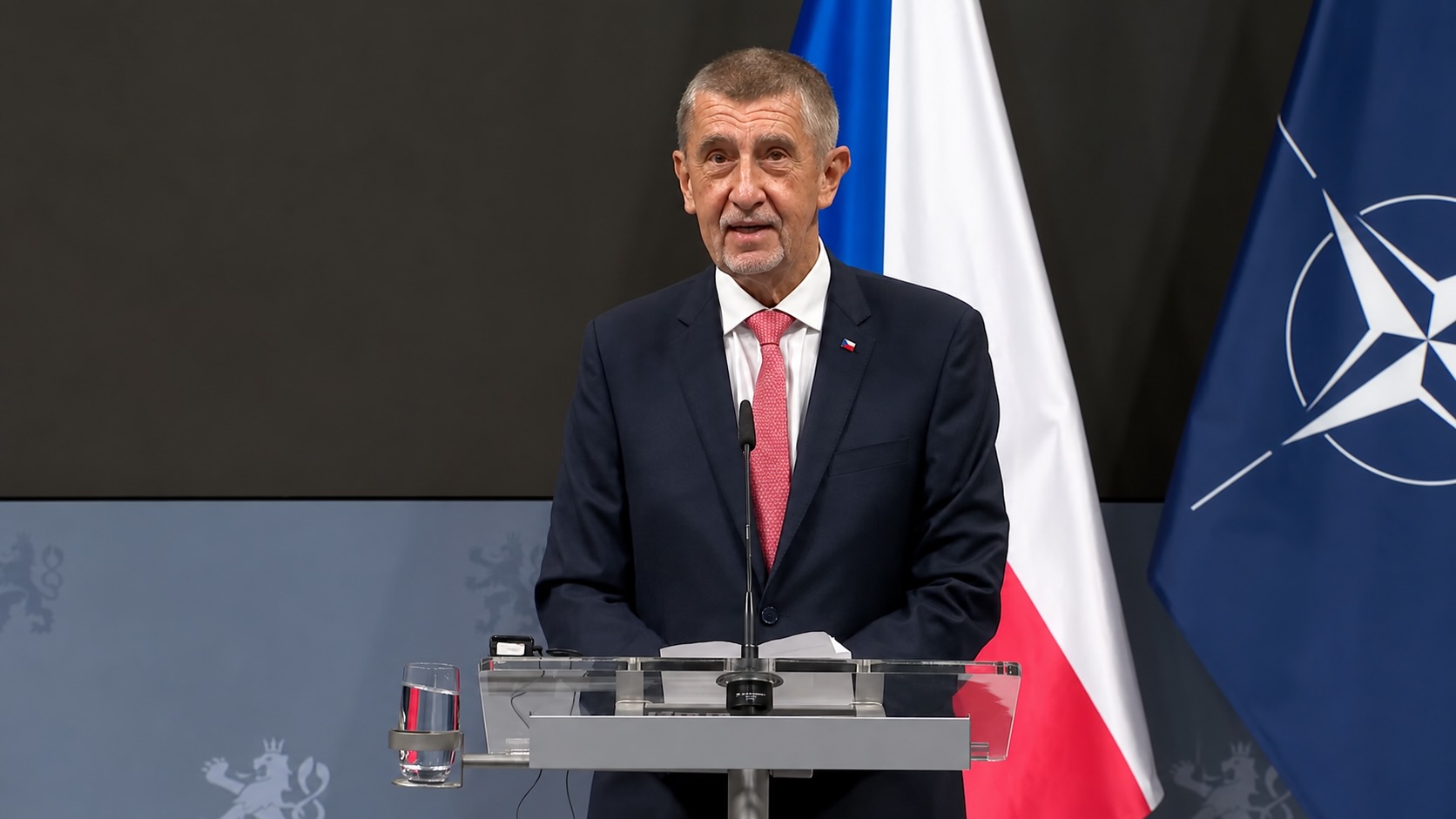
Prime Minister Andrej Babiš confirmed that Czech defence spending will reach only around 1.7-1.8 per cent of GDP this year, below NATO’s long-established benchmark of 2 per cent. The government argues that fiscal discipline, energy subsidies and infrastructure investment must take precedence over military expenditure. Yet however defensible those domestic priorities may appear in Prague, the political consequences abroad are likely to be severe.
The immediate reaction in Washington is unlikely to be sympathetic.
For years, President Donald Trump has argued that Europe has become excessively dependent on American military protection while failing to honour its own commitments. During both his first and second presidencies, Trump repeatedly questioned why American taxpayers should continue financing a security umbrella for prosperous European nations unwilling to spend adequately on their own defence. Recent statements from senior members of his administration suggest that frustration has only intensified. Defence Secretary Pete Hegseth has openly criticised what he regards as European “free-riding”, while NATO discussions increasingly focus on shifting greater responsibility to European capitals.
Against that backdrop, the Czech announcement is almost tailor-made to aggravate both Trump and the American public.
The uncomfortable reality for European leaders is that many ordinary Americans increasingly share Trump’s scepticism. They see European countries enjoying generous welfare systems, extensive public services and large infrastructure programmes while simultaneously relying on the United States to provide a significant share of NATO’s military muscle. Whether that perception is entirely fair is almost beside the point. In politics, perceptions matter, and Prague’s decision risks reinforcing precisely the narrative that has gained traction across Washington.
What makes the situation particularly striking is the wider NATO context. Alliance members are no longer debating whether to spend 2 per cent of GDP on defence. The discussion has moved far beyond that. NATO governments are increasingly working towards much higher long-term targets, with growing recognition that Russia’s aggression has fundamentally altered Europe’s security requirements. Several countries that once lagged behind are now accelerating military investment at remarkable speed. Italy, for example, recently announced a substantial increase in defence spending despite facing its own fiscal pressures.
The Czech Republic, by contrast, risks appearing as though it is still debating yesterday’s commitments while the rest of the alliance prepares for tomorrow’s threats.
This is not merely a symbolic problem. Trust remains one of NATO’s most valuable strategic assets. The alliance functions because member states believe their partners will fulfil both military and political obligations. When governments repeatedly miss agreed targets, questions inevitably arise about credibility and reliability. President Petr Pavel, himself a former senior NATO military commander, has previously warned that reduced defence spending does not correspond to the growing threats facing Europe. American officials have expressed similar concerns.
Mr Babiš insists that Prague remains committed to reaching NATO goals over the longer term and argues that military capabilities matter more than accounting exercises. There is merit in the argument that spending percentages alone do not guarantee military effectiveness. Wasteful procurement programmes can inflate budgets without improving security. Nevertheless, targets exist for a reason. They provide measurable evidence of political commitment and burden-sharing.
The deeper concern is that the Czech decision arrives precisely when the United States is signalling that the era of unlimited American support for Europe may be ending. Washington has already indicated that European allies should prepare to assume greater responsibility for their own defence in future crises. In that environment, decisions to reduce military spending carry consequences that extend well beyond national budgets.
Prague may calculate that domestic voters care more about roads, energy bills and balanced budgets than NATO spending ratios. That may well be true. But the diplomatic cost could prove substantial. Every missed target strengthens those in Washington who argue that Europe remains unwilling to pay for its own security.
And every such decision makes it easier for Donald Trump to claim that he was right all along.
Pete Hegseth’s Hard Truth: Europe’s Free Ride on Defence Is Over