The United States and Iran have signed an initial agreement to end their war, but the deal is less a final settlement than a high-risk 60-day test of whether a ceasefire can be turned into a durable regional bargain.
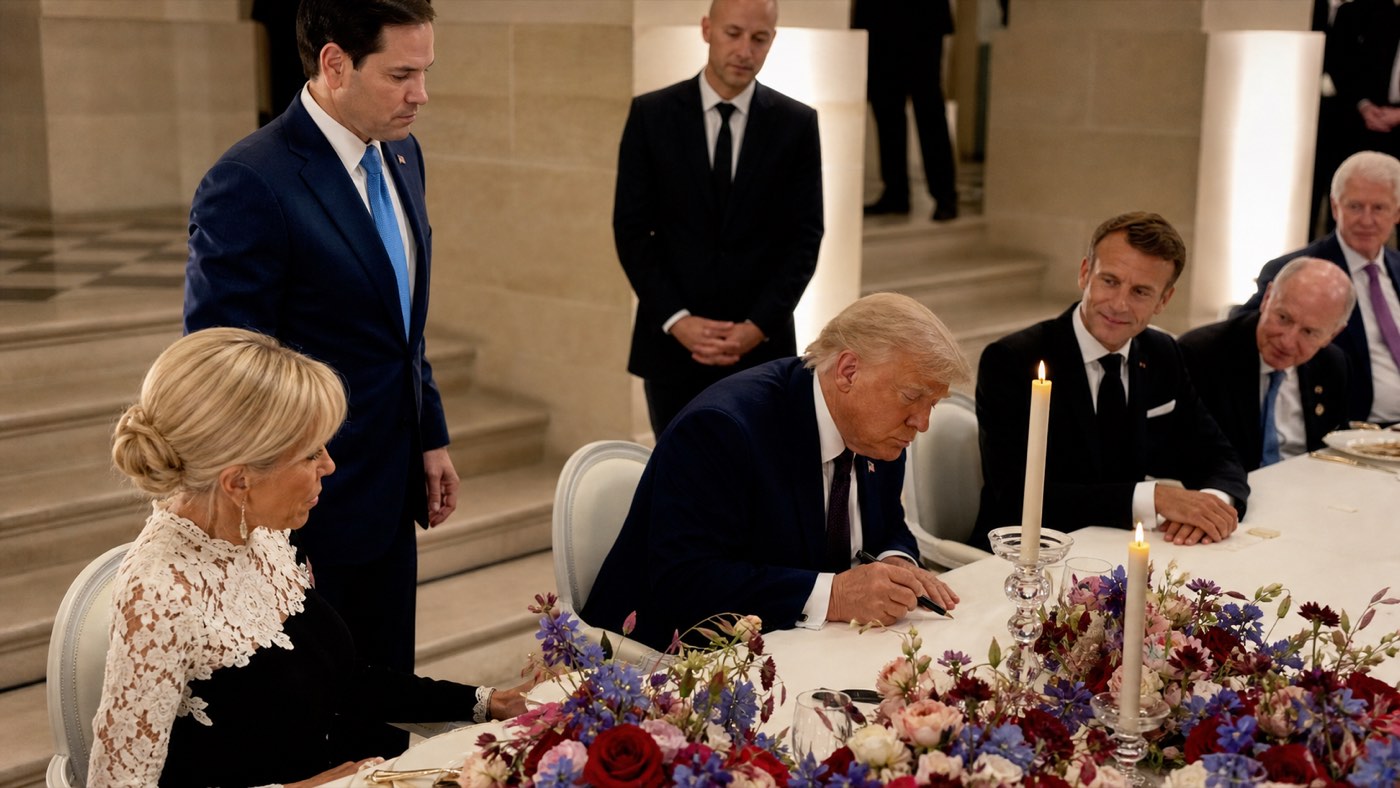
US President Donald Trump and Iranian President Masoud Pezeshkian have both signed a 14-point memorandum of understanding. Trump signed a hard copy of the document, while images released by Iranian official sources showed Pezeshkian signing on behalf of Iran.
The agreement is now in effect, although an official signing ceremony with US and Iranian representatives had previously been expected in Switzerland. Iran says further talks remain under consideration, while Switzerland has indicated that US and Iranian representatives, along with mediators including Pakistan and Qatar, are still expected to meet at Buergenstock for initial implementation talks.
The memorandum commits both sides to negotiating a final agreement within a maximum of 60 days, extendable by mutual consent. That deadline is the central weakness of the deal. It stops the war for now, but leaves the most difficult questions unresolved.
One of the most immediate provisions concerns the Strait of Hormuz, the key maritime route through which a major share of global oil and gas trade passes.
Under the agreement, the US will begin removing its naval blockade and fully end it within 30 days. Iran, separately, says it will use its “best efforts” to ensure the safe passage of commercial vessels through Hormuz without charge for 60 days.
That wording matters. The deal does not remove the strategic leverage Iran has discovered during the conflict. It temporarily suspends it.
The war has taught Tehran that the Strait of Hormuz can be used as a powerful weapon. Unlike a nuclear deterrent, which is largely about threat and restraint, disruption in Hormuz can immediately affect shipping, insurance, oil prices and global inflation.
Markets reacted quickly. Brent crude had fallen to about $77.90 a barrel after the signing, down from around $86.80 earlier in the week. But if the 60-day window expires without a durable arrangement, energy markets may again price in the risk of Iranian fees, restrictions or renewed disruption.
The nuclear file remains the most important unresolved issue.
Iran has reaffirmed that it will not procure or develop nuclear weapons, but the memorandum leaves major details for future talks. The two sides have agreed to discuss enrichment and other matters related to Iran’s nuclear needs.
That is not the same as a comprehensive nuclear agreement. The framework refers to “down-blending” Iran’s stockpile of uranium enriched to around 60%, but does not meet Trump’s previous demand that the material be shipped to the United States.
International Atomic Energy Agency director Rafael Grossi said the agency is ready to work on “concrete steps” and has a good idea of the places and issues it would need to access. But technical monitoring arrangements have not yet been settled.
That makes the next 60 days unusually compressed. The 2015 nuclear deal took far longer to negotiate. This framework asks the US, Iran and international inspectors to define the core verification mechanisms in a fraction of that time.
The agreement also contains major economic inducements for Iran.
The memorandum says the US will terminate sanctions against Iran and issue waivers for the export of Iranian crude oil, petroleum products and related services until sanctions termination is complete. It also commits the US to making frozen or restricted Iranian funds and assets fully available for use.
Perhaps most strikingly, the agreement refers to a plan, developed with regional partners, for at least $300bn in reconstruction and economic development funding for Iran.
That provision is already politically sensitive in Washington. Some Republicans have criticised the deal as appeasement, while others have backed it as a route to economic stability and lower oil prices. US Defence Secretary Pete Hegseth warned that Washington is ready to reimpose an “ironclad blockade” if Iran does not comply.
The first point of the memorandum calls for the “immediate and permanent termination of military operations on all fronts, including in Lebanon.”
That clause may prove one of the hardest to enforce.
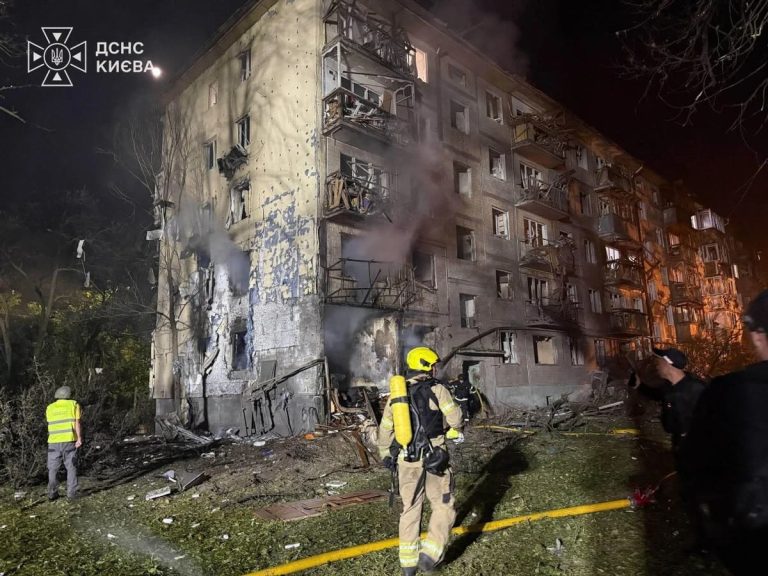
Israeli forces continue to operate in southern Lebanon. Lebanese media have reported Israeli strikes despite the memorandum. A senior Israeli official told Reuters that “stubborn negotiations” are continuing between the US and Israel over Lebanon, and that Israel does not intend to back down from its position in the south.
Prime Minister Benjamin Netanyahu has not publicly responded to the agreement. Some Israeli political figures have already signalled that Israel does not consider itself bound by a US-Iran arrangement that it did not directly join.
That means Lebanon could become the first major stress test of the MOU. If fighting continues there, Iran may argue the agreement has been breached. If the US cannot restrain Israeli operations, Tehran may question the value of the wider framework.
The agreement gives both sides immediate benefits. Trump can claim he has ended the war and reopened Hormuz. Iran gains oil-export waivers, the promise of sanctions relief, access to frozen assets and a reconstruction pathway, while avoiding immediate dismantling of its nuclear programme.
But the deal also reflects deep distrust. Trump has warned that the US could resume military action if Iran violates the terms. Iranian parliamentary speaker Mohammad Bagher Ghalibaf said distrust of Washington remains and that Iran’s “finger is on the trigger.”
The MOU has stopped the war for now. It has not yet resolved the conflict’s causes.
The next 60 days will decide whether this is the beginning of a settlement or simply a pause created by exhaustion, market pressure and fear of escalation.