 ByDefencematters.eu Correspondents
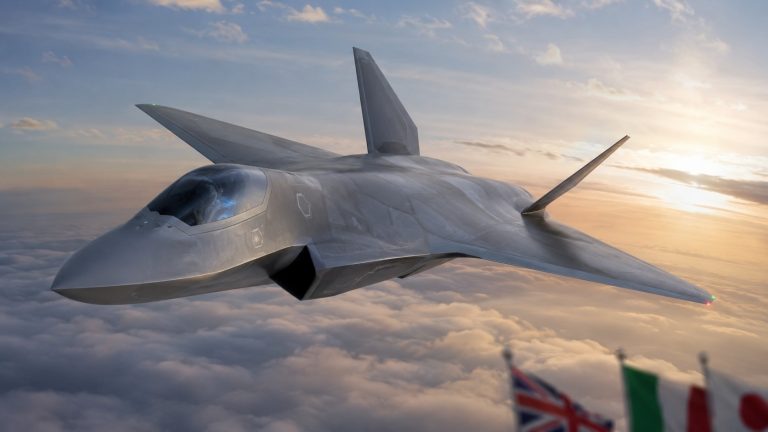
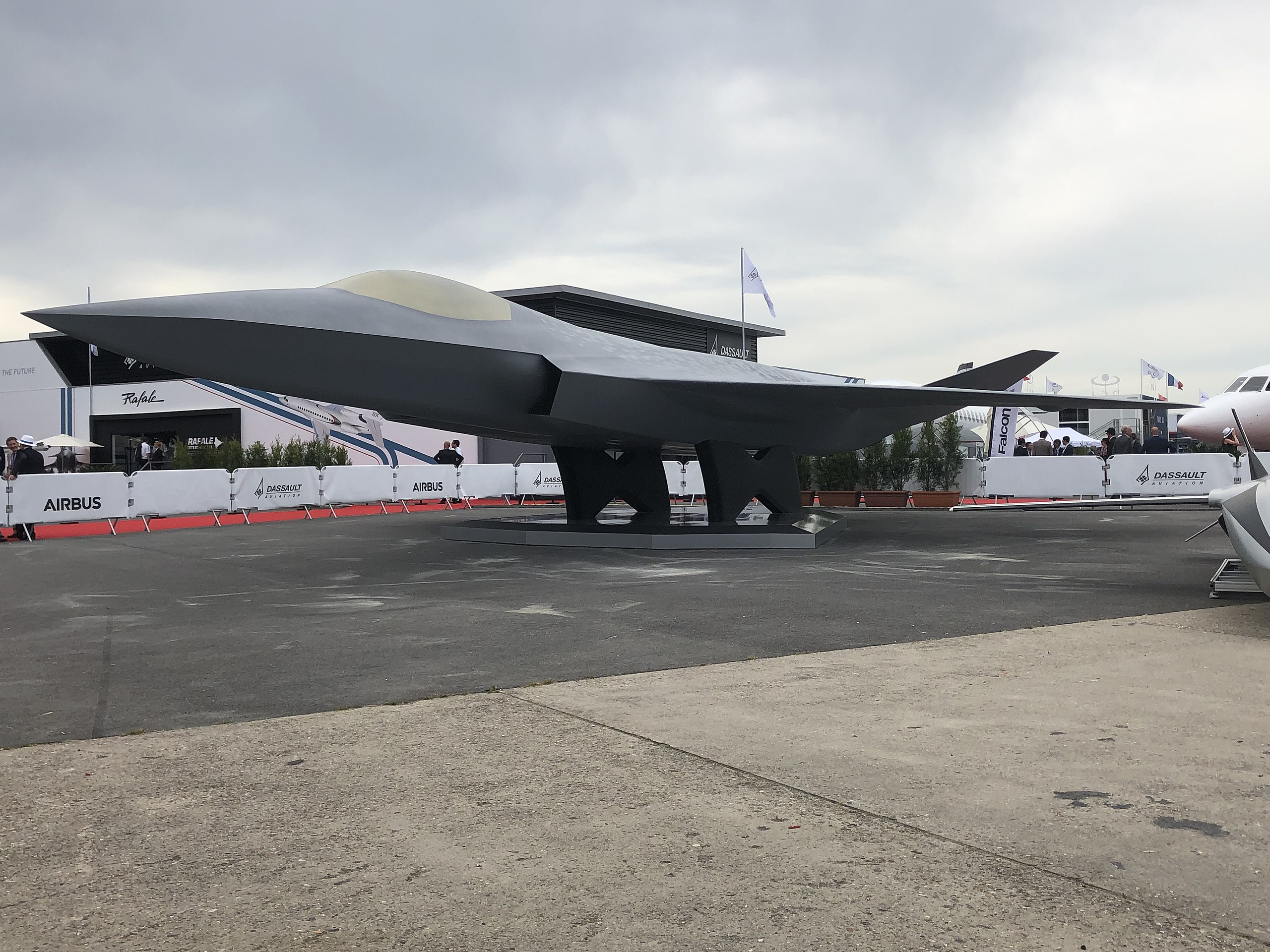
The disagreement centres on the New Generation Fighter (NGF), the crewed aircraft at the core of the wider FCAS architecture. France and Germany launched the programme in 2017, later joined by Spain, with the aim of developing a future air combat system to replace France’s Rafale and Germany and Spain’s Eurofighter fleets from around 2040. Recent remarks by German Chancellor Friedrich Merz and comments from Airbus have cast doubt on whether a single common fighter can still be delivered.
The underlying differences are not new. France requires an aircraft that can operate from an aircraft carrier and support its nuclear deterrent mission. Germany does not operate aircraft carriers and does not maintain national nuclear weapons. Those diverging operational requirements have long complicated efforts to define a common aircraft specification. Merz questioned whether Germany needs the same type of manned sixth-generation fighter as France, and indicated Berlin may reassess the current approach if the requirement profile cannot be reconciled.
That position has sharpened concerns about the future of the programme’s fighter pillar, particularly because FCAS depends on sustained political confidence between Paris and Berlin. The programme has already faced repeated delays and industrial disagreements, especially over leadership, workshare and intellectual property between Dassault Aviation and Airbus Defence and Space. Airbus CEO Guillaume Faury said Airbus could develop a fighter aircraft independently if necessary, while still expressing a preference for continued European cooperation.
The industrial rivalry is central to the current impasse. Dassault, the French manufacturer of the Rafale, has argued that it should lead the fighter element, reflecting France’s combat-aircraft design experience and its specific sovereign requirements. Airbus, which represents strong German and Spanish industrial interests in the project, has resisted arrangements it sees as unbalanced. FCAS is a programme worth about €100 billion and disputes over workshare and technology rights remain unresolved.
At the same time, the current argument should not be read as an automatic collapse of the entire FCAS framework. FCAS is designed as a broader system-of-systems, not only a single aircraft. Alongside the NGF, the programme includes remote carriers (uncrewed platforms) and a digital “combat cloud” intended to connect crewed and uncrewed assets, sensors and weapons in a networked battlespace. These other pillars may continue even if the shared fighter concept is revised or split.
This distinction matters for Europe’s defence planning. Even if France and Germany ultimately pursue separate fighter aircraft, they could in theory retain cooperation on software, networking, drones and other enabling technologies. Airbus has publicly signalled that a two-fighter arrangement within a broader common system may be possible, rather than a complete end to trilateral collaboration with Spain. Reuters reported Faury as open to different outcomes, ranging from substantial commonality between aircraft to a more fragmented result.
Spain’s position adds another layer. Madrid is formally part of FCAS, and Airbus has a strong industrial footprint in Spain. If the NGF pillar were to split between French and German-led tracks, Spain would face choices about alignment, industrial participation and future fleet planning. For now, no final political decision has been announced on abandoning the fighter element, and German Defence Minister Boris Pistorius has said the project’s direction should become clearer soon.
The timing is politically sensitive. European governments are trying to strengthen defence capabilities and reduce reliance on US systems, yet most European NATO members are still buying the American F-35 to meet immediate operational needs. In that context, a public dispute over Europe’s flagship combat-air programme is likely to deepen concerns about the speed, coherence and credibility of European defence industrial cooperation. Merz’s remarks also come at a time of wider debate over whether an expensive manned platform remains the most effective investment, given the pace of technological change.
For now, the most likely outcome appears to be a period of renegotiation rather than an immediate formal termination. The key question is whether France, Germany and Spain can preserve enough common ground to keep FCAS as a shared architecture, even if the original vision of one jointly developed fighter aircraft proves unattainable.
What is now clear is that the dispute has moved from technical and industrial channels into open political signalling. That shift has increased pressure on all three governments to define, in concrete terms, whether FCAS remains a joint fighter programme, a looser collaborative system, or the starting point for parallel national aircraft projects under a European label.