Britain has become a nation governed by announcements rather than achievements. We see strategies launched, initiatives pledged, and transformations and commission reviews announced with almost religious fervour. What we do not see, at least not consistently, is delivery.
Starmer promised to restore seriousness to government after the theatrical chaos of the Conservative years. Yet less than two years into office, his administration already resembles the governments he once mocked: paralysed by internal dissent, obsessed with media management and increasingly detached from political reality.
The timing of this supposed defence revolution is revealing. Labour is gripped by civil war. Andy Burnham circles Westminster like a patient shark. Cabinet allies are manoeuvring. Labour MPs openly discuss succession. Even formerly loyal figures appear to sense weakness at the centre.
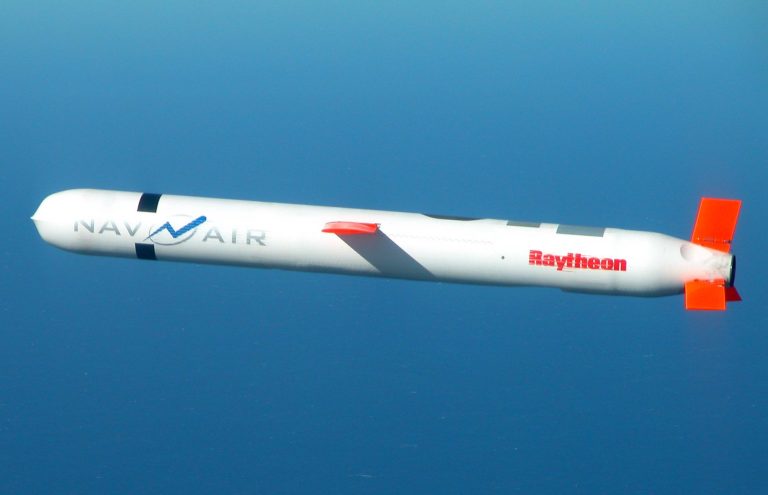
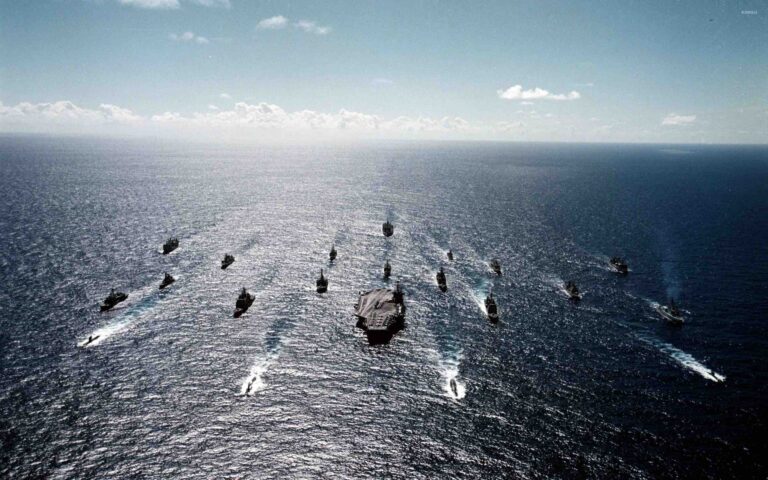
Under such circumstances, Downing Street clearly concluded that wrapping itself in the Union Jack and promising billions for the armed forces might steady the ship. Defence spending always photographs well. Fighter jets, shipyards and patriotic rhetoric provide a useful distraction from collapsing authority. The problem is that Britain has heard all this before.
The Conservatives perfected the art of the phantom military renaissance. Boris Johnson promised the biggest defence settlement since the Cold War. Rishi Sunak pledged Britain would reach 2.5 per cent of GDP on defence. Liz Truss spoke endlessly of military strength and national resilience. Yet throughout those years the Army shrank, recruitment collapsed, ammunition stockpiles dwindled and senior officers privately warned that Britain could not sustain a serious conflict for long. Equipment programmes slipped endlessly behind schedule while Treasury orthodoxy quietly suffocated ambition.
Starmer now appears determined to follow precisely the same script.
The £18 billion figure itself deserves scrutiny. Spread over multiple years, massaged through Treasury accounting and partially absorbed by inflation, it becomes far less dramatic than ministers would like voters to believe. Meanwhile the Ministry of Defence already faces an enormous black hole in its future equipment budget. Even supporters of the reported package acknowledge that it may still fall well short of what is actually required.
And where, exactly, is this money coming from?
Rachel Reeves insists the plans are “fully affordable” without major borrowing or tax increases. That should alarm anyone paying attention. Britain’s public finances are already stretched to breaking point. Growth remains anaemic. Public services are under strain. Welfare costs continue rising. The NHS absorbs money like a black hole absorbs light. If defence genuinely receives tens of billions in additional spending, something else will inevitably pay the price.
That is the part governments prefer not to discuss during the announcement phase.
There is also the small matter of whether Starmer himself survives long enough to implement any of it. Westminster increasingly resembles a government in the final winter of a tired administration rather than one still early in its parliamentary life. Labour’s local election setbacks have deepened panic across the party. Burnham’s popularity among members continues to grow precisely because he appears untouched by the compromises and failures of the Starmer project.
The irony is striking. Starmer once sold himself as the forensic, disciplined technocrat who would restore competence after years of Conservative instability. Instead he presides over factional warfare, collapsing authority and increasingly desperate attempts to regain political momentum. The language may differ from the Johnson era, but the governing method feels strangely familiar: govern by press release, survive by narrative, postpone difficult decisions for another day.
Defence is particularly vulnerable to this kind of politics because the consequences of failure are rarely immediate. Governments can announce future spending targets without having to show immediate results. A hospital either gets built or it does not. A tax rise either happens or it does not. But defence procurement stretches across decades, allowing ministers enormous freedom to promise greatness while quietly delaying delivery.
Britain’s military personnel have become accustomed to this ritual. Every few years politicians rediscover the importance of national security, pose beside tanks and promise renewal. Then Treasury officials reappear, budgets tighten and the promised renaissance quietly evaporates into another strategic review.
One suspects the armed forces themselves will greet this latest announcement with weary scepticism rather than celebration.
Nor is there much evidence that Starmer possesses the political courage necessary to carry through genuinely transformative defence spending. Real military renewal would require difficult trade-offs: higher taxation, deeper borrowing or savage cuts elsewhere. None appear remotely compatible with Labour’s increasingly fragile political position.
And that, ultimately, is why this feels less like a strategic turning point than a panic response to political crisis.
A government confident in its authority does not suddenly unveil enormous spending pledges amid leadership speculation and internal revolt. It certainly does not leak them days before crucial political moments unless survival has become the overriding priority.
Perhaps some additional money will eventually reach the armed forces. Perhaps a few procurement projects will accelerate. But the grand rhetoric of national renewal should be treated with caution. Britain has become dangerously addicted to symbolic politics: the illusion of action replacing action itself.
Starmer may yet survive his internal enemies. He may even limp into the next election. But the notion that Britain is suddenly embarking upon a sustained military renaissance under this government requires a heroic degree of faith.
In modern British politics, headlines are cheap. Rearmament is expensive.