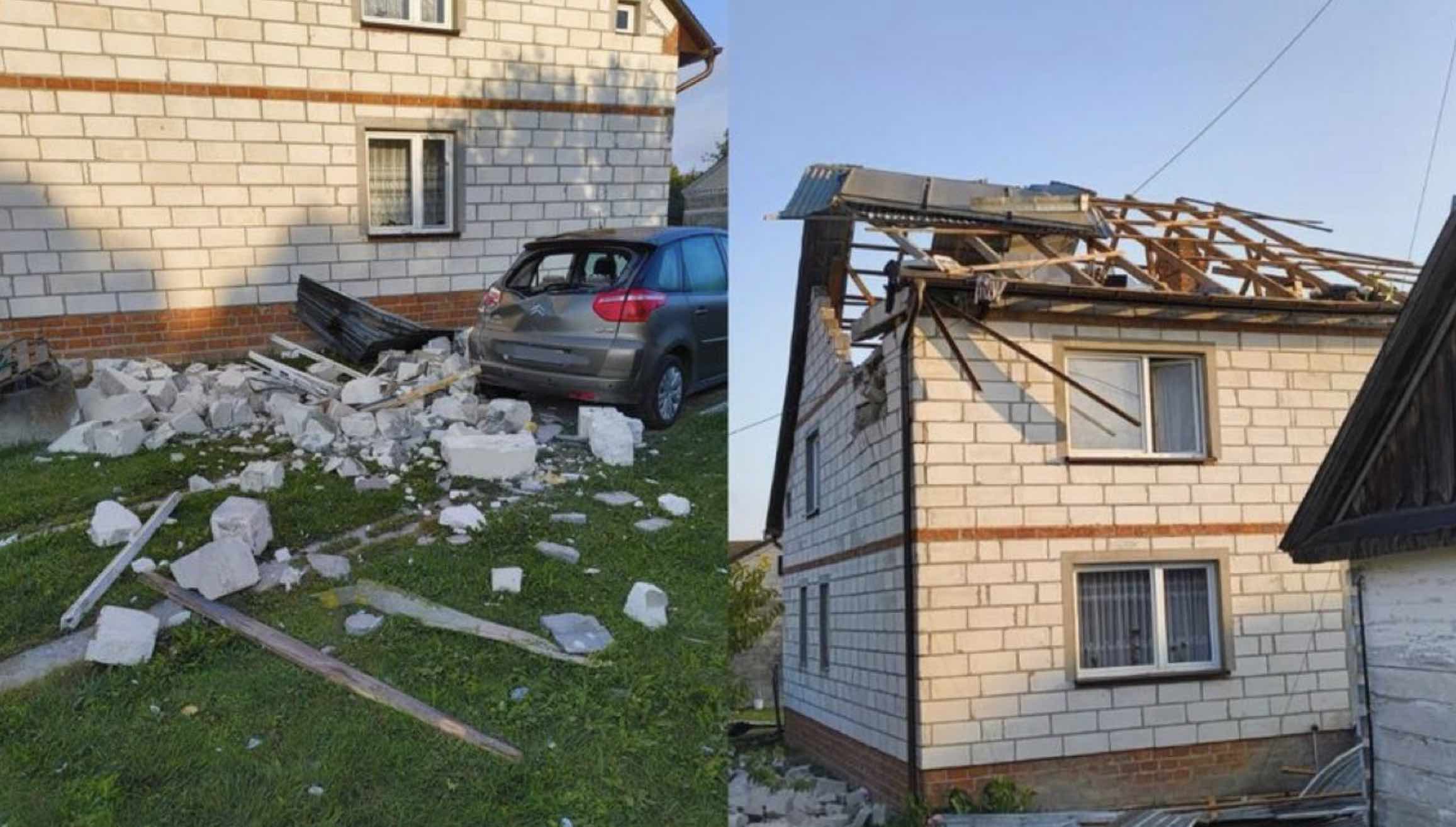
The incident occurred in the village of Wyryki-Wola in Lublin Voivodeship, close to the border with Belarus, amid what Polish authorities described as an “act of aggression” when multiple Russian uncrewed aircraft entered Polish airspace during overnight strikes on Ukraine. Local officials said no one was hurt, though television footage showed extensive damage to the roof. Reuters earlier reported the object that struck the home was initially described as a “drone or similar object”.
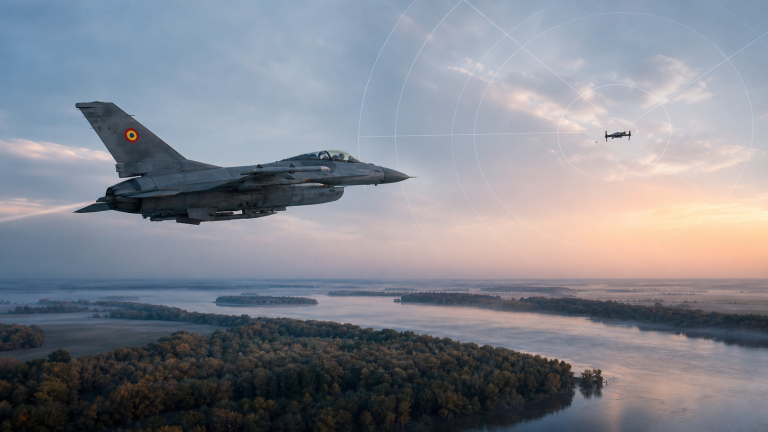
Rzeczpospolita said, citing unnamed sources, that investigators believe the damage was caused by a Polish F-16’s missile that failed to home in on its target while attempting to intercept a drone. The paper reported that guidance had malfunctioned. Other Polish outlets, quoting unofficial information, carried similar accounts while noting that prosecutors have imposed tight restrictions on what can be disclosed during the ongoing inquiry. The Ministry of National Defence has not commented on the specific munition involved.
The District Prosecutor’s Office in Lublin has referred to the item only as an “unidentified flying object”, adding that it has not been identified “as a drone or as drone fragments”. The office said inspections had answered “certain questions”, but determined that information gathered so far would not be released publicly at this stage.
According to local authorities, the occupants were offered temporary accommodation. The mayor of Wyryki, Bernard Błaszczuk, told Polish media that the initial estimate for repairing the roof was about 50,000 zloty, with fundraising under way and first emergency payments already made. Regional outlets also reported a higher preliminary loss valuation of up to 300,000 zloty once wider structural damage was considered.
The strike on the house was the only reported case of property damage inside Poland arising from the 10 September incursion, during which debris and damaged drones were found at several locations in the Lublin region. Police reported separate finds in Czosnówka and near a cemetery in Czeżniki.
Polish and allied aircraft were scrambled during the incident and air-defence systems were placed on heightened readiness. In the days that followed, the government introduced temporary air-traffic restrictions along the country’s eastern border; these measures currently run to 9 December, according to statements reported by international media. Prime Minister Donald Tusk said Poland would respond “adequately” to any future attacks.
NATO has since launched Operation Eastern Sentry, a collective air, sea and land posture to protect the Alliance’s eastern flank and to coordinate interceptions of hostile drones. The operation began on Friday 12 September after Poland raised consultations under Article 4 of the North Atlantic Treaty. Member states have announced contributions of fighter aircraft and supporting assets in the days since.
The United Kingdom said RAF Typhoon jets are being deployed to support Eastern Sentry with authority to engage drones threatening allied airspace. Other allies, including Germany, France, Denmark and the Netherlands, are contributing air assets. Additional national announcements are expected as NATO refines command and control arrangements for the mission.
Polish authorities continue to investigate the Wyryki-Wola impact. While Rzeczpospolita’s account points to a misfired interceptor as the probable cause of the roof collapse, the prosecution’s classification of the object remains unchanged pending the outcome of forensic work. Officials have urged caution about drawing conclusions before the investigation is complete.
Further discoveries of drone debris in the region, together with the absence of fatalities or serious injuries, align with the initial picture set out by local police and the mayor. The authorities have stated that security and crisis-response teams were deployed to the area immediately after the incident, and that assistance to the affected residents is ongoing.
As of today, neither the Polish Ministry of National Defence nor prosecutors have publicly identified the munition type involved in the Wyryki-Wola case. The working assumption, as reported by Polish media, is that the weapon did not detonate. Confirmation will depend on forensic analysis and internal reviews of the air-defence response on 10 September.
Eastern Sentry Looks Reactive as Russian Drones Test NATO’s Eastern Flank