

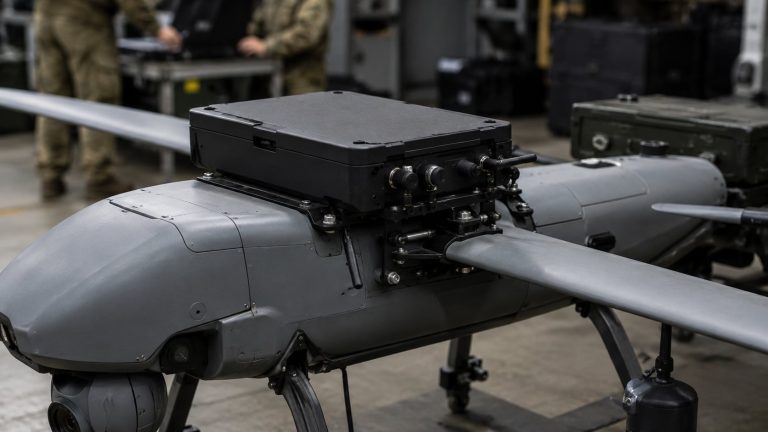
Britain’s decision to transfer the intellectual property behind Stone Cloak gives Ukraine more than another electronic-warfare device: it creates the basis for domestic manufacture, faster battlefield adaptation and a more reciprocal defence-industrial partnership.
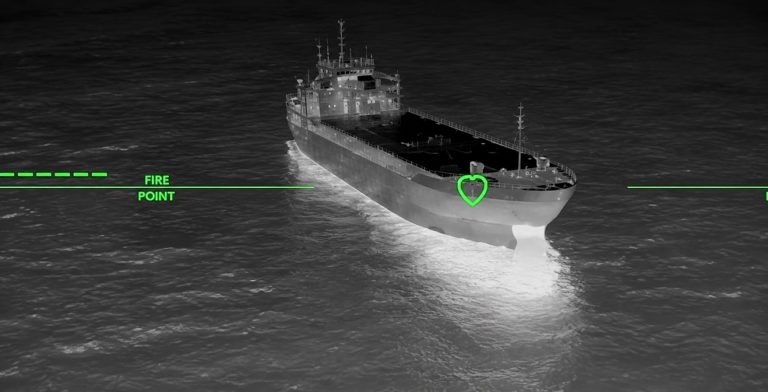
Kyiv says long-range drones hit two sanctioned cargo vessels, a Russian missile boat and an offshore oil platform. Iran has confirmed that one sailor was killed and has warned that the attack will receive a response. Ukraine has extended its…

Iran’s conditional halt has created room for diplomacy, but Washington’s diminishing target set and the opportunity cost of scarce interceptors help explain why an operational pause may now be more valuable than another night of strikes.
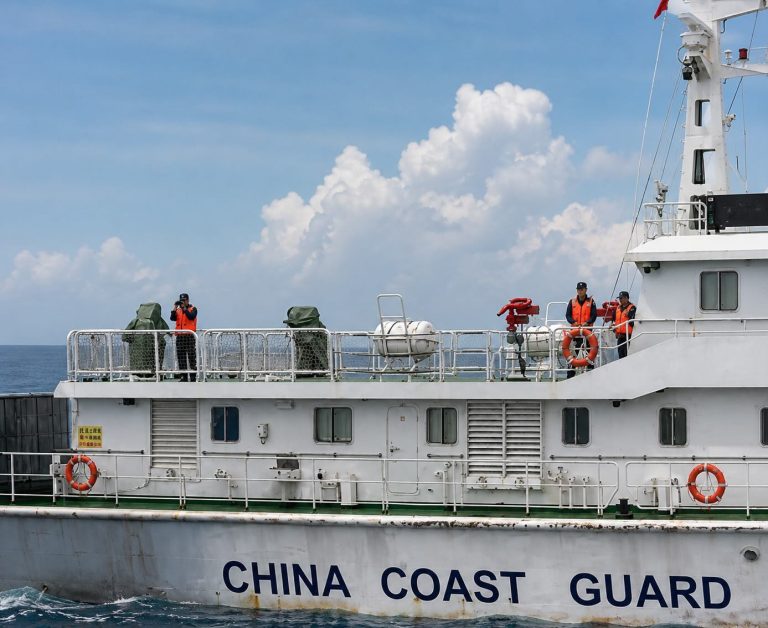
A five-day allied exercise has been followed by a Chinese naval and air patrol, linking coastguard confrontations to military signalling and increasing the need for both credible deterrence and reliable crisis control.
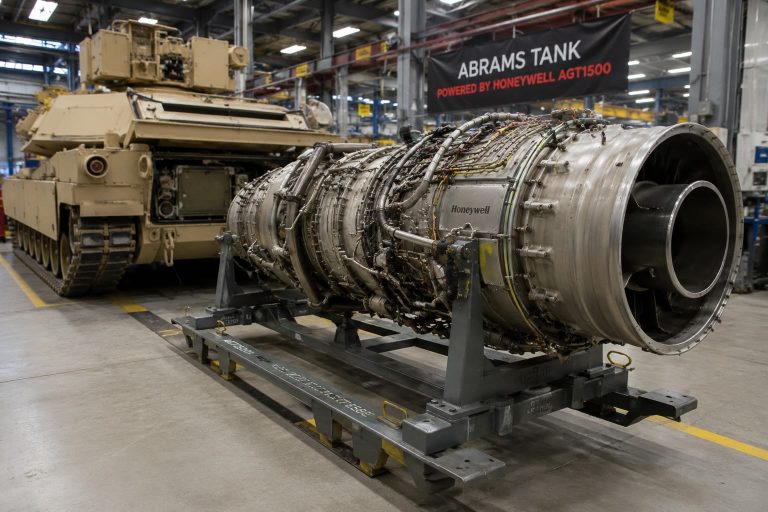
Large defence contractors have joined a record $4.1bn of military start-up funding rounds in 2026. The money offers access to faster innovation, but could also reproduce the procurement culture the newcomers were meant to challenge.

A Ukrainian intelligence claim that Russia is preparing to receive 30,000 additional North Korean personnel raises questions about their likely role, training and cost to Moscow.
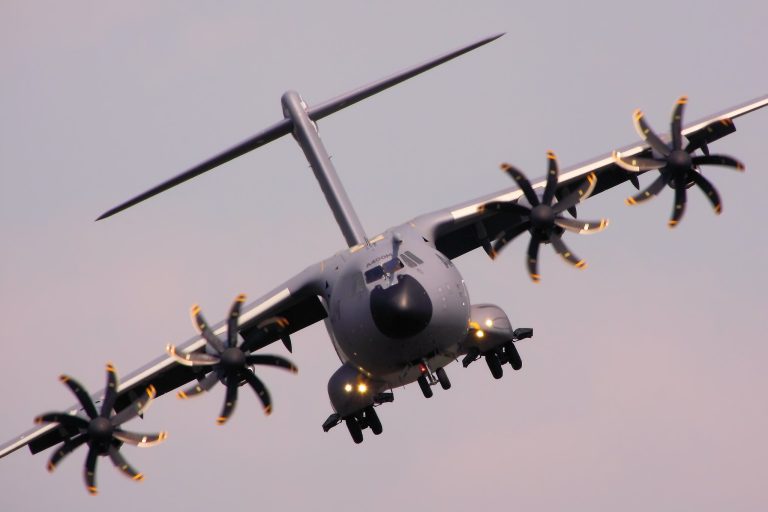
A 20-tonne retardant drop over the Gironde wildfire demonstrates the A400M’s civil-protection value, but also exposes the limits of borrowing scarce military airlift.

One of the European Union’s least visible security challenges is protecting its digital nervous system from some of the world’s most sophisticated intelligence services. Among the organisations that European security agencies and allied governments have repeatedly identified as a source of…
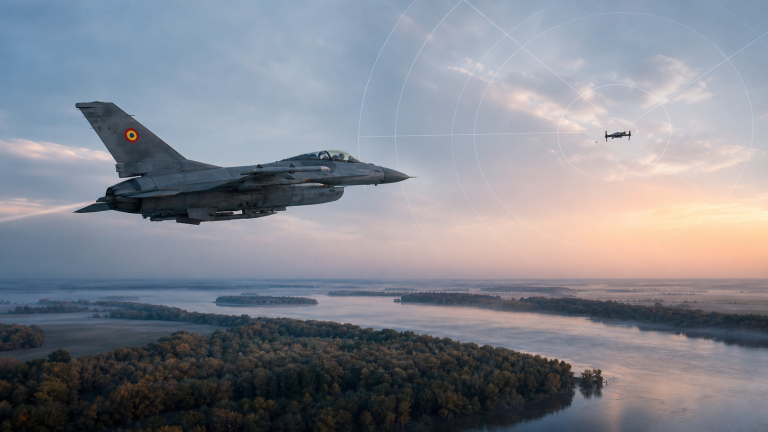
Two Romanian F-16 interceptions in two days move Bucharest from monitoring drone incursions to repeated kinetic air defence, raising questions about identification, proportionality and allied rules of engagement.
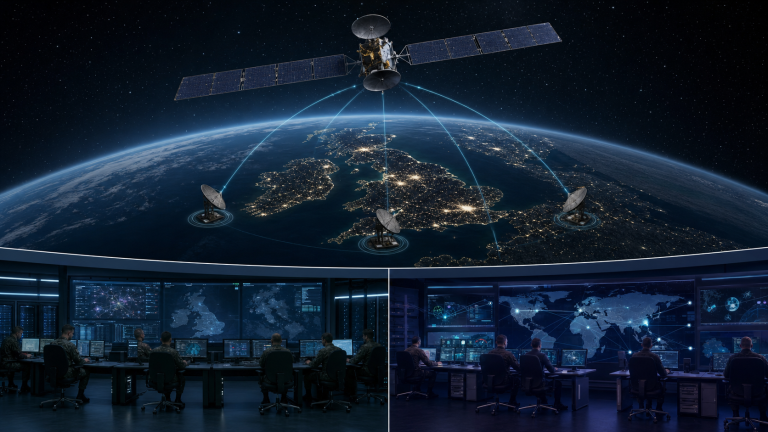
The Airbus–Lockheed Martin contest for Skynet 6 tests how Britain values domestic jobs, intellectual property and assured military communications against the benefits of deeper US integration.
