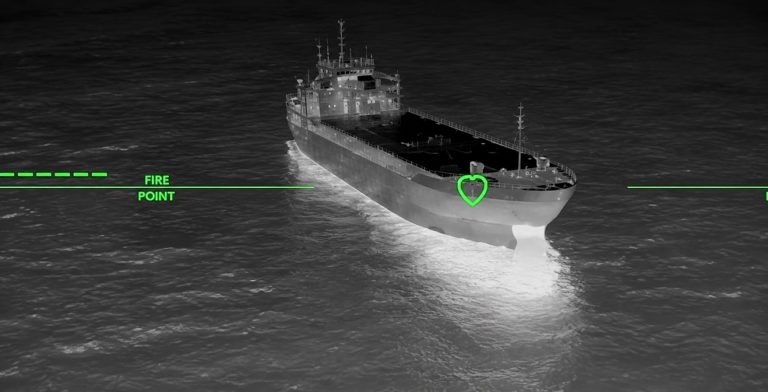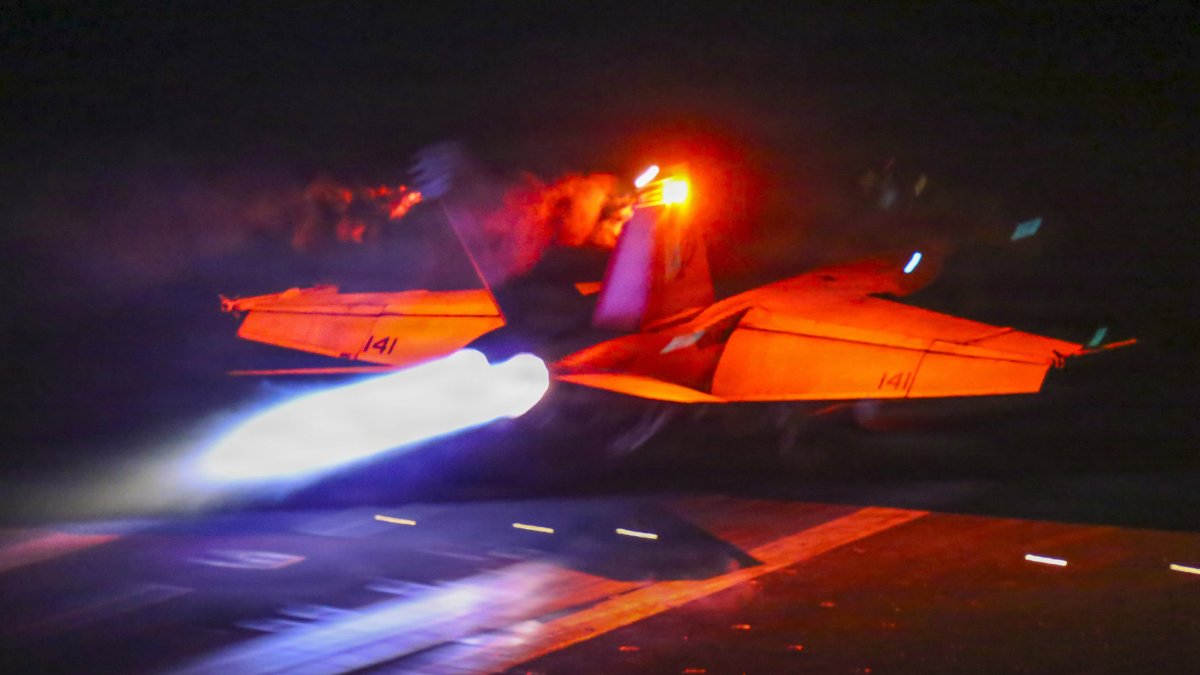
The report said the rapid drawdown has been particularly acute in long-range Tomahawk cruise missiles, one of the US military’s principal stand-off weapons. Citing calculations by the Centre for Strategic and International Studies, the FT said the US fired 168 Tomahawks in the first 100 hours of the campaign that began on 28 February. One source described that rate of expenditure as enormous, saying the US Navy would feel the effect for years.
The pace of consumption is significant because these weapons are expensive, complex and not easily replaced at short notice. The FT reported that only 322 Tomahawks had been procured over the previous five years, underlining the gap between peacetime acquisition rates and wartime use. Even where US officials insist that stockpiles remain adequate for current operations, the question is no longer simply whether the Pentagon can continue striking Iran, but how quickly it can rebuild inventories afterwards and what that means for wider deterrence.
The issue is already feeding into a broader debate in Washington over whether the Trump administration has opened a military campaign whose financial and industrial consequences were not fully thought through. Pentagon officials are expected to seek up to $50 billion in additional funding for military requirements linked to the conflict, according to the FT and earlier Reuters reporting. That request would come on top of the billions already spent in the opening phase of the war.
A classified briefing to lawmakers this week put the cost of the first six days of the war at more than $11.3 billion, with munitions accounting for the largest share of expenditure. Earlier estimates from CSIS placed the cost of the first 100 hours at $3.7 billion, or nearly $900 million a day. Those figures cover only the early phase of the campaign and do not fully account for the wider cost of deployments, resupply, maintenance and long-term replenishment.
The supplementary funding request is likely to run into political resistance on Capitol Hill. Democrats have repeatedly criticised President Donald Trump for launching military action without first seeking formal congressional authorisation. At the same time, some Republicans have raised concerns over both the scale of the spending and the absence of a clearly defined end point.
Among those voicing concern is Senator Lisa Murkowski, a Republican from Alaska, who has questioned how the US is managing its ammunition reserves. Her remarks are notable because Washington has for years told Ukraine and European allies that limits on US stockpiles constrained the volume and pace of further arms deliveries. The renewed focus on depleted inventories may therefore have implications well beyond the Middle East, particularly if the Pentagon is forced to prioritise between replenishing its own stocks, sustaining support for Ukraine, and maintaining readiness for a possible crisis in the Indo-Pacific.
The strategic concern is compounded by the character of the war itself. Analysts have noted that Iran has relied heavily on comparatively cheap drones and missiles, while the United States has often responded with far more expensive precision weapons. That cost imbalance has revived a familiar argument in US defence circles: modern high-end warfare can burn through advanced munitions much faster than the American industrial base can replace them.
Drones reshape the Gulf battlefield as Ukraine’s anti-Shahed expertise draws interest
The political risks for the White House are growing as the conflict drags on. The war has already disrupted global business, driven up energy prices and raised concerns over trade routes and supply chains. Some of Trump’s advisers want the campaign wound down quickly, fearing that a prolonged conflict, combined with higher oil and petrol prices, could create a domestic backlash in an election year.
Trump himself has offered mixed public messages. On 11 March he said the war could end soon, while also continuing to describe the campaign in dismissive or abbreviated terms. That contrast between confident rhetoric and mounting costs is becoming harder to sustain as Congress, defence officials and markets begin to focus less on the opening strikes and more on what comes next: how long the war lasts, how much it will cost, and whether the United States can afford to keep spending precision weapons at this rate.