

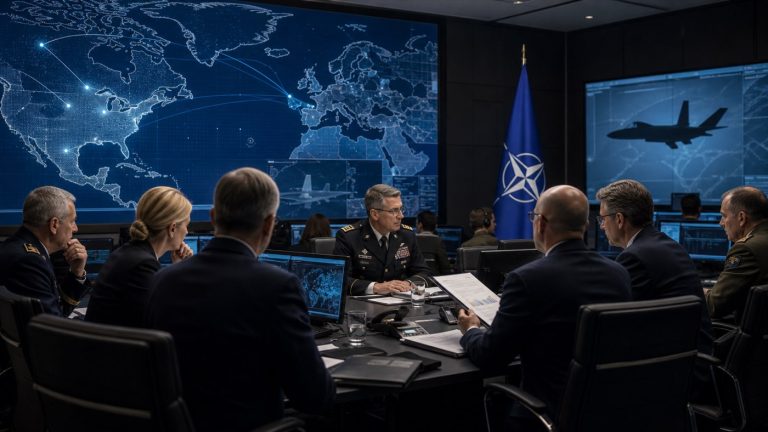
NATO’s Nuclear Planning Group has agreed to modernise the alliance’s nuclear capabilities and strengthen planning capacity, moving deterrence policy from reassurance language into practical adaptation as Russia pressure and US burden-sharing demands converge. NATO’s decision to modernise its nuclear capabilities…
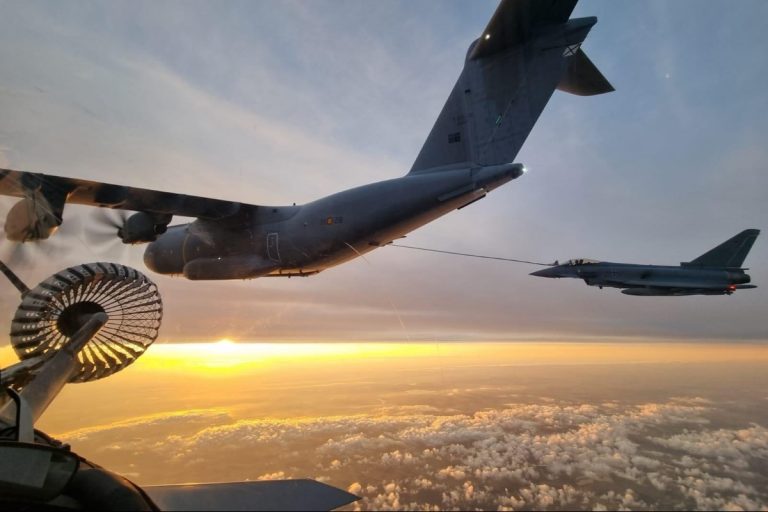
Washington’s call for a tougher “NATO 3.0” is not only a spending demand. It forces European allies to plan for crises in which US aircraft, carriers, tankers and command assets may no longer be available by default. The United States’…
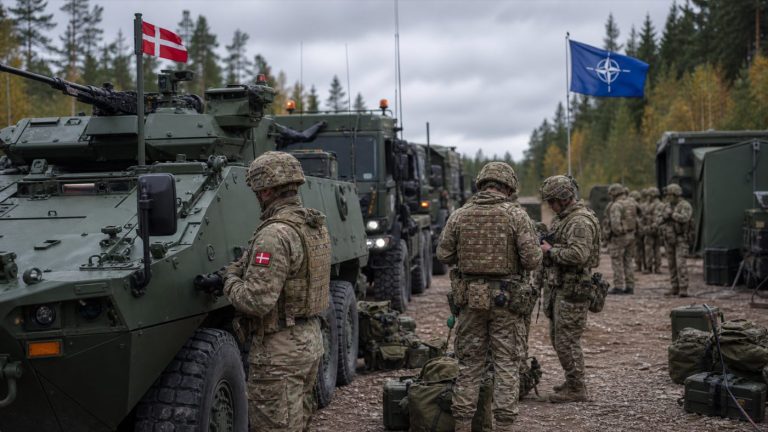
Denmark’s plan to send an 850-strong battalion to Latvia in autumn shows NATO’s Baltic deterrence becoming more concrete, as European allies translate eastern-flank commitments into scheduled troop rotations. Denmark’s decision to deploy an 850-strong battalion to Latvia in the autumn…
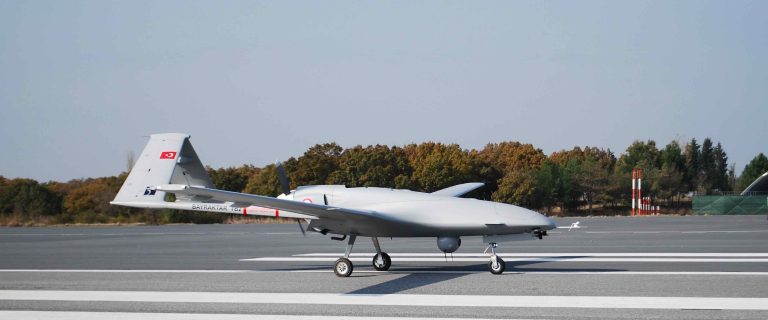
Rome’s conditional approval of the Leonardo–Baykar drone joint venture shows how Europe’s push to expand unmanned-aircraft production is being shaped by national-security controls. Italy has conditionally approved a joint venture between Leonardo and Turkey’s Baykar to produce unmanned aerial vehicles,…
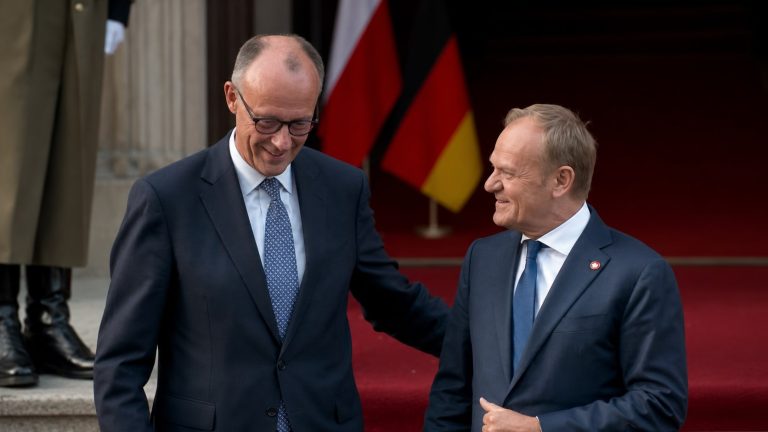
Germany and Poland’s new defence agreement is more than bilateral housekeeping: it signals that Europe’s security centre is shifting east, where military mobility, Baltic Sea security and Russia deterrence now converge. Germany and Poland’s new defence agreement marks a practical…
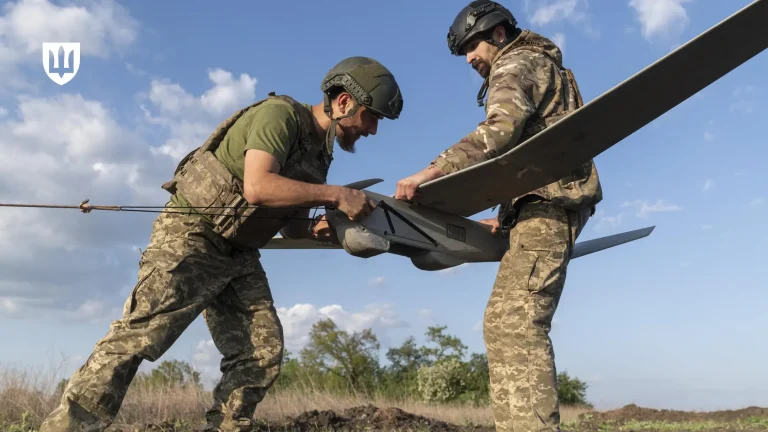
Ukraine’s expanding fleet of mid-range strike drones is changing the economics of deep fires, taking on some missions that scarce missiles and rocket artillery cannot sustain at scale. Ukraine’s newest mid-range attack drones are beginning to fill a battlefield role…
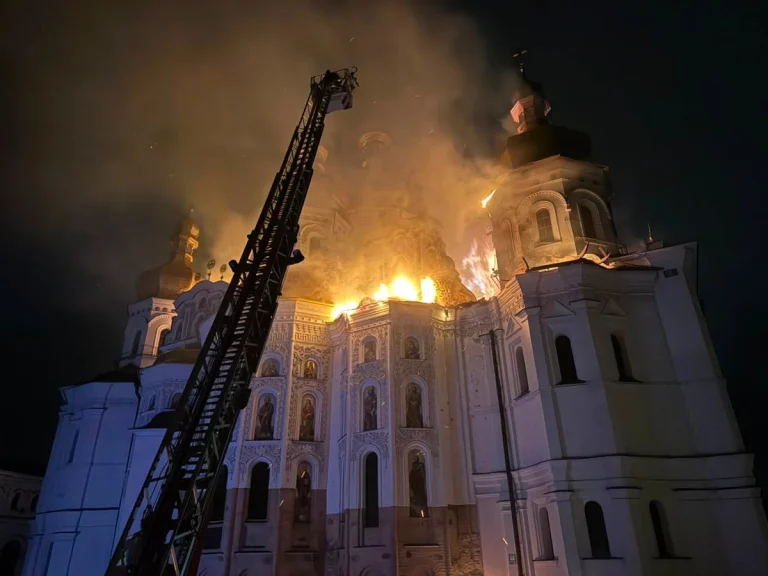
Russia’s latest missile and drone attack on Ukraine again forced Poland to activate aircraft, underlining the recurring air-defence burden carried by NATO states on the Alliance’s eastern border.
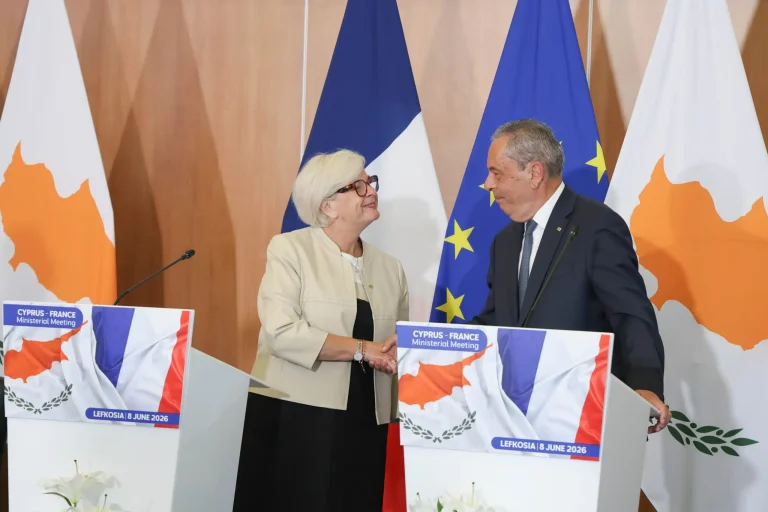
Turkey’s warning over the France-Cyprus defence agreement has moved the security of the island into a wider confrontation involving Ankara, Paris, Nicosia, Athens, Israel, Iran and the United States. President Recep Tayyip Erdoğan said Turkey would give a “very clear”…
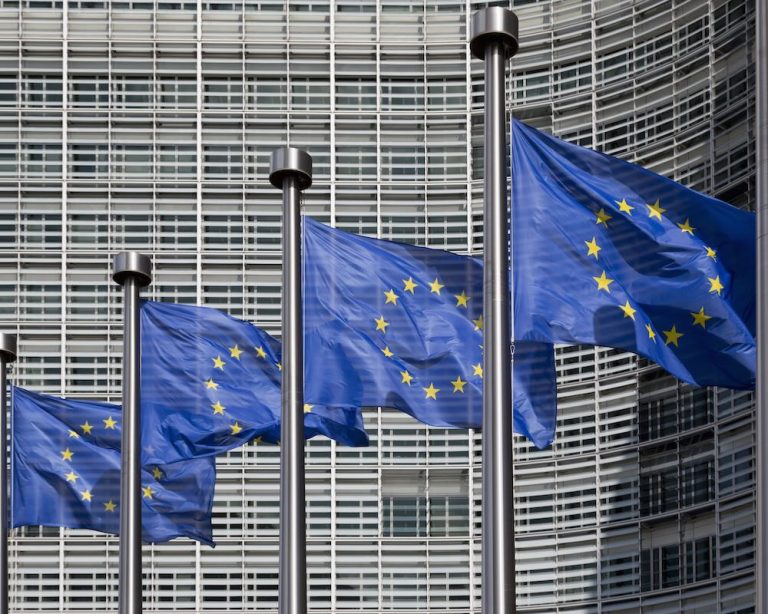
The European Union has reached a provisional agreement to simplify defence procurement and speed up approval procedures for military-related projects, in a move intended to address one of the most persistent obstacles to Europe’s rearmament: the time it takes to…
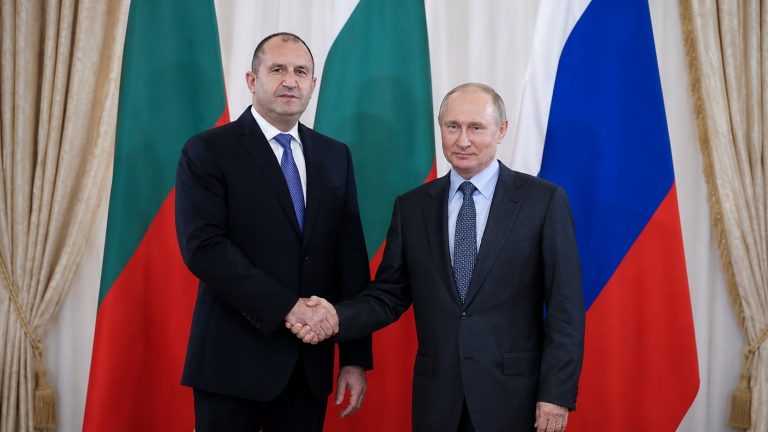
Sofia’s decision to halt arms supplies to Kyiv is not simply a national policy adjustment. It raises questions about EU cohesion, NATO reliability, defence-industrial planning, and the durability of long-term security commitments in wartime. Bulgaria’s announcement that it will stop…
