

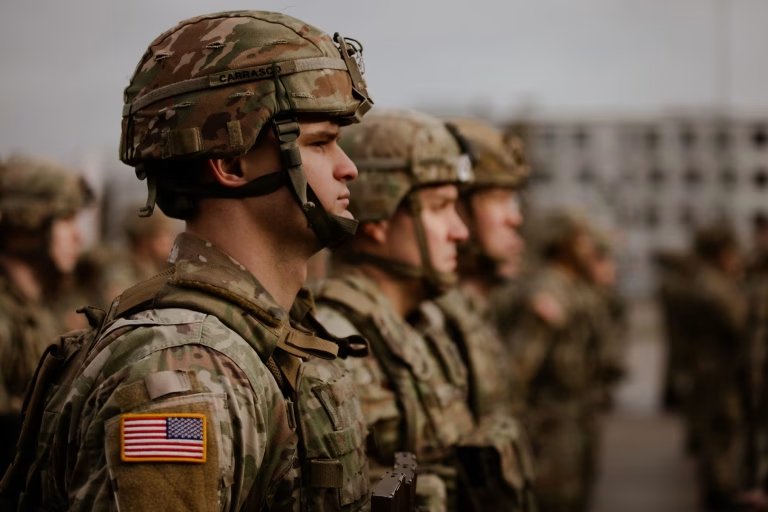
Washington’s six-month assessment could reshape American troop numbers, bases and strategic capabilities across Europe, testing whether European allies can assume greater responsibility without creating gaps in NATO’s deterrence. The Pentagon has formally begun a review of the United States’ military…

If Moscow has supplied Tehran with satellite intelligence on US military facilities, Washington may face an uncomfortable question: how should it respond when a strategic adversary operates through an increasingly capable partner? Claims that Russia has supplied Iran with satellite…

Ukraine expects to produce six to seven million FPV drones this year. The Pentagon is still trying to create a much smaller American market while excluding the Chinese components on which cheap systems depend.

A January deadline is meant to drive China, Russia, Iran and North Korea out of US defence supply chains, but the domestic capacity needed to replace them remains far from sufficient.
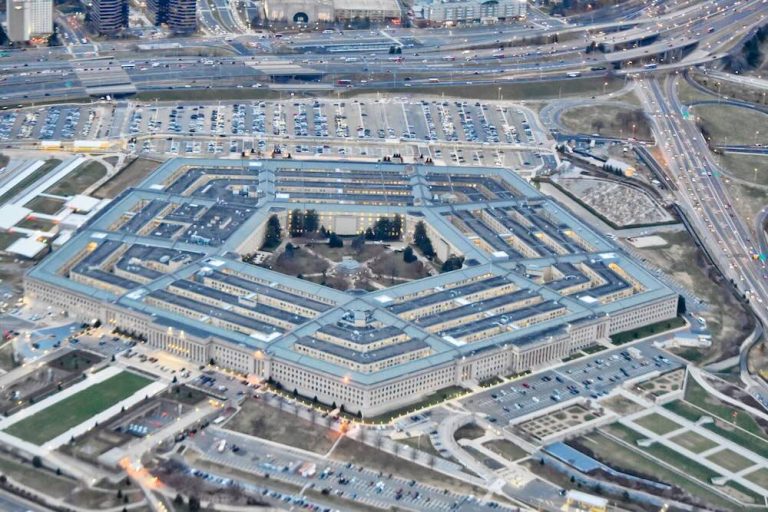
The Pentagon’s review moves NATO burden-sharing from speeches and spending targets to the harder question of which American forces, bases and specialist capabilities will remain in Europe.

Iran’s conditional halt has created room for diplomacy, but Washington’s diminishing target set and the opportunity cost of scarce interceptors help explain why an operational pause may now be more valuable than another night of strikes.
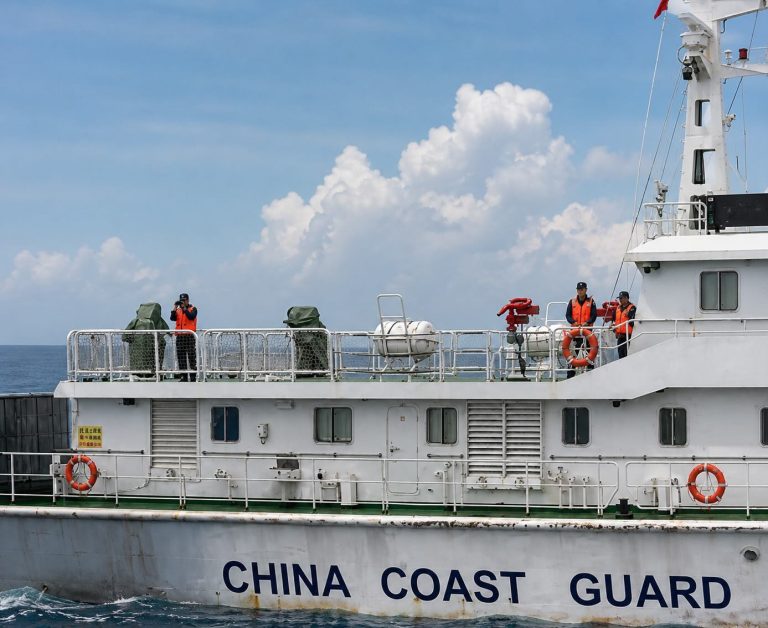
A five-day allied exercise has been followed by a Chinese naval and air patrol, linking coastguard confrontations to military signalling and increasing the need for both credible deterrence and reliable crisis control.
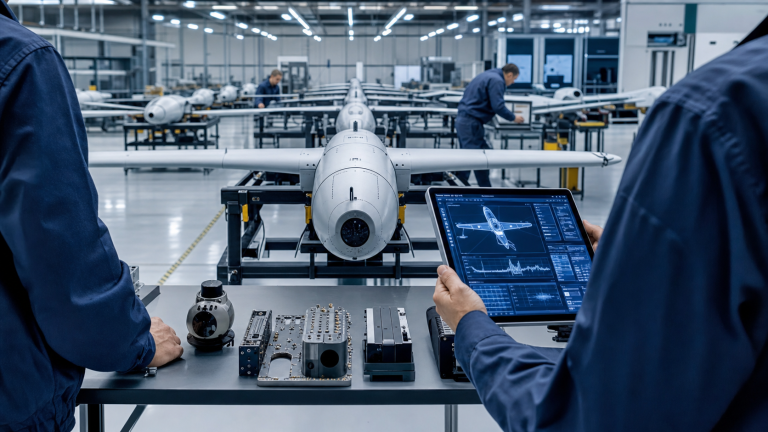
Proposed US production lines using Ukrainian drone technology could protect capacity and shorten Pentagon learning cycles, but intellectual property, procurement guarantees and Ukrainian access to output remain unresolved.

European governments increasingly want maintenance, software access and manufacturing authority alongside US weapons, forcing American suppliers to localise production without surrendering their most sensitive technology.
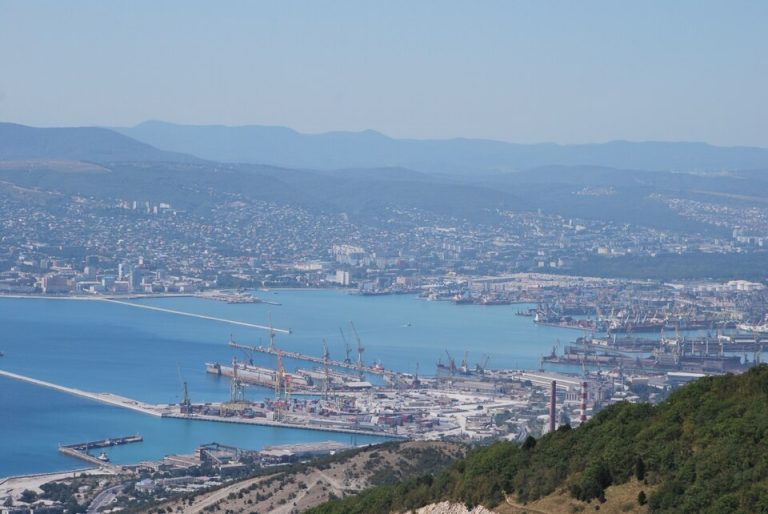
The reported request to avoid non-Russian tankers highlights the operational and political risks of conducting a maritime interdiction campaign in waters used by Russian, Kazakh and Western commercial interests. The Trump administration has reportedly warned Ukraine against striking non-Russian shipments…

