

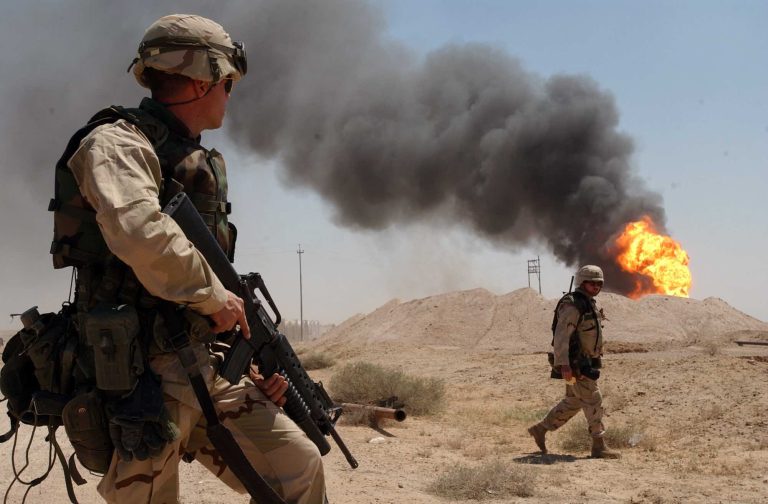
A possible requirement for some Middle East personnel to surrender personal phones reflects how ordinary videos, metadata and social posts can expose military operations.

Record revenue and orders show the force of European defence demand, while negative operating cash flow exposes the strain of turning budgets into deliveries.
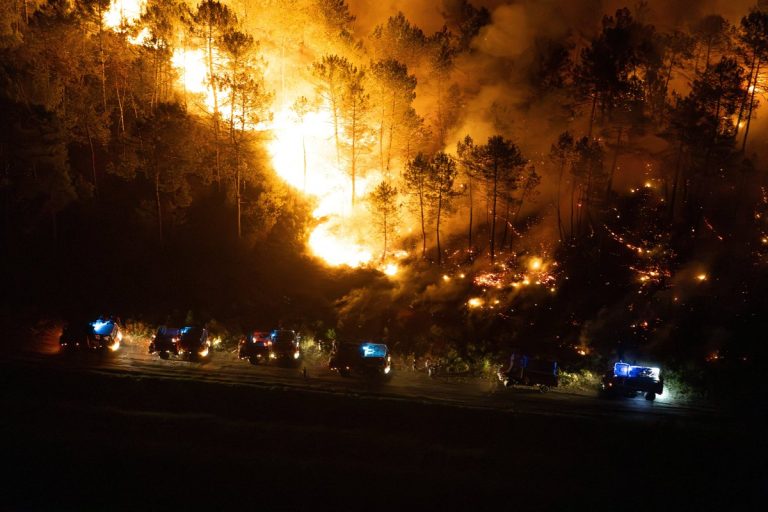
Fires west of Bordeaux have reached a region containing Rafale assembly, strategic-missile propulsion, rocket-motor plants and military test sites, exposing the geographical concentration of French defence production.

A reported Iranian order for 300–400 Chinese QW-12 and FN-16 shoulder-launched missiles would not replace destroyed long-range systems, but it could rapidly distribute risk across hundreds of low-altitude firing positions.

The Pentagon says $400 million authorised by Congress will be obligated this year but may not produce final deliveries until 2029, sharpening the divide between appropriations and battlefield supply.

Washington’s six-month assessment could reshape American troop numbers, bases and strategic capabilities across Europe, testing whether European allies can assume greater responsibility without creating gaps in NATO’s deterrence. The Pentagon has formally begun a review of the United States’ military…
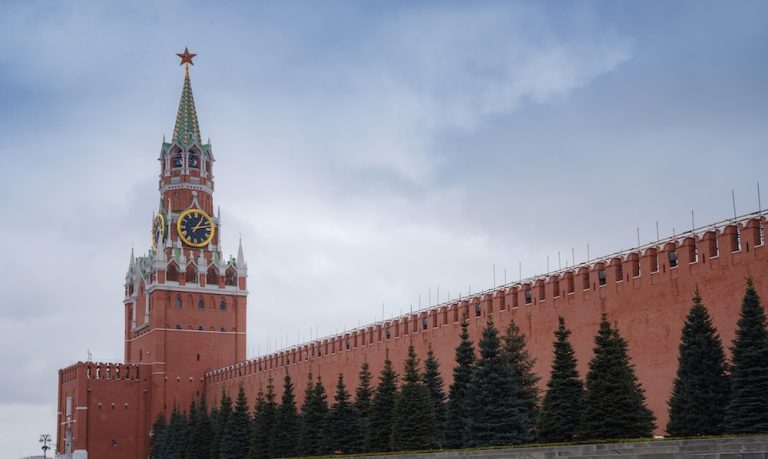
South Africa’s government has long insisted that its relationship with Russia is an expression of strategic independence. Pretoria calls it non-alignment. It presents its diplomacy as a refusal to be drawn into great-power blocs and argues that the West…

Taiwan’s Han Kuang exercise is moving beyond battlefield manoeuvres to test whether weapons production, communications and maritime support can survive the opening phase of a Chinese attack.
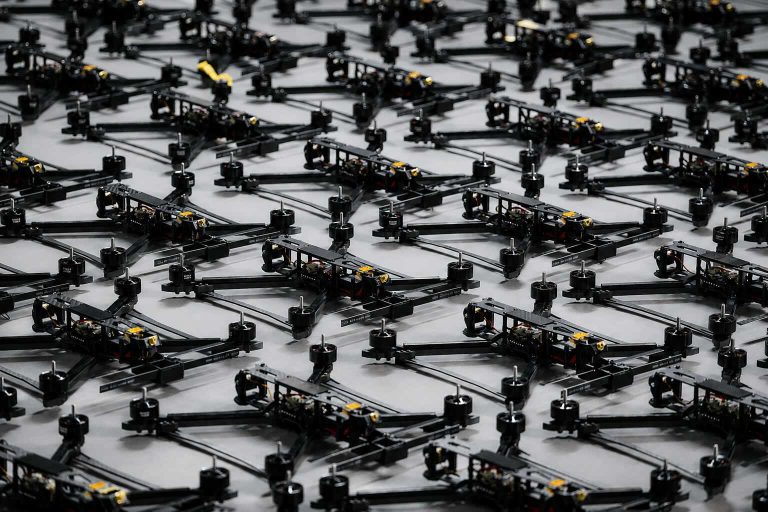
Ukraine expects to produce six to seven million FPV drones this year. The Pentagon is still trying to create a much smaller American market while excluding the Chinese components on which cheap systems depend.

A January deadline is meant to drive China, Russia, Iran and North Korea out of US defence supply chains, but the domestic capacity needed to replace them remains far from sufficient.

