

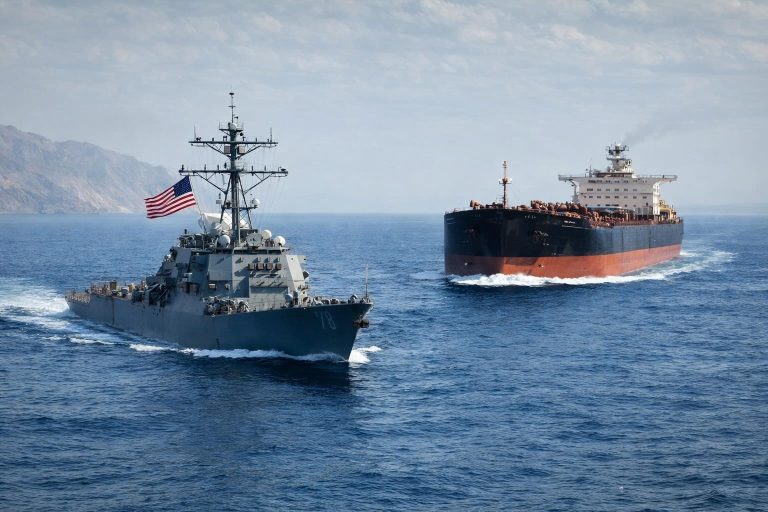
Washington has ordered a naval blockade of shipping to and from Iranian ports from 13 April, in a move that sharpens military pressure on Tehran while raising immediate risks for Gulf maritime security and energy flows through the Strait of…
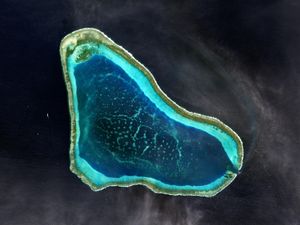
The latest round of joint naval exercises in the South China Sea, involving the United States, Australia and the Philippines, offers a revealing snapshot of a region where strategic signalling is becoming as important as military capability. Conducted over four…
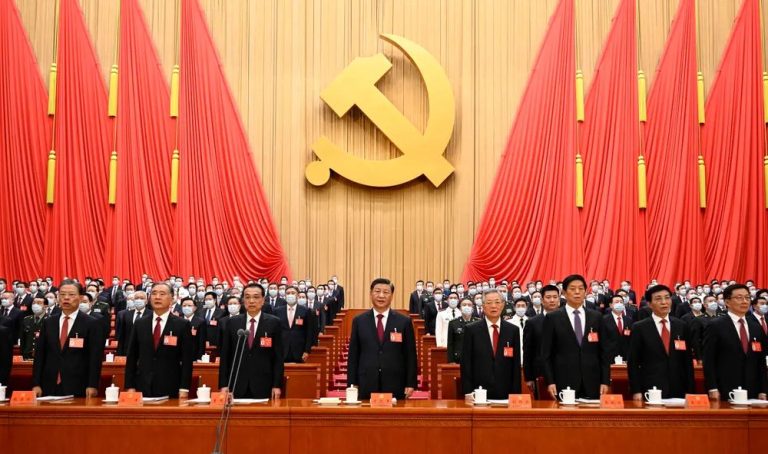
The reports emerging from Washington this week are, on the face of it, fragmentary and hedged with caveats. Yet even in their ambiguity they point to something far more consequential than the mere movement of weapons. According to intelligence assessments…
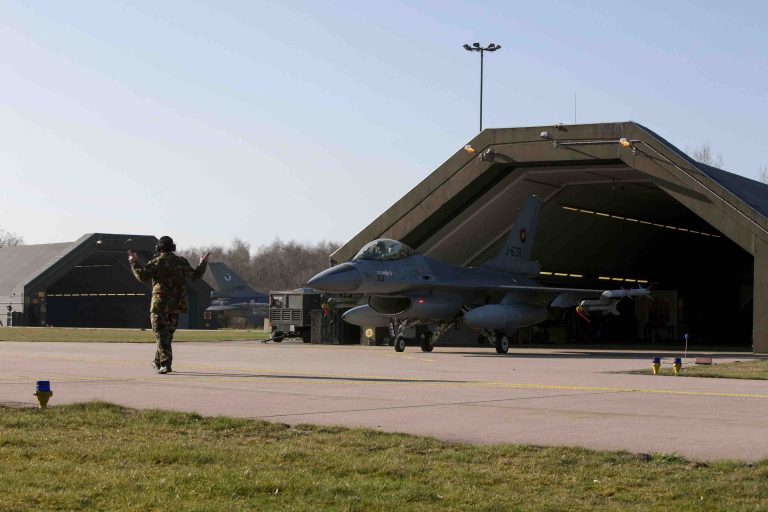
Europe’s aviation sector is staring at a jet fuel crisis that extends far beyond delayed holidays and cancelled city breaks. A warning from Airports Council International (ACI) Europe, reported by Reuters, that the continent could face a “systemic” jet fuel…

Britain’s defence industrial base has long been characterised by its ability to innovate under pressure. Yet in recent years, the pace of modern conflict—particularly the proliferation of low-cost drones—has exposed a pressing need for faster, more agile procurement. The Government’s…
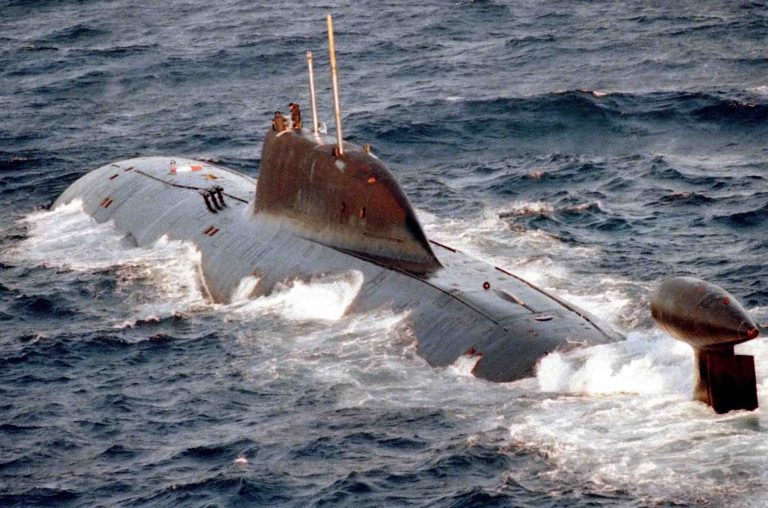
Britain has disclosed a previously covert naval operation in the High North and around wider UK waters, saying Royal Navy and RAF assets tracked an Akula-class Russian submarine and two specialist deep-sea units before the vessels withdrew. Britain has publicly…
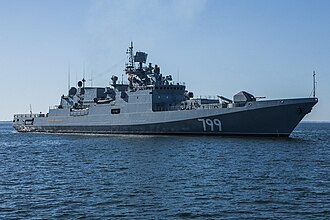
A Russian warship’s escort of two sanctioned tankers through the English Channel has exposed the practical limits of Britain’s newly announced power to board shadow fleet vessels in UK waters, turning a recent sanctions measure into an immediate operational question.…
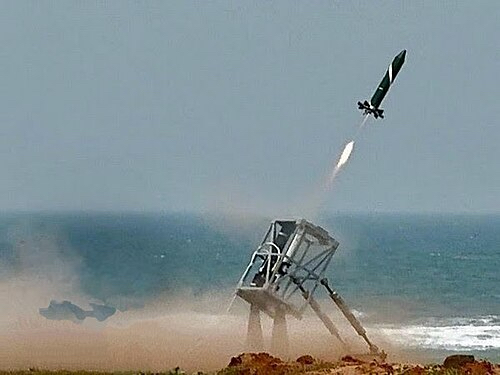
Finland will apply for €35 million in EU funding to procure drone detection and counter-drone systems for its eastern border and the Gulf of Finland, in a move linking national border security more directly to the EU’s wider response to…
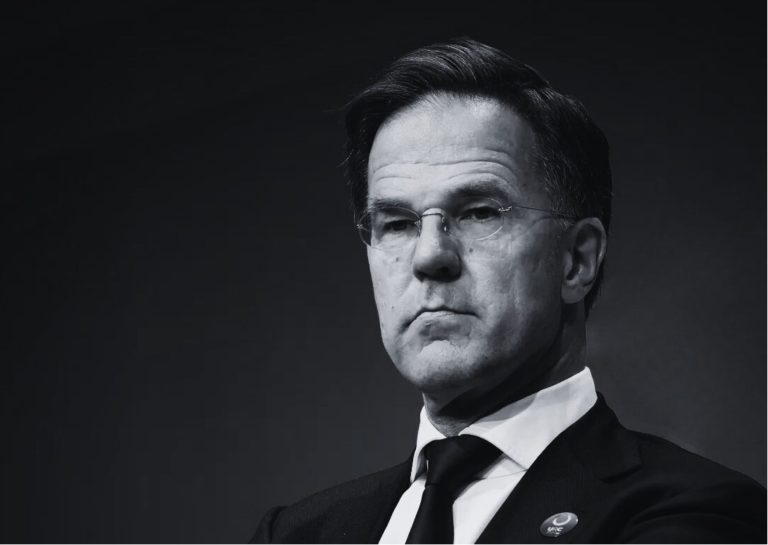
NATO Secretary General Mark Rutte used a Washington speech on 9th April to argue that allied defence planning now points towards spending equivalent to 3.5 per cent of GDP on core military requirements and 1.5 per cent on broader defence-related…

Mark Rutte sought to calm tensions after a difficult White House meeting with Donald Trump, as fresh doubts emerged over US commitment to NATO, allied support during the Iran crisis, and the future of American military presence in Europe. NATO…

