

Diplomatic statements delivered in Vienna rarely dominate newspaper front pages. Yet they often reveal where governments believe the battle of ideas is being fought. Britain’s latest intervention at the Organisation for Security and Co-operation in Europe (OSCE) was one such…
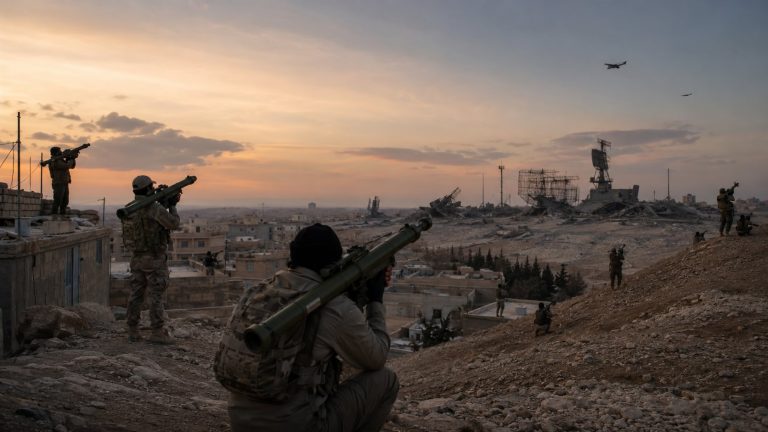
A reported Iranian order for 300–400 Chinese QW-12 and FN-16 shoulder-launched missiles would not replace destroyed long-range systems, but it could rapidly distribute risk across hundreds of low-altitude firing positions.
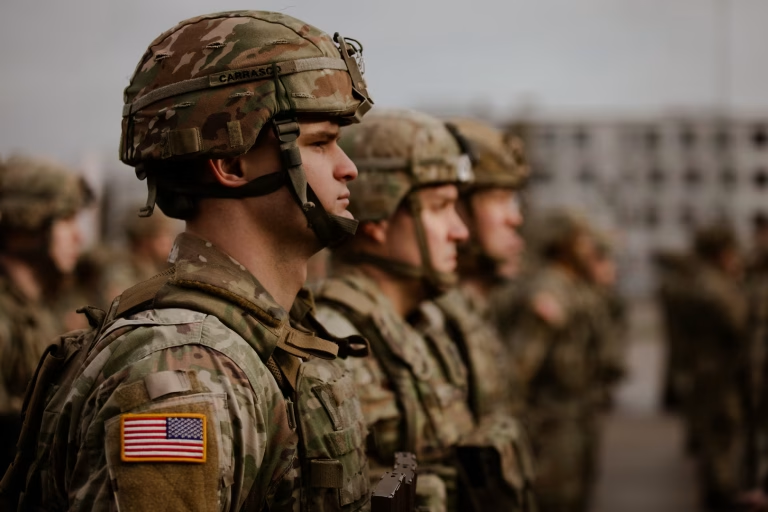
Washington’s six-month assessment could reshape American troop numbers, bases and strategic capabilities across Europe, testing whether European allies can assume greater responsibility without creating gaps in NATO’s deterrence. The Pentagon has formally begun a review of the United States’ military…
South Africa’s government has long insisted that its relationship with Russia is an expression of strategic independence. Pretoria calls it non-alignment. It presents its diplomacy as a refusal to be drawn into great-power blocs and argues that the West…
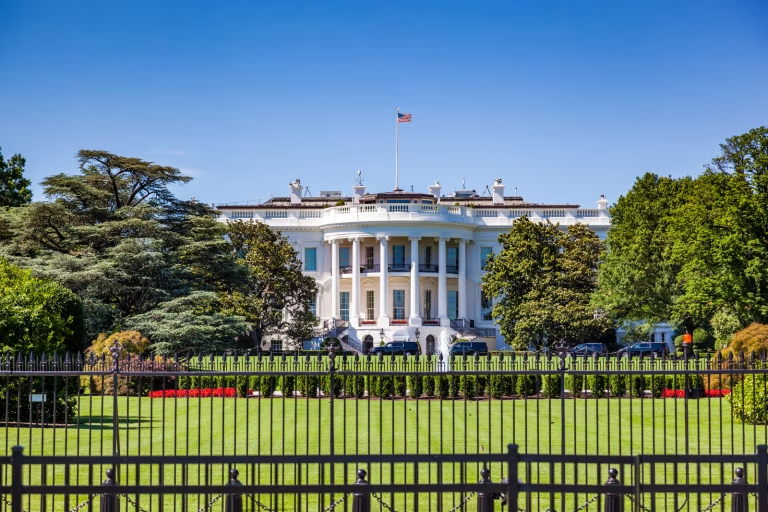
If Moscow has supplied Tehran with satellite intelligence on US military facilities, Washington may face an uncomfortable question: how should it respond when a strategic adversary operates through an increasingly capable partner? Claims that Russia has supplied Iran with satellite…
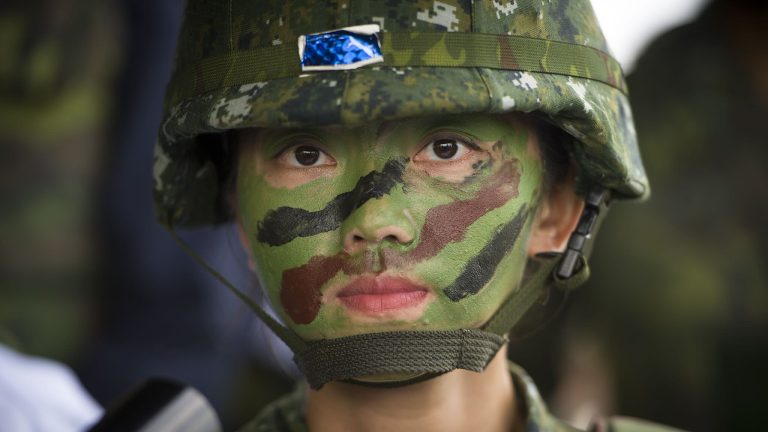
Taiwan’s Han Kuang exercise is moving beyond battlefield manoeuvres to test whether weapons production, communications and maritime support can survive the opening phase of a Chinese attack.
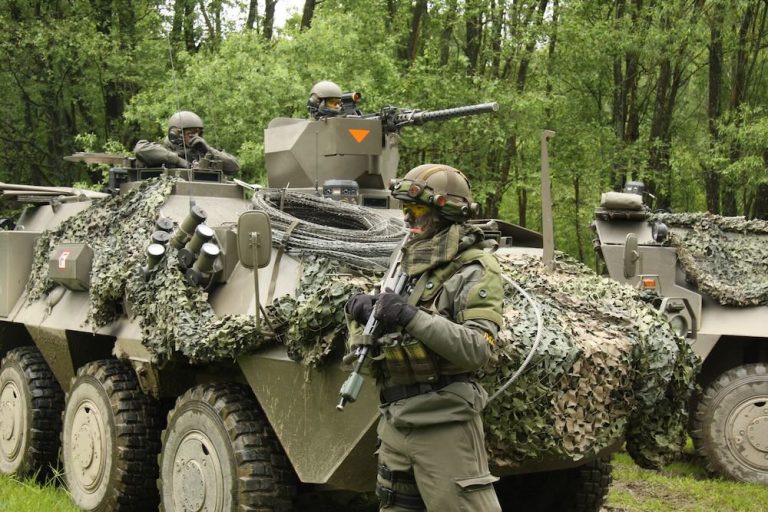
Austria’s coalition wants longer military service and compulsory reserve training, but the proposal will test whether parliamentary agreement can be converted into a larger usable force.
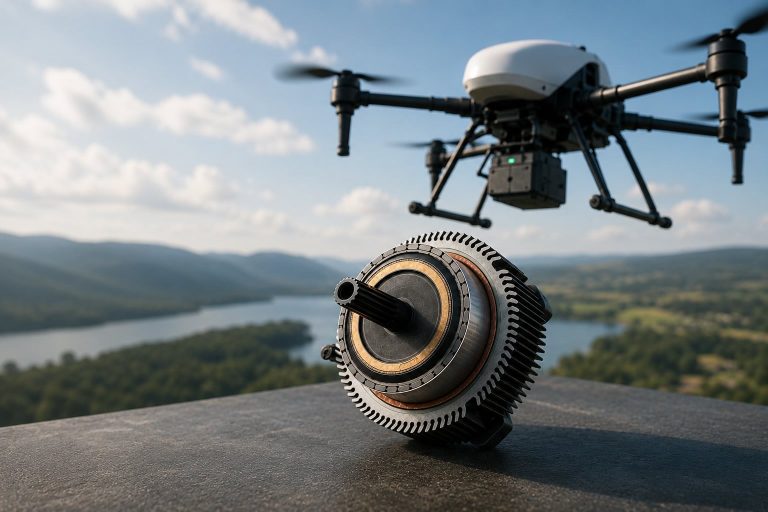
By Liam Bowman, Co-Founder and Chief Technology Officer, ETA Green Power

Iran’s conditional halt has created room for diplomacy, but Washington’s diminishing target set and the opportunity cost of scarce interceptors help explain why an operational pause may now be more valuable than another night of strikes.

A Ukrainian intelligence claim that Russia is preparing to receive 30,000 additional North Korean personnel raises questions about their likely role, training and cost to Moscow.

